
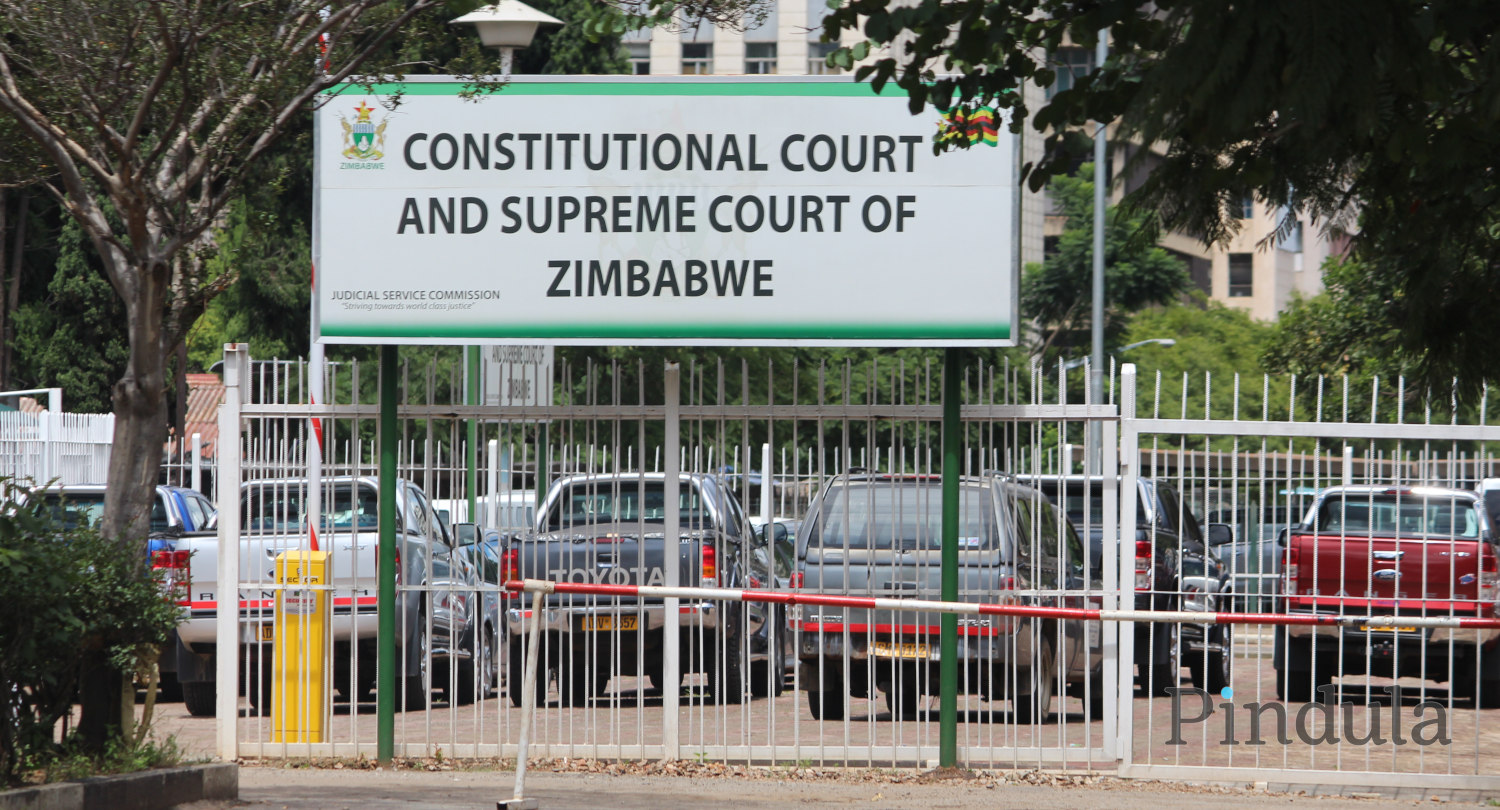
Zimbabwe Constitutional Court: CAB3 Postponement Announced
Summary
- The Constitutional Court of Zimbabwe postponed two challenges against the Constitution of Zimbabwe Amendment (No. 3) Act, 2026.
- The challenges were filed by the Movement for Democratic Change (MDC) and war veterans.
- The postponement occurred on Wednesday, November 25, due to requests for more time from both sides.
- This delay prolongs the period of legal uncertainty surrounding the constitutional amendments introduced by CAB3.
- The eventual ruling will significantly impact Zimbabwe's constitutional interpretation and legal frameworks.
Constitutional Challenges Delayed
The postponement of challenges to the Constitution of Zimbabwe Amendment (No. 3) Act, 2026 means that the legal certainty around these constitutional provisions remains unresolved.
The Constitutional Court of Zimbabwe recently announced the postponement of two significant legal challenges directed at the Constitution of Zimbabwe Amendment (No. 3) Act, 2026, commonly referred to as CAB3. This decision, rendered on Wednesday, November 25, means that the judicial review of this pivotal legislative amendment will not proceed as originally scheduled. The delay stems from requests for additional preparation time submitted by legal representatives for both the applicants and the respondents in the cases.
These challenges are particularly noteworthy as they originate from prominent political and civic entities within Zimbabwe. One of the applications was lodged by the Movement for Democratic Change (MDC), a major opposition party, indicating broad political concern over the implications of CAB3. Concurrently, a separate challenge was brought forth by war veterans, a group with considerable historical and political influence in the nation, underscoring the diverse opposition to the amendment.
Understanding CAB3 and its Legal Implications
The Constitution of Zimbabwe Amendment (No. 3) Act, 2026, is the subject of these contested proceedings. This legislative instrument introduces various changes to the nation's foundational legal document, prompting scrutiny from different sectors of Zimbabwean society. The specific provisions being challenged by the MDC and the war veterans were not detailed in the court's announcement, but their opposition suggests fundamental disagreements with the constitutional alterations.
Such amendments to the Constitution of Zimbabwe hold profound implications for the country's governance, human rights, and the balance of power among state institutions. The legal arguments presented in these challenges are expected to delve into the constitutionality of the amendment process itself, as well as the substantive impact of the changes on the existing legal framework. The outcome of these cases will undoubtedly shape the future interpretation of Zimbabwe constitutional law.
Unresolved Legal Certainty
The postponement of challenges to the Constitution of Zimbabwe Amendment (No. 3) Act, 2026 means that the legal certainty around these constitutional provisions remains unresolved. This delay leaves a period of continued ambiguity regarding the validity and enforceability of the amendments introduced by CAB3. For legal practitioners and their clients, this situation necessitates careful monitoring of the judicial process.
Lawyers should advise clients to closely monitor the new hearing date and subsequent rulings, as the outcome could significantly impact constitutional interpretation and legal frameworks in Zimbabwe. The eventual decision by the Constitutional Court will establish critical precedents, influencing future legislative actions and the rights and obligations of citizens and institutions alike. The Zimbabwe Constitutional Court CAB3 postponement thus extends a period of uncertainty that stakeholders will need to navigate with diligence.
Practical Implications
The postponement of challenges to the Constitution of Zimbabwe Amendment (No. 3) Act, 2026 means that the legal certainty around these constitutional provisions remains unresolved. Lawyers should advise clients to closely monitor the new hearing date and subsequent rulings, as the outcome could significantly impact constitutional interpretation and legal frameworks in Zimbabwe.
Source
Source: Original reporting via Zimeye
How does this affect you?
Get an AI analysis of this article grounded in your jurisdictions, practice areas, and any policy documents you've uploaded to Wansom.
Finish Reading the Full Story and the Expert Analysis.
Get the latest legal & regulatory intelligence in Zimbabwe
Wansom is AI and can make mistakes.