
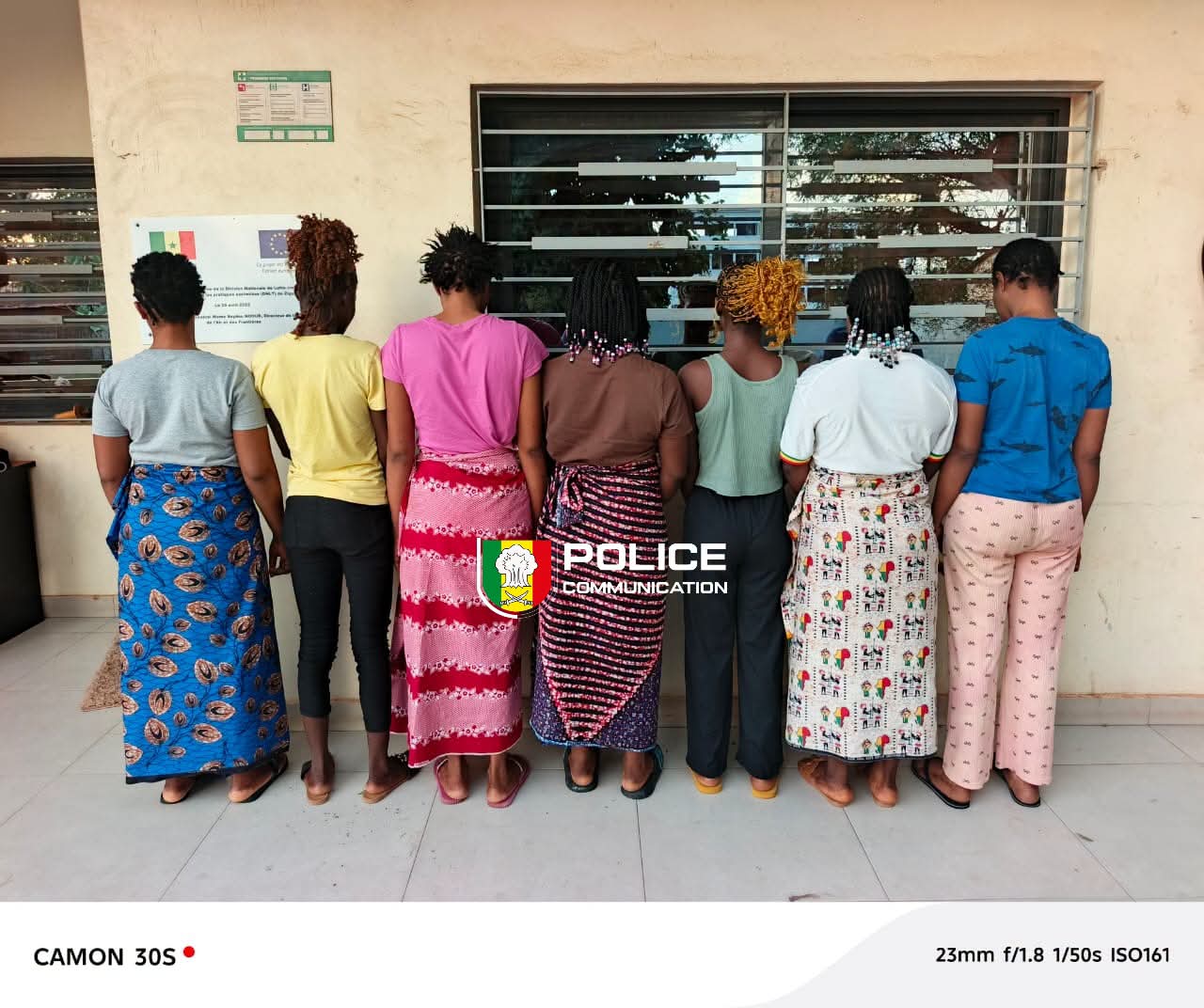
Ziguinchor: Deux Femmes Poursuivies Pour Traite de Mineures
Summary
- Fatu Fofanah and Testimony Blessing were referred to the Ziguinchor prosecutor's office for alleged sexual exploitation of foreign women.
- Seven victims, some as young as 14, were discovered in Kandialang, having been lured by false job promises from Sierra Leone and Guinea-Bissau.
- The accused allegedly imposed a 1,500,000 CFA franc debt on victims, confiscated their documents, and used occult practices for control.
- Charges include human trafficking for sexual exploitation, pimping, extortion, forgery, and complicity in rape.
- The regional anti-trafficking division referred the case on September 15, 2026, after the suspects admitted to recruiting and housing girls for exploitation.
Uncovering a Transnational Exploitation Ring in Ziguinchor
The prosecution of Fatu Fofanah and Testimony Blessing for their alleged roles in this extensive network of sexual exploitation in Ziguinchor sends a clear message regarding the severe legal consequences for those involved in such crimes.
Two women, Fatu Fofanah, a Sierra Leonean national also known as Loveta, and Testimony Blessing, identified as Nigerian, have been referred to the prosecutor's office in Ziguinchor, Sénégal, following an extensive investigation into the sexual exploitation of young foreign women. This action marks a significant step in addressing a complex case of human trafficking. The inquiry led to the discovery of seven female nationals from the West African sub-region residing in an apartment in Kandialang, with some victims reportedly as young as 14 years old.
Mechanisms of Control and Severe Exploitation
The alleged perpetrators employed various methods to maintain control over their victims. Each young woman was reportedly burdened with a substantial debt of 1,500,000 CFA francs, which they were forced to repay by surrendering their daily earnings to the recruiters. Further restricting their freedom, the victims' identity documents and mobile phones were confiscated. Investigators also uncovered allegations that some health records had been tampered with to falsify the victims' ages, presenting minors as adults.
Beyond financial and physical control, the case also involved deeply coercive and disturbing practices. Reports indicate the use of occult rituals, specifically filming the cutting of pubic hair, as a means to exert psychological pressure and ensure compliance from the young women. One particularly harrowing account detailed a victim recruited at the age of 14 in Sierra Leone. After a forged document falsely declared her an adult, she was subjected to violent sexual acts in a bar in Canchungo, Guinea-Bissau, before being subsequently transferred to Ziguinchor, where her exploitation continued.
Legal Charges and Admissions
Fatu Fofanah and Testimony Blessing now face a litany of serious charges stemming from their alleged involvement in this exploitation ring. The accusations include criminal conspiracy, pimping, extortion, human trafficking for the purpose of sexual exploitation, forgery and the use of forged administrative documents, and complicity in rape. During the investigation, both suspects reportedly admitted to recruiting some of the young girls and providing them with accommodation specifically for sexual exploitation.
The referral of the two accused to the Ziguinchor prosecutor's office occurred on September 15, 2026. This action was undertaken by the regional branch of the National Division for Combating Migrant Trafficking and Related Practices, underscoring the commitment of Senegalese authorities to address such grave offenses. The legal process is now set to determine their culpability in this extensive case of human exploitation.
Senegal's Stance Against Transnational Trafficking
This case, involving two women pursued for the trafficking of minors in Ziguinchor, underscores Senegal's robust enforcement efforts against transnational networks engaged in human exploitation. The detailed investigation and the array of charges brought against the accused demonstrate a comprehensive approach to combating organized crime that preys on vulnerable individuals across borders. The alleged use of document fraud, false promises, and coercive practices highlights the sophisticated nature of such trafficking operations.
The prosecution of Fatu Fofanah and Testimony Blessing for their alleged roles in this extensive network of sexual exploitation in Ziguinchor sends a clear message regarding the severe legal consequences for those involved in such crimes. It reinforces the importance of vigilance against schemes that lure individuals with false promises of employment, only to subject them to forced labor and sexual servitude. This incident serves as a critical reminder of the ongoing fight against human trafficking and the need for continuous efforts to protect minors and other vulnerable populations from exploitation.
Practical Implications
This case demonstrates the robust enforcement of anti-human trafficking laws in Senegal, particularly concerning transnational networks exploiting minors. Lawyers and compliance officers should review their clients' recruitment and labor practices, especially those involving cross-border movements, to ensure strict compliance with anti-trafficking legislation and to mitigate risks associated with document fraud and exploitation.
Source
Source: Original reporting via EMedia
How does this affect you?
Get an AI analysis of this article grounded in your jurisdictions, practice areas, and any policy documents you've uploaded to Wansom.
Finish Reading the Full Story and the Expert Analysis.
Get the latest legal & regulatory intelligence in Senegal
Wansom is AI and can make mistakes.