
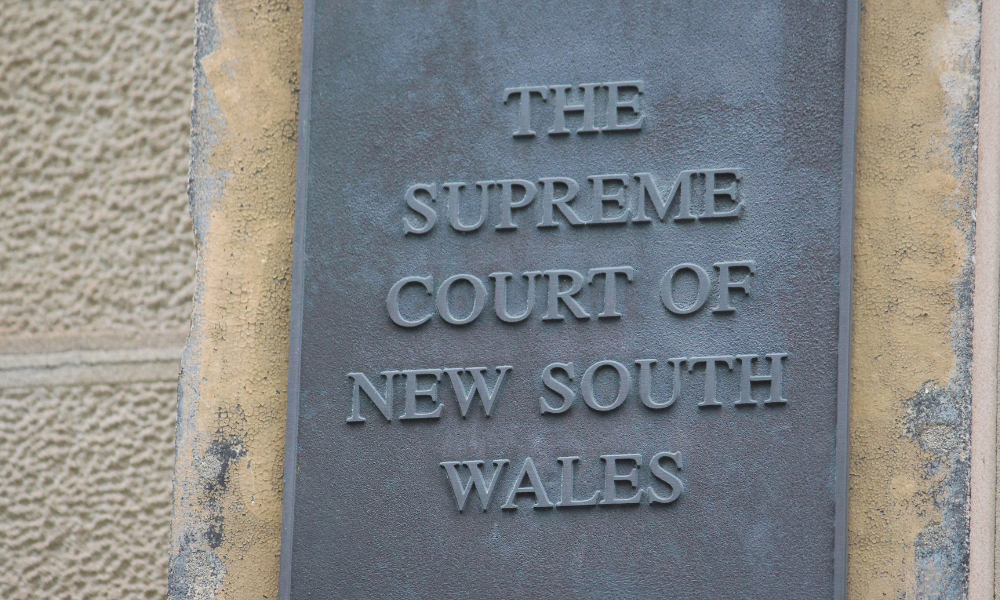
NSW Supreme Court: Zen Energy Super Senior Debt Priority Upheld
Summary
- The NSW Supreme Court ruled that Zen Energy needed only majority lender approval, not unanimous consent, to grant new, higher-ranking security.
- Old Treasury, a minority noteholder, challenged the new $66.1 million super senior debt, arguing it breached a negative pledge clause and required unanimous consent.
- The court found that accepting new security under existing deed terms did not constitute an "amendment" requiring unanimous consent for changes to "priority or order of payment."
- The court clarified that the relevant clause allowing new security with two-thirds approval was forward-looking, not limited to pre-drawdown approval.
- The court distinguishes this case from "uptier" transactions where existing debt is swapped for higher-ranking debt, as new money was provided here.
Background to the Dispute
The NSW Supreme Court's decision clarifies that merely exercising an existing contractual power, even if it alters the parties' relative positions, does not inherently constitute an amendment to the provision granting that power.
Zen Energy Pty Ltd, now in liquidation, found itself at the center of a significant legal challenge in the NSW Supreme Court concerning the priority of its super senior debt. The case, Old Treasury (Holdings) Pty Ltd v Zen Energy Pty Ltd (In Liquidation), heard on November 16, 2026, revolved around the company's decision to secure new financing. In October 2025, Zen Energy sought approval from its noteholders for a new super senior facility, which could amount to $66.1 million. This new debt was intended to rank ahead of existing noteholders.
The move was met with opposition from two noteholders, collectively known as Old Treasury, who had provided $4.5 million under Zen Energy's existing $160 million loan note facility. Old Treasury contended that any such arrangement required the unanimous consent of all noteholders. However, a substantial majority, representing 93.9 percent of the notes, ultimately consented to the new facility. Following this approval, a priority deed was executed, formally establishing the first-ranking status of the new security. Zen Energy subsequently entered voluntary administration in July 2026, leading to its liquidation in August of the same year, which intensified the dispute over debt priority.
The Core Legal Arguments
Old Treasury initiated legal proceedings, seeking declarations that the newly granted security breached a negative pledge clause within the 2023 loan note deed. This clause prohibited Zen Energy from granting competing security. Furthermore, Old Treasury argued that the new security could not legitimately take priority over their existing claims. Their argument hinged on a specific provision in the original deed, which mandated the consent of each affected lender for any amendment or waiver that altered "the priority or order of payment" against them. This implied that the creation of the super senior debt priority Australia required universal agreement.
The NSW Supreme Court, however, rejected Old Treasury's interpretation. The court determined that the act of accepting security, as permitted by the terms of the existing deed, did not constitute an amendment to the deed itself. It clarified that merely exercising an existing contractual power, even if it alters the parties' relative positions, does not inherently constitute an amendment to the provision granting that power. The court further clarified that the term "priority" within the contested clause referred specifically to the priority of payment, which it found had not been altered by the new arrangement. Instead, the first-ranking status of the new facility was established by the separate priority deed, not through an amendment to the original loan note deed.
Court's Interpretation and Broader Implications
A crucial aspect of the 2023 loan note deed was a clause that allowed for the creation of new security if Zen Energy or a guarantor disclosed it to lenders holding at least two-thirds of the debt, and those lenders subsequently accepted it. Old Treasury had argued that this exception was limited to security approved before the initial drawdown of the original facility. The court, however, found that this clause was forward-looking, requiring only that acceptance precede the actual creation of the security. The court noted that Old Treasury's interpretation would effectively render the ban on new security absolute after the first drawdown, which was not the intent. This interpretation is key for lender consent new security provisions.
The NSW Supreme Court majority lender approval ruling also drew a distinction from the "uptier" transactions seen in cases like the US In Re Serta Simmons Bedding LLC. Unlike Serta Simmons, where existing debt was swapped for higher-ranking debt, the lenders in the Zen Energy case provided new money. The court acknowledged that if a majority were to use such powers solely to gain priority over a minority, "questions of proper purpose would likely arise," indicating a potential limit to majority power.
Ultimately, the court would have refused Old Treasury's declarations on priority and the sharing of credit bid proceeds for additional reasons, including that the 2023 facility's security trustee, who held the security and signed the priority deed, was not challenged by Old Treasury. Furthermore, Old Treasury was not a party to the subscription agreements containing the sharing provisions it sought to enforce. The court ordered Old Treasury to cover the super senior security trustee's legal costs.
Practical Implications
This ruling clarifies that granting new, higher-ranking security with majority lender approval may not constitute an 'amendment' requiring unanimous consent, even if it impacts existing noteholders' priority. Lawyers advising on debt financing, restructuring, or insolvency in Australia must consider this precedent when drafting security documents and assessing the validity of new debt arrangements, particularly regarding negative pledge clauses and the scope of majority consent provisions.
Source
How does this affect you?
Get an AI analysis of this article grounded in your jurisdictions, practice areas, and any policy documents you've uploaded to Wansom.
Finish Reading the Full Story and the Expert Analysis.
Get the latest legal & regulatory intelligence in Australia
Wansom is AI and can make mistakes.