
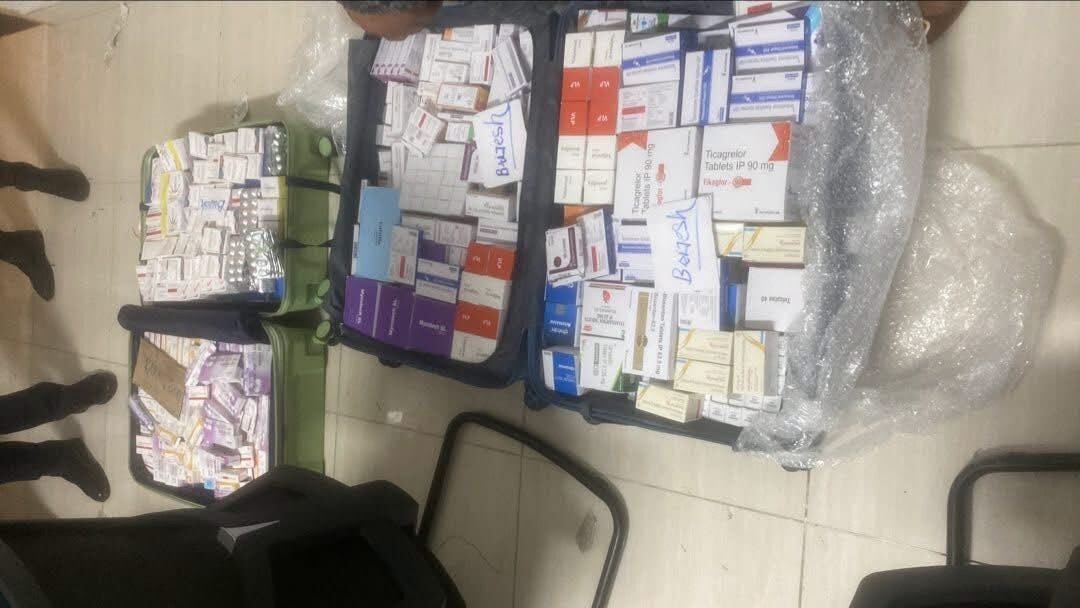
ZAMRA Arrests Unregistered Medicine Importation Zambia: 3 Nationals Held
Summary
- Three foreign nationals were apprehended at Kenneth Kaunda International Airport by ZAMRA and DEC.
- The arrests were made in connection with the illegal importation of unregistered medicines into Zambia.
- Among those apprehended were two Indian nationals, along with a third foreign individual.
- This incident signals heightened enforcement activity against non-compliant pharmaceutical imports in Zambia.
What Happened
The ZAMRA arrests unregistered medicine importation Zambia highlight the significant legal and operational risks faced by any entity, whether individuals or corporations, that fails to adhere to the country's strict regulatory framework.
Authorities in Zambia recently apprehended three foreign nationals at Kenneth Kaunda International Airport (KKIA) in connection with the unlawful importation of pharmaceutical products. The operation, a joint effort between the Zambia Medicines Regulatory Authority (ZAMRA) and the Drug Enforcement Commission (DEC), targeted individuals attempting to bring unregistered medicines into the country. This incident underscores ongoing efforts by Zambian agencies to control the entry of unauthorized pharmaceutical goods, reinforcing the nation's commitment to public health and safety.
The individuals taken into custody included two Indian nationals, alongside a third foreign individual whose nationality was not specified in the initial reports. Their apprehension at a major international entry point like KKIA highlights the vigilance of border control measures against the illicit trade of medical supplies. The core of the alleged offense revolves around the failure to register the imported medicines with the appropriate regulatory body, a critical step for ensuring public safety and product efficacy within Zambia and preventing the circulation of potentially harmful substances.
Regulatory Framework and Enforcement
The Zambia Medicines Regulatory Authority (ZAMRA) is the principal body tasked with regulating the manufacture, importation, exportation, distribution, and sale of medicines and allied substances in Zambia. A cornerstone of its mandate is the stringent requirement for all pharmaceutical products to be officially registered before they can be legally introduced or distributed within the nation's borders. This registration process involves a thorough evaluation of a product's safety, quality, and efficacy, serving as a vital safeguard for public health by ensuring that only approved and safe medications are accessible to the public.
The collaboration between ZAMRA and the Drug Enforcement Commission in this particular case demonstrates a concerted approach to Zambia Medicines Regulatory Authority enforcement. Such joint operations are crucial for addressing complex issues like illegal pharmaceutical import Zambia, which often involve transnational networks and sophisticated smuggling tactics. The seizure of unregistered drugs at Kenneth Kaunda Airport directly reflects the commitment to upholding Zambia pharmaceutical import regulations and preventing substandard or counterfeit medicines from reaching consumers, thereby protecting the integrity of the national healthcare system.
Significance for the Pharmaceutical Sector
This recent apprehension at Kenneth Kaunda International Airport sends a clear message regarding the heightened scrutiny of pharmaceutical imports in Zambia. The ZAMRA arrests unregistered medicine importation Zambia highlight the significant legal and operational risks faced by any entity, whether individuals or corporations, that fails to adhere to the country's strict regulatory framework. Non-compliance with medicine registration requirements can lead to severe penalties, including arrests, seizures of goods, substantial fines, and potential long-term damage to reputation and market access within the region.
For pharmaceutical companies, importers, and distributors operating within or looking to enter the Zambian market, this incident serves as a critical reminder of the imperative to ensure absolute compliance with all ZAMRA regulations. The proactive enforcement actions by authorities underscore an environment where unregistered pharmaceutical products will not be tolerated, emphasizing the need for robust internal compliance programs. Entities must meticulously review their supply chains and the registration statuses of all products to mitigate exposure to such enforcement activities, which are evidently becoming more frequent and robust across the country.
Practical Implications
Lawyers advising pharmaceutical companies, importers, or distributors in Zambia should immediately review their clients' compliance with ZAMRA's medicine registration requirements. This incident signals heightened enforcement activity against unregistered pharmaceutical products, posing significant legal and reputational risks for non-compliant entities.
Source
How does this affect you?
Get an AI analysis of this article grounded in your jurisdictions, practice areas, and any policy documents you've uploaded to Wansom.
Finish Reading the Full Story and the Expert Analysis.
Get the latest legal & regulatory intelligence in Zambia
Wansom is AI and can make mistakes.