
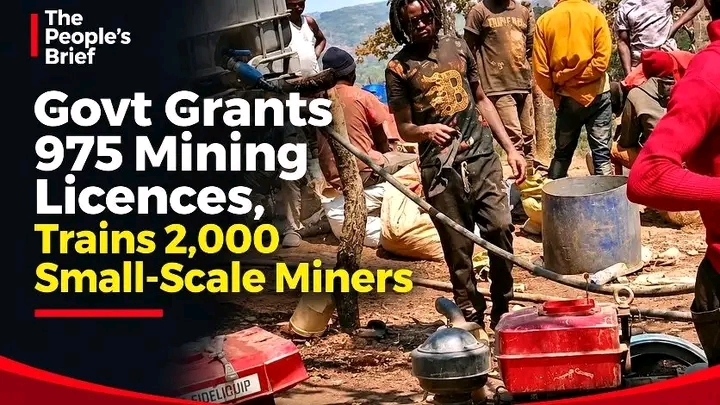
Zambia: 975 Small-Scale Mining Licenses Granted to Citizens
Summary
- Zambia's government has granted 975 small-scale mining licenses exclusively to Zambian citizens.
- Mines Minister Brenda Tambatamba announced this initiative to Parliament on Wednesday.
- The program aims to formalize the artisanal mining subsector and increase local participation.
- Over 2,000 miners from more than 900 cooperatives have received training as part of this effort.
What Happened
A primary objective behind this extensive issuance of licenses is the formalization of the country's artisanal and small-scale mining operations.
Mines and Minerals Development Minister Brenda Tambatamba recently announced in Parliament that the Zambian government has issued 975 new artisanal and small-scale mining licenses. These permits have been exclusively granted to Zambian citizens, marking a significant governmental initiative to reshape the nation's mining sector. The announcement, made on a Wednesday, highlights a concerted effort to bring more local participants into the formal economy of mineral extraction, directly addressing the long-standing challenge of informal mining operations across the country.
Policy Context
This extensive issuance of licenses forms a crucial part of Zambia's broader strategy to formalize its artisanal and small-scale mining subsector. The government's primary objective is to transition informal mining operations into a regulated framework, thereby enhancing oversight, safety, and economic contribution from these activities. Concurrently, this initiative aims to significantly increase local participation within the lucrative Zambian mining sector, ensuring that a greater share of the industry's benefits directly accrues to Zambian citizens and communities. This move is seen as vital for empowering local miners, providing them with legal recognition, and integrating them more fully into the national economy, aligning with the government's vision for a more equitable distribution of mineral wealth.
Capacity Building and Support
As a foundational component of this comprehensive formalization drive, the government has also facilitated extensive capacity-building programs. Minister Tambatamba confirmed that more than 2,000 individual miners, representing over 900 distinct cooperatives, have successfully completed these specialized training sessions. This training is designed to equip small-scale operators with the necessary technical skills, regulatory knowledge, and operational best practices required to function effectively and compliantly within a formalized mining environment. The emphasis on organizing miners into cooperatives and providing them with structured training underscores a strategic approach to foster collective strength, shared resources, and adherence to national mining standards among local participants.
Implications for the Sector
The recent allocation of nearly a thousand small-scale mining licenses, coupled with substantial training for thousands of miners organized into hundreds of cooperatives, underscores a significant shift in Zambia's approach to its mineral resources. This concerted effort is designed not only to integrate previously informal operations into the national economy but also to foster greater equity and local ownership within a key economic sector. The initiative by the Zambian government, as articulated by Minister Tambatamba, signals a robust commitment to developing a more structured, inclusive, and locally-driven mining environment for its citizens, potentially setting a new precedent for Zambian artisanal mining formalization and local participation. This development creates new opportunities and compliance requirements for all stakeholders in the small-scale mining sector, emphasizing the government's dedication to transforming the landscape of small-scale mining in Zambia.
Practical Implications
Lawyers should advise clients involved in or looking to enter Zambia's small-scale mining sector on the new licensing requirements and compliance obligations stemming from the government's formalization efforts. This development creates opportunities for legal support in securing licenses and navigating the evolving regulatory landscape for artisanal miners.
Source
How does this affect you?
Get an AI analysis of this article grounded in your jurisdictions, practice areas, and any policy documents you've uploaded to Wansom.
Finish Reading the Full Story and the Expert Analysis.
Get the latest legal & regulatory intelligence in Zambia
Wansom is AI and can make mistakes.