
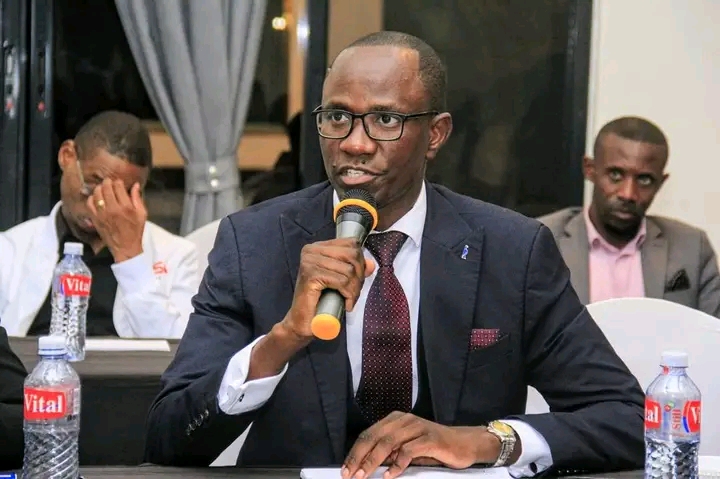
Zambia UNHRC Election: LAZ Urges Strong Human Rights Commitment
Summary
- Zambia was elected to the United Nations Human Rights Council for the 2027-2029 term.
- The country secured its seat with 177 votes from the international community.
- The Law Association of Zambia (LAZ) urged the government to demonstrate its commitment to human rights, constitutional governance, and the rule of law.
- LAZ views Zambia's UNHRC election as a critical opportunity to uphold these fundamental principles.
What Happened
This heightened visibility means that Zambia's adherence to human rights, constitutional governance, and the rule of law will be under increased scrutiny, not only from international observers but also from its own citizens and civil society organizations like the Law Association of Zambia.
Zambia has successfully secured a seat on the United Nations Human Rights Council (UNHRC), a significant development that will see the nation serve for the 2027-2029 term. The election outcome, which saw Zambia garner 177 votes, reflects substantial international support for its candidacy. This achievement places Zambia in a prominent position on the global stage, tasked with contributing to the promotion and protection of human rights worldwide.
Following this electoral success, the Law Association of Zambia (LAZ) promptly issued a call to action, urging the government to leverage this new role. LAZ emphasized that Zambia's tenure on the UN Human Rights Council should be utilized as an opportunity to unequivocally demonstrate its dedication to fundamental principles. Specifically, the professional body for lawyers highlighted the importance of upholding human rights, ensuring robust constitutional governance, and strengthening the rule of law within the country.
Legal Context
The Law Association of Zambia, as the statutory body representing the legal profession in the country, plays a crucial role in advocating for legal integrity and societal justice. Its mandate extends to safeguarding the independence of the judiciary, promoting legal education, and championing human rights and the rule of law domestically. Therefore, LAZ's statement regarding Zambia's UNHRC election is consistent with its foundational objectives, underscoring the legal community's expectation for the government to translate international commitments into tangible national actions.
The United Nations Human Rights Council itself is an inter-governmental body within the United Nations system responsible for strengthening the promotion and protection of human rights around the globe and for addressing situations of human rights violations and making recommendations on them. Membership on the Council, such as Zambia's upcoming term from 2027 to 2029, entails a commitment to the highest standards in the promotion and protection of human rights. This international platform provides both an opportunity for Zambia to influence global human rights discourse and a responsibility to exemplify these standards within its own borders.
Why It Matters
Zambia's election to the UN Human Rights Council carries substantial implications for its domestic policy and international standing. The 177 votes received signify a strong endorsement from the international community, but also an expectation that Zambia will lead by example. This heightened visibility means that Zambia's adherence to human rights, constitutional governance, and the rule of law will be under increased scrutiny, not only from international observers but also from its own citizens and civil society organizations like the Law Association of Zambia.
The call from LAZ for the government to demonstrate its commitment is particularly pertinent. It suggests that while the election is a diplomatic victory, the real work lies in ensuring that the principles Zambia advocates for internationally are rigorously applied at home. This period from 2027-2029 could therefore catalyze a renewed focus on legislative reforms, judicial independence, and the protection of civil liberties, aligning Zambia's internal practices with its global human rights commitment. The UNHRC election implications for Zambia are profound, potentially shaping its legal and governance landscape for years to come.
Practical Implications
Lawyers and compliance officers in Zambia should anticipate increased government focus and international scrutiny on human rights, constitutional governance, and the rule of law, potentially leading to new policy developments, legislative reforms, or enforcement actions that could impact client operations and legal frameworks.
Source
How does this affect you?
Get an AI analysis of this article grounded in your jurisdictions, practice areas, and any policy documents you've uploaded to Wansom.
Finish Reading the Full Story and the Expert Analysis.
Get the latest legal & regulatory intelligence in Zambia
Wansom is AI and can make mistakes.