
Zambia Chilenje Local Court: Man Presents Pubic Hair Evidence in Dispute
Summary
- A 39-year-old man presented his pubic hair, wrapped in tissue, as evidence in Zambia's Chilenje Local Court.
- The man sought to prove he had shaved himself, countering his wife Catherine Mumba's claim that a girlfriend was responsible.
- The unusual exhibit reportedly caused laughter in the courtroom during the domestic dispute proceedings.
- This incident highlights an unconventional method of proof used in a Zambian local court, though it does not set a legal precedent.
An Unconventional Defense in Chilenje Local Court
The unusual presentation of this personal item as proof, reportedly causing laughter in the courtroom, underscores the lengths individuals may go to defend themselves in intimate disputes within a formal legal setting.
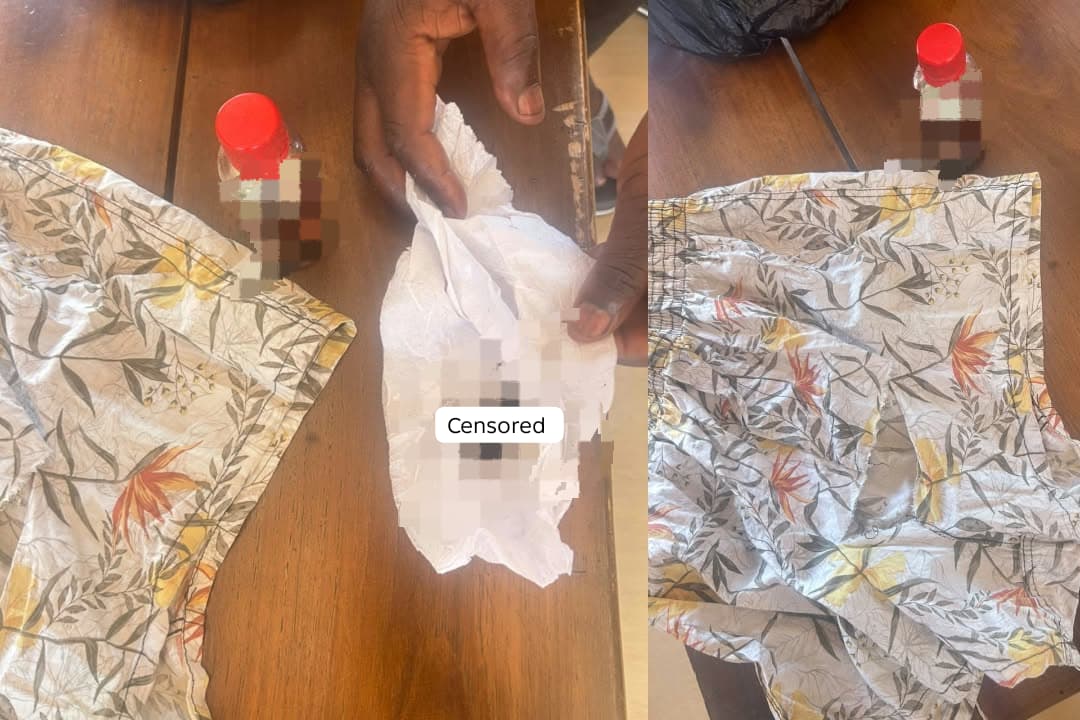
A recent proceeding at the Chilenje Local Court in Zambia saw a 39-year-old man present an extraordinary piece of evidence in a domestic dispute. The man, whose identity was not fully disclosed, produced a small packet containing his own pubic hair, which was reportedly wrapped in a tissue. This unusual exhibit was offered to the court as definitive proof that he had personally shaved himself.
This act was a direct rebuttal to an accusation made by his wife, Catherine Mumba. Ms. Mumba had informed the court that she believed her husband's pubic hair had been shaved by a girlfriend, implying infidelity. The man's dramatic presentation of the physical evidence was intended to counter this specific claim, asserting his own agency in the act of grooming. The incident, involving this unique Zambia Chilenje Local Court pubic hair evidence, reportedly caused laughter to erupt within the courtroom during the Chilenje Local Court proceedings.
Legal Context and Evidence Standards in Zambia
Local courts in Zambia, such as the Chilenje Local Court, typically handle a range of civil matters, including domestic disputes, minor land issues, and customary law cases. While they operate within a formal legal framework, the presentation of evidence can sometimes be less rigid compared to higher courts, often allowing for more direct and personal forms of testimony and exhibits. However, the introduction of such highly personal and unconventional evidence as seen in the Catherine Mumba court case Zambia is certainly an anomaly.
It is important to note that this specific incident does not establish new Zambia local court evidence standards or set a legal precedent. Rather, it serves as an anecdotal illustration of the varied and sometimes unexpected ways individuals attempt to prove their case in court. The legal system, even at the local level, generally relies on more conventional forms of proof, such as witness testimony, documents, or more commonly accepted physical evidence, making this shaving pubic hair court dispute particularly noteworthy for its departure from the norm.
Significance of the Unusual Presentation
The unusual court evidence Zambia witnessed in this Chilenje Local Court case highlights the profound personal stakes involved in domestic disputes and the lengths to which individuals may go to defend their integrity or reputation. While the specific item of evidence was highly unconventional, its purpose was clear: to directly refute a personal accusation with tangible, albeit peculiar, proof. The reported laughter in the courtroom suggests a collective recognition of the sheer audacity and uniqueness of the man's defense strategy.
This incident, while not altering the legal landscape, offers a glimpse into the human element of judicial proceedings, where personal narratives and unconventional methods of proof can sometimes emerge. It underscores that even in formal settings, the pursuit of truth in deeply personal matters can lead to unexpected and memorable moments, reinforcing the idea that every case, no matter how minor, holds significant importance for the parties involved.
Practical Implications
This article describes an anecdotal event in a local court and does not present any new legal precedent, statutory changes, compliance obligations, or practical implications for lawyers or compliance officers. It serves as an unusual illustration of evidence presented in court.
Source
How does this affect you?
Get an AI analysis of this article grounded in your jurisdictions, practice areas, and any policy documents you've uploaded to Wansom.
Finish Reading the Full Story and the Expert Analysis.
Get the latest legal & regulatory intelligence in Zambia
Wansom is AI and can make mistakes.