
UPND Tonse Alliance: By-Election Withdrawals Spark Coercion Claims in Zambia
Summary
- Muhabi Lungu accused the UPND of collaborating with Tonse Alliance candidates to facilitate withdrawals from by-elections.
- A Tonse Alliance candidate recently withdrew from the Mandevu parliamentary by-election.
- The candidate stated he was forced to withdraw due to threats directed at his family.
- These allegations raise concerns about candidate withdrawal coercion and electoral malpractice in Zambia.
The Allegations Emerge
Forced withdrawals, especially under duress such as threats to family, represent a severe form of electoral malpractice and a direct violation of the principles underpinning free and fair elections.
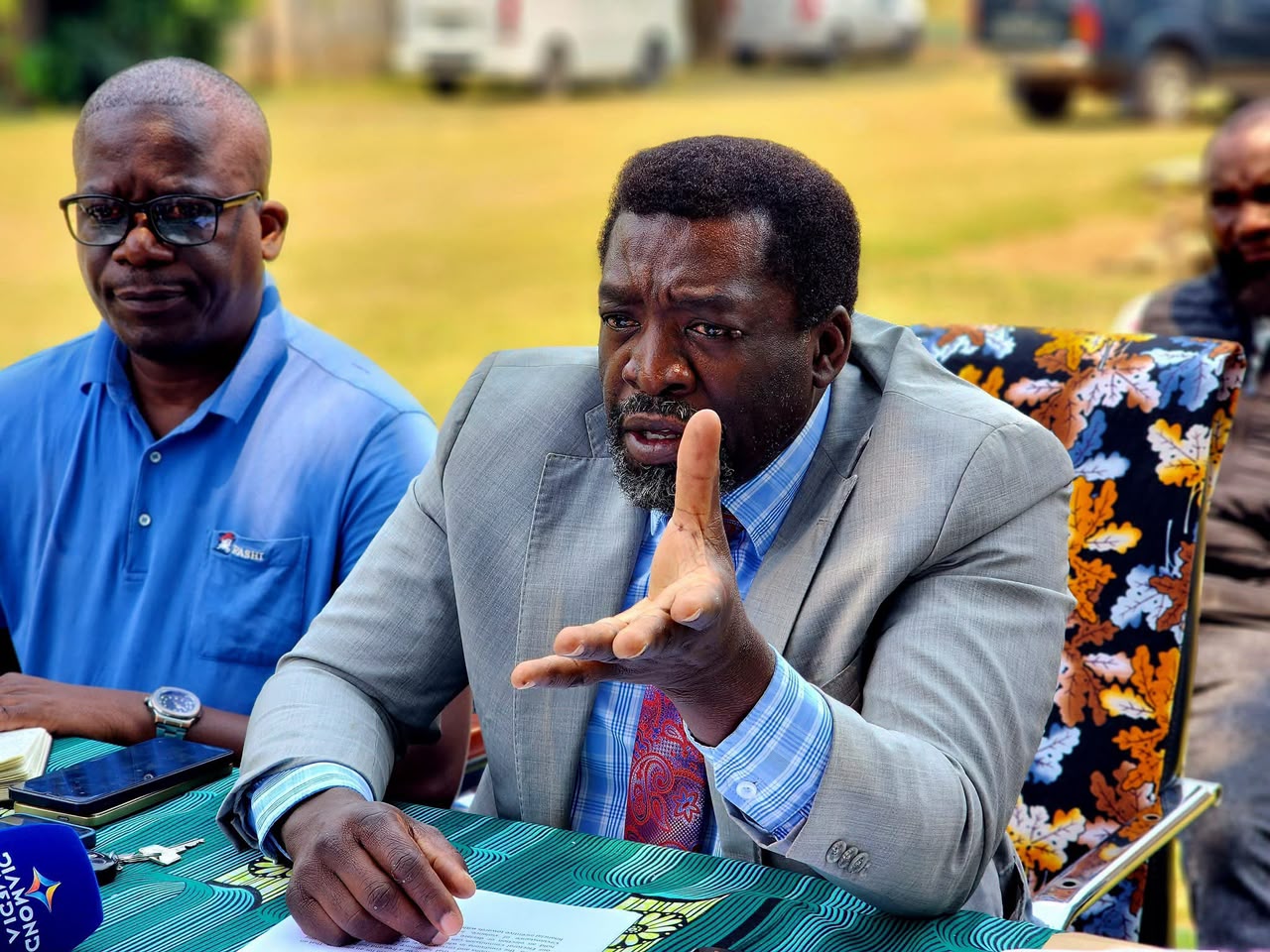
Muhabi Lungu has publicly leveled serious accusations against the United Party for National Development (UPND), alleging their involvement in a scheme to induce candidates from the Tonse Alliance to withdraw from ongoing by-elections. These claims suggest a deliberate effort by the UPND to manipulate the electoral landscape by removing opposing candidates from the race. The gravity of these accusations lies in the potential subversion of democratic principles and fair competition.
A specific incident highlighted by Lungu involved a Tonse Alliance candidate who recently withdrew from the Mandevu parliamentary by-election. This individual reportedly stated that his decision to step down was not voluntary but rather a direct consequence of threats made against his family. Such a revelation, if true, indicates a disturbing level of coercion and intimidation being employed within the electoral process, raising significant concerns about the safety and autonomy of political participants.
Electoral Integrity Under Scrutiny
The allegations of candidate withdrawal coercion in Zambia, particularly concerning the Mandevu parliamentary by-election, cast a shadow over the integrity of the nation's electoral system. Forced withdrawals, especially under duress such as threats to family, represent a severe form of electoral malpractice and a direct violation of the principles underpinning free and fair elections. Such actions, if proven, could constitute significant Zambia electoral law violations, potentially leading to legal challenges and investigations into the conduct of the involved parties.
These claims underscore the vulnerability of the electoral process to undue influence and intimidation. The ability of candidates to participate without fear of reprisal is fundamental to a healthy democracy. When such fears are exploited, it not only impacts the individual candidate but also erodes public trust in the legitimacy of election outcomes and the overall democratic framework. The UPND Tonse by-election dispute, therefore, transcends mere political rivalry, touching upon core issues of governance and justice.
Broader Implications for Zambian Politics
The dispute surrounding the UPND Tonse Alliance by-election withdrawals carries substantial implications for the political landscape in Zambia. For the Tonse Alliance, these incidents represent a direct challenge to their ability to field candidates and compete effectively in elections, potentially weakening their presence and influence. Conversely, for the UPND, the accusations could lead to reputational damage and intense scrutiny from electoral bodies, civil society, and the international community, regardless of the veracity of the claims.
Should these allegations of candidate coercion be substantiated, they could trigger a cascade of legal and political repercussions. Affected parties might pursue electoral petitions, challenging the results of by-elections where such withdrawals occurred. Furthermore, the claims could prompt broader investigations into electoral conduct, potentially leading to sanctions or reforms aimed at preventing future instances of alleged malpractice. The ongoing situation highlights the critical need for robust legal frameworks and vigilant oversight to safeguard the fairness and transparency of Zambia's democratic processes.
Practical Implications
Lawyers advising political parties or candidates in Zambia should monitor these allegations of candidate coercion and withdrawal, as they could lead to electoral petitions, legal challenges, or investigations into electoral conduct. This development highlights potential risks to electoral integrity and the need for robust legal strategies to address or defend against such claims.
Source
How does this affect you?
Get an AI analysis of this article grounded in your jurisdictions, practice areas, and any policy documents you've uploaded to Wansom.
Wansom is AI and can make mistakes.