
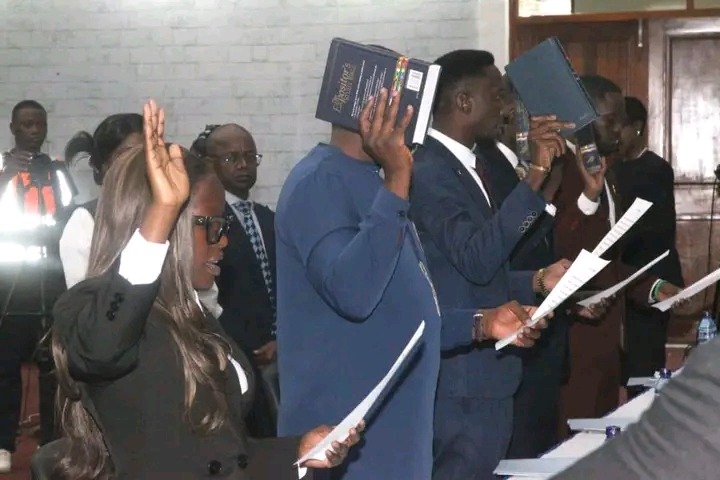
Electoral Commission of Zambia: Validates 40 Zambia Proportional Representation MPs
Summary
- The Electoral Commission of Zambia has validated 40 new Members of Parliament under a proportional representation system.
- This reform marks the first time the composition of the Zambian National Assembly has been altered in its history.
- Of the 40 reserved seats, 20 are specifically designated for women, 15 are for youth, and 5 are for persons with disabilities.
- The change aims to enhance representation and could influence future legislative priorities and policy-making.
- These nominated MPs are expected to bring new perspectives to the National Assembly, reflecting a broader demographic.
Historic Shift in Zambia's Parliament
This significant development marks a fundamental alteration in the composition of the Zambian National Assembly, a change unprecedented in its history.
The Electoral Commission of Zambia (ECZ) has officially validated the nomination of 40 new Members of Parliament (MPs) under the nation's recently implemented proportional representation system. This significant development marks a fundamental alteration in the composition of the Zambian National Assembly, a change unprecedented in its history.
These newly confirmed Zambia proportional representation MPs represent the culmination of a parliamentary reform effort designed to broaden representation within the legislative body. The validation by the Electoral Commission of Zambia nominated MPs signifies a critical step in the country's evolving democratic framework, integrating a new mechanism for selecting national representatives.
The 40 individuals now joining the National Assembly were selected through a system that aims to ensure a more equitable distribution of parliamentary seats, reflecting various segments of the population. This move is expected to introduce new perspectives and priorities into the legislative process, potentially reshaping future policy debates and outcomes.
Details of the New Composition
The introduction of these 40 nominated members parliament fundamentally reconfigures the legislative landscape. These specific seats are designated as reserved, ensuring that particular demographic groups gain direct representation within the National Assembly. This structural modification is a direct outcome of the Zambia parliamentary reform, which sought to enhance inclusivity.
Of the 40 reserved positions, a substantial portion — 20 seats — has been specifically allocated for women. This provision for Zambia women MPs nomination is a clear effort to address historical gender imbalances in political representation. Additionally, 15 of these seats are designated for youth, and 5 for persons with disabilities, further illustrating the targeted nature of this reform.
This Zambia National Assembly composition change is not merely an increase in numbers but a strategic re-engineering of how diverse voices can directly influence national governance. The reserved seats ensure that these groups have a guaranteed presence, rather than relying solely on electoral victories in geographically defined constituencies.
Broader Implications for Governance
The integration of these 40 Zambia proportional representation MPs holds substantial implications for the nation's legislative agenda and the overall political discourse. With a more diverse array of voices now guaranteed a seat in the National Assembly, there is an expectation that legislative priorities could shift to better reflect the needs and concerns of previously underrepresented segments of society.
This new structure, stemming from the Zambia parliamentary reform, is poised to influence policy-making across various sectors. Lawyers and policy analysts will be closely monitoring how the increased representation, particularly for women and other designated groups, translates into the introduction and passage of new laws. The presence of these Electoral Commission of Zambia nominated MPs could lead to a more nuanced and comprehensive approach to national challenges.
Ultimately, the success of this Zambia National Assembly composition change will be measured by its impact on the efficacy and inclusivity of governance. The reform provides a unique opportunity for the legislature to become a more accurate reflection of the nation's populace, potentially fostering greater public trust and engagement in the democratic process.
Practical Implications
This significant shift in Zambia's parliamentary composition, driven by the new proportional representation system, could influence future legislative priorities and the passage of laws. Lawyers should monitor how this new structure impacts policy-making, particularly concerning sectors or demographics now with increased representation.
Source
How does this affect you?
Get an AI analysis of this article grounded in your jurisdictions, practice areas, and any policy documents you've uploaded to Wansom.
Finish Reading the Full Story and the Expert Analysis.
Get the latest legal & regulatory intelligence in Zambia
Wansom is AI and can make mistakes.