
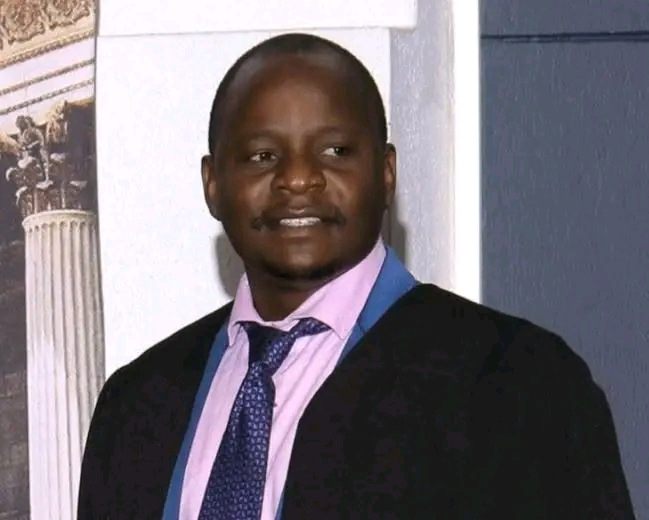
Dr. James Musonda: Calls for Zambia Presidential Immunity Removal
Summary
- Social anthropologist Dr. James Musonda has advocated for the removal of presidential immunity in Zambia.
- He argues that current immunity provisions create significant accountability challenges for former heads of state.
- Specifically, these protections hinder the prosecution of individuals suspected of benefiting from the abuse of public office.
- Dr. Musonda's proposal aims to strengthen governance and ensure greater accountability at the highest levels.
A Call for Accountability Reform
The ability to pursue Zambia former heads of state prosecution without the obstacle of immunity would mark a significant step towards greater transparency and integrity in public service.
A prominent social anthropologist, Dr. James Musonda, has recently advocated for a significant constitutional amendment in Zambia: the complete removal of presidential immunity. This proposal targets the legal protections currently extended to former heads of state, which, according to Dr. Musonda, fundamentally undermine efforts to ensure robust governance and public accountability. His intervention signals a growing discourse around the mechanisms that govern the conduct of high office in the nation.
Dr. Musonda's argument centers on the premise that the existing immunity provisions create an environment where accountability can be severely compromised. He contends that these legal shields, while intended to protect the dignity and stability of the presidential office, inadvertently create challenges when it comes to holding past leaders responsible for their actions. This perspective highlights a tension between the traditional safeguards for former presidents and the contemporary demand for transparency and justice in public administration.
The Challenge of Prosecution
The primary concern articulated by Dr. Musonda revolves around the practical difficulties encountered in prosecuting individuals who are suspected of having benefited from the abuse of public office. He specifically points out that the immunity granted to former heads of state acts as a substantial barrier, impeding legal processes that would otherwise seek to investigate and bring charges against such individuals. This legal impediment, he argues, can effectively shield those who may have engaged in corrupt practices or misused their authority during their tenure.
This situation creates a significant hurdle for the Zambian legal system, as it struggles to pursue justice in cases where high-level officials are implicated. The inability to effectively prosecute former leaders due to immunity provisions can erode public trust in institutions and the rule of law. It suggests a system where certain individuals might be perceived as being above legal scrutiny, even when serious allegations of misconduct involving public resources are raised. The call for the removal of presidential immunity in Zambia is thus directly linked to strengthening the capacity of the state to address corruption and malfeasance at the highest levels.
Broader Implications for Governance
Dr. Musonda's call for the removal of presidential immunity in Zambia carries broader implications for the nation's governance framework and its commitment to accountability. By highlighting how existing protections complicate the prosecution of former heads of state, he underscores a critical area for Zambian presidential accountability reform. Such a reform would aim to ensure that no individual, regardless of their past office, is beyond the reach of the law, particularly concerning allegations of benefiting from the abuse of public trust.
This discussion also resonates with a wider movement across Africa concerning the removal of presidential immunity. Many nations on the continent grapple with similar questions regarding how to balance the need for stable leadership transitions with the imperative for leaders to be held accountable for their actions while in power. Dr. Musonda's intervention contributes to this ongoing regional dialogue, suggesting that strengthening legal mechanisms against corruption and abuse of office requires a re-evaluation of long-standing constitutional provisions that may inadvertently foster impunity. The ability to pursue Zambia former heads of state prosecution without the obstacle of immunity would mark a significant step towards greater transparency and integrity in public service.
Practical Implications
This article signals a growing public discourse and academic pressure for constitutional reform regarding presidential immunity in Zambia. Lawyers should monitor legislative developments and public sentiment surrounding this issue, as any future changes could significantly impact the prosecution of former public officials and the broader legal framework for accountability in the country.
Source
How does this affect you?
Get an AI analysis of this article grounded in your jurisdictions, practice areas, and any policy documents you've uploaded to Wansom.
Finish Reading the Full Story and the Expert Analysis.
Get the latest legal & regulatory intelligence in Zambia
Wansom is AI and can make mistakes.