
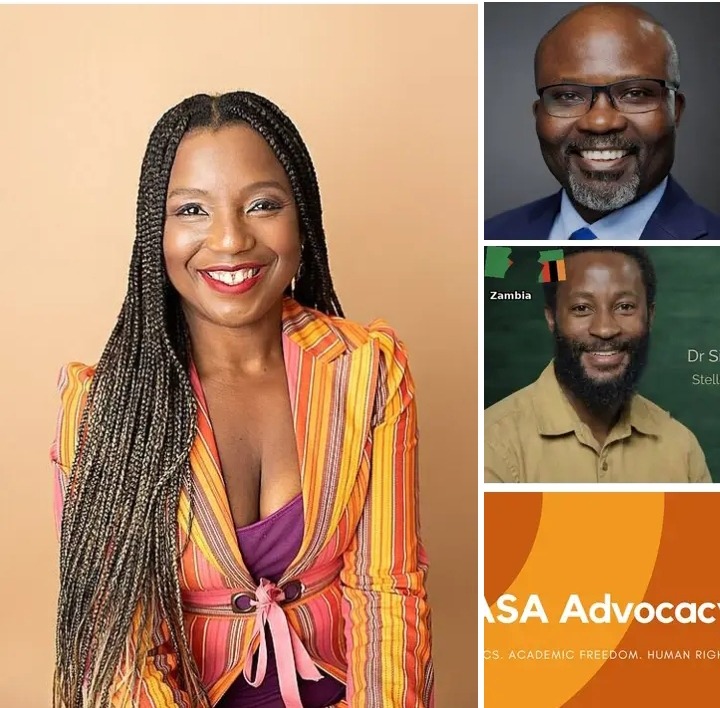
Zambia: Passport Cancellation Targets Government Critics, Sparks Rights Alarm
Summary
- Zambian authorities have reportedly cancelled the passports of at least six prominent government critics.
- The African Studies Association (ASA), founded in 1957 in the United States, has expressed deep concern over these reports.
- The ASA is recognized as the largest membership organization for scholars of Africa globally.
- The cancellations raise significant questions regarding freedom of movement and potential political targeting in Zambia.
What Happened
When a state restricts this right for its critics, it often signals a tightening of the civic space and a potential erosion of democratic norms, prompting scrutiny from international bodies and advocacy groups.
Zambian authorities have reportedly moved to cancel the passports of at least six individuals identified as prominent government critics, an action that has drawn significant international attention. These cancellations effectively restrict the international travel capabilities of those affected, raising immediate concerns about their freedom of movement. The reports indicate a direct governmental action targeting individuals based on their critical stance towards the administration.
This development has prompted a strong reaction from the African Studies Association (ASA), a respected academic body. The ASA, established in 1957 in the United States, stands as the largest membership organization globally dedicated to scholars of Africa. The association has publicly expressed its deep concern regarding these reported actions by the Zambian government, signaling a broader apprehension within the international academic community about civil liberties in the nation.
Legal and Human Rights Context
The revocation of passports, particularly for individuals identified as government critics, directly implicates fundamental human rights, most notably the right to freedom of movement. While the source does not detail the specific legal provisions cited by Zambian authorities for these cancellations, such actions are typically governed by national immigration and passport laws. However, the application of these laws in a manner that disproportionately targets political dissenters often raises questions about due process and adherence to international human rights standards.
The concern articulated by the African Studies Association underscores the perception that these actions may constitute a form of political reprisal. Freedom of movement is a cornerstone of democratic societies, allowing individuals to travel, engage in international discourse, and pursue opportunities abroad. When a state restricts this right for its critics, it often signals a tightening of the civic space and a potential erosion of democratic norms, prompting scrutiny from international bodies and advocacy groups.
Why It Matters
The statement from the African Studies Association carries considerable weight due to its standing as the preeminent organization for African scholarship. Its deep concern highlights that the reported passport cancellations are not merely administrative actions but are viewed as significant infringements on human rights and academic freedom within Zambia. Such interventions by a globally recognized academic body often serve as an early warning signal regarding the state of governance and civil liberties in a particular country, drawing the attention of other international observers and human rights organizations.
These actions by Zambian authorities could have a chilling effect on political discourse and dissent within the country. When prominent critics face such severe restrictions on their ability to travel, it can deter others from expressing dissenting views, thereby stifling open debate and critical commentary essential for a healthy democracy. The international community, represented here by the ASA, is keenly observing these developments, recognizing their potential to impact Zambia's reputation and its commitment to democratic principles and human rights.
Practical Implications
Lawyers advising clients in Zambia, particularly those involved in advocacy or critical commentary, should be aware of the increased risk of passport cancellation and its implications for freedom of movement. This development underscores the need to monitor civil liberties and prepare for potential legal challenges against such state actions.
Source
How does this affect you?
Get an AI analysis of this article grounded in your jurisdictions, practice areas, and any policy documents you've uploaded to Wansom.
Finish Reading the Full Story and the Expert Analysis.
Get the latest legal & regulatory intelligence in Zambia
Wansom is AI and can make mistakes.