
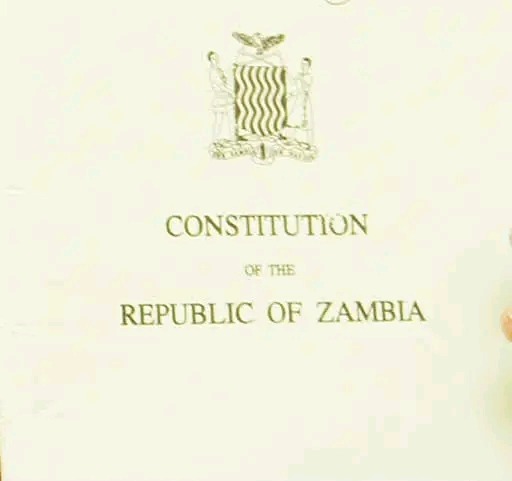
Zambia: New Constitution Debate Signals Critical Governance Juncture
Summary
- Zambia is deliberating whether to replace its 1991 Constitution with an entirely new supreme law.
- This constitutional question is considered one of the most significant since the country's return to multiparty democracy in 1991.
- The core of the debate focuses on identifying the specific problems a new constitution must address.
- Legal professionals and compliance officers should closely monitor this Zambia constitutional review process due to its potential impact on existing legal frameworks and compliance strategies.
Emerging Constitutional Question
For legal professionals, compliance officers, and entities operating within Zambia, the ongoing Zambia constitutional review process carries substantial implications.
Zambia is currently grappling with a profound constitutional question that could reshape its legal and political landscape. While comprehensive constitutional reform efforts are ongoing in Zambia, the nation has recently focused on amending its existing 1991 Constitution, with significant legislative changes enacted, rather than entirely abandoning it for a new supreme law. This deliberation represents one of the most significant constitutional discussions the country has faced since its pivotal return to multiparty democracy in 1991. The potential for a Zambia new constitution debate signals a critical juncture, prompting widespread discussion among citizens, legal experts, and political stakeholders about the future direction of the country's governance. This is not a minor amendment but a fundamental re-evaluation of the nation's foundational legal document.
The prospect of a new constitution in Zambia, as highlighted by Mwanza Isaac, indicates a moment of deep reflection on the country's governance structures. The scale of this potential change suggests a desire to address long-standing issues or adapt the legal framework to contemporary national needs. Such a comprehensive overhaul would mark a historical event, impacting every facet of Zambian society and its relationship with the state.
Historical Context and Reform Imperatives
The current Zambia new constitution debate draws parallels with the transformative period of 1991, which saw the nation transition to multiparty democracy and adopt its current constitution. The 1991 Constitution was instrumental in establishing the legal and institutional framework for this new political dispensation. Decades later, Zambia finds itself at another critical juncture, considering a comprehensive Zambian constitutional reform. This potential Zambia 1991 Constitution review signifies a desire to move beyond incremental changes, suggesting a deep-seated need to address perceived shortcomings or evolving national aspirations that the current framework may no longer adequately serve. The historical context underscores the gravity of the decision facing the nation regarding its supreme law.
The discussion around a new constitution is therefore rooted in the country's democratic journey, seeking to build upon or rectify the foundations laid over three decades ago. This constitutional review process is not merely an academic exercise but a practical response to the evolving demands of a modern state, aiming to forge a legal framework that is robust, equitable, and reflective of the collective will of the Zambian people.
Legal and Compliance Implications
For legal professionals, compliance officers, and entities operating within Zambia, the ongoing Zambia constitutional review process carries substantial implications. Should the nation proceed with the adoption of a new constitution, it would necessitate a comprehensive Zambia legal framework debate across all sectors. Fundamental changes to the supreme law would inevitably trigger a cascading requirement for a thorough review and potential overhaul of existing statutes, regulations, and compliance strategies. Lawyers will need to meticulously analyze how a new constitutional order impacts contractual obligations, property rights, administrative law, and corporate governance. Proactive monitoring of this debate is therefore crucial for ensuring continued legal compliance and strategic foresight in a potentially transformed legal environment.
Businesses and organizations must prepare for the possibility of adapting their operational guidelines and legal interpretations to align with a newly established constitutional order. This includes assessing potential shifts in regulatory environments, judicial processes, and fundamental rights that could influence commercial activities and corporate responsibilities. The scope of this potential reform underscores the critical importance of monitoring developments in the Zambia new constitution debate to mitigate risks and capitalize on new opportunities.
Defining the Scope of Change
A central tenet of the current Zambia new constitution debate revolves not merely around the question of *if* a new constitution is needed, but more critically, *what specific issues* such a document must aim to resolve. As articulated by Mwanza Isaac, the focus is on identifying the precise problems and deficiencies within the existing legal architecture that a new supreme law should rectify. This approach suggests a deliberate and purposeful Zambian constitutional reform, aiming to ensure that any new framework is not just novel but also effective in addressing contemporary challenges and strengthening democratic institutions.
The emphasis on defining the problems first underscores a pragmatic desire to build a more robust and responsive legal foundation for the nation. This targeted approach to the Zambia constitutional review process aims to ensure that the eventual document provides meaningful solutions and enhancements to the country's governance, rather than simply replacing one framework with another without clear objectives. The outcome of this debate will shape the future trajectory of Zambia's legal and political landscape for generations.
Practical Implications
Lawyers and compliance officers should closely monitor the ongoing debate regarding a new Zambian constitution, as any fundamental changes to the supreme law will necessitate a comprehensive review of existing legal frameworks and compliance strategies across all sectors.
Source
How does this affect you?
Get an AI analysis of this article grounded in your jurisdictions, practice areas, and any policy documents you've uploaded to Wansom.
Finish Reading the Full Story and the Expert Analysis.
Get the latest legal & regulatory intelligence in Zambia
Wansom is AI and can make mistakes.