
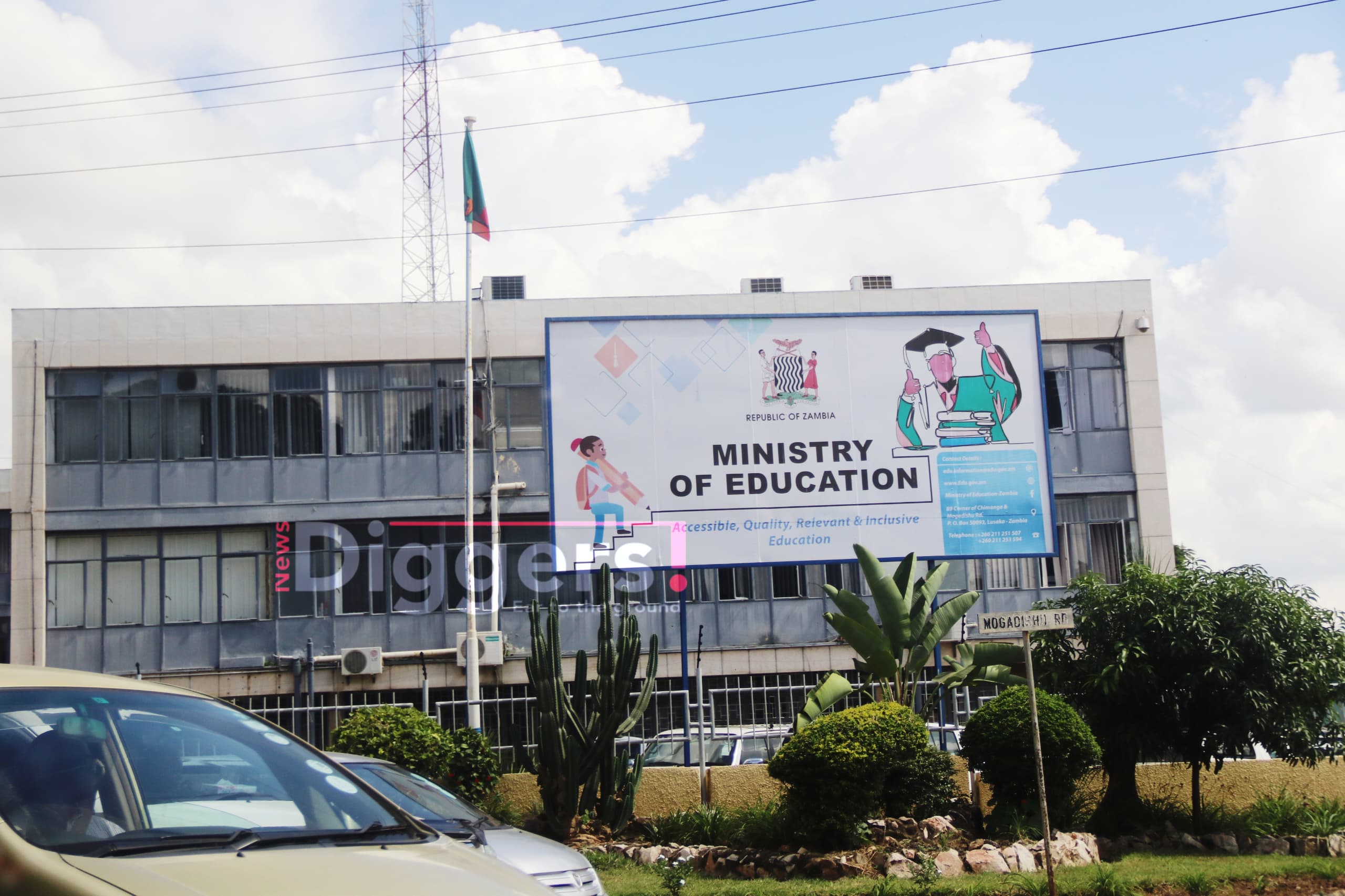
Zambia Ministry of Education: AG Report Reveals K1.2M Ghost Worker Salaries
Summary
- The latest Auditor General's Report revealed significant financial irregularities within Zambia's Ministry of Education.
- Over K1.2 million was paid in salaries to 125 individuals who could not be accounted for at their workstations.
- These 125 individuals are identified as 'ghost workers' in the audit findings.
- The report also found that four officers continued to receive salaries despite absconding from duty for over 12 months.
Audit Uncovers Significant Payroll Irregularities
The discovery of over K1.2 million in unaccounted salaries paid to 125 ghost workers within the Ministry of Education has significant implications for public trust in government institutions and the efficient allocation of national resources.
The latest Auditor General's Report has brought to light substantial financial mismanagement within Zambia's Ministry of Education. The audit findings indicate that the Ministry disbursed over K1.2 million in salary payments to 125 individuals who could not be accounted for at their designated places of work. These individuals, often referred to as 'ghost workers,' represent a significant drain on public resources and highlight critical deficiencies in the Ministry's payroll management systems.
Further compounding these issues, the same report detailed instances where four specific officers continued to receive their salaries despite having been absent from their duties for a period exceeding twelve months. This revelation underscores a broader pattern of lax oversight and control over public sector payroll, raising serious questions about accountability and the integrity of financial processes within the Zambian education sector. The findings from the Auditor General's Report Zambia education point to a pressing need for immediate corrective action.
Legal and Regulatory Context of Findings
The Auditor General's Report serves as a crucial mechanism for ensuring transparency and accountability in the expenditure of public funds across government ministries and departments. Its findings on the Zambia Ministry of Education ghost workers AG report are not merely administrative observations but signal potential breaches of financial regulations and public service ethics. Such reports often form the basis for further investigations by anti-corruption bodies and can lead to disciplinary action, criminal prosecution, and efforts to recover misappropriated funds.
These financial irregularities, including the K1.2 million paid to unaccounted personnel, fall under the umbrella of Zambia public sector payroll fraud. The continuous payment of salaries to individuals who have absconded from duty for over a year, as well as the 125 ghost workers, represents a direct contravention of established employment and financial protocols. The Auditor General's Report on the 2025 accounts specifically targets these types of discrepancies, emphasizing the systemic vulnerabilities that allow such fraudulent activities to persist within government institutions.
Implications for Public Trust and Governance
The discovery of over K1.2 million in unaccounted salaries paid to 125 ghost workers within the Ministry of Education has significant implications for public trust in government institutions and the efficient allocation of national resources. Such Zambia government financial irregularities divert funds that are desperately needed for educational infrastructure, teacher development, and student support, directly impacting the quality of education provided to Zambian citizens. The integrity of the public service is undermined when such widespread payroll fraud goes undetected for extended periods.
Addressing these findings from the Auditor General's Report requires a robust response, focusing on strengthening internal controls, implementing rigorous payroll verification processes, and ensuring that all public servants are genuinely present and performing their duties. The Ministry of Education K1.2m unaccounted salaries represent not just a financial loss, but a systemic failure that demands comprehensive reform to prevent future occurrences and restore confidence in the management of public finances.
Practical Implications
Compliance officers in Zambia should review internal controls and payroll verification processes, especially for entities interacting with government ministries, to mitigate risks of financial mismanagement and fraud. Lawyers should be aware of potential investigations and recovery actions stemming from such audit findings, which could impact public sector clients or those involved in government contracts.
Source
How does this affect you?
Get an AI analysis of this article grounded in your jurisdictions, practice areas, and any policy documents you've uploaded to Wansom.
Finish Reading the Full Story and the Expert Analysis.
Get the latest legal & regulatory intelligence in Zambia
Wansom is AI and can make mistakes.