
Zambia High Court: No Treason Case Filed for Mundubile, Makebi
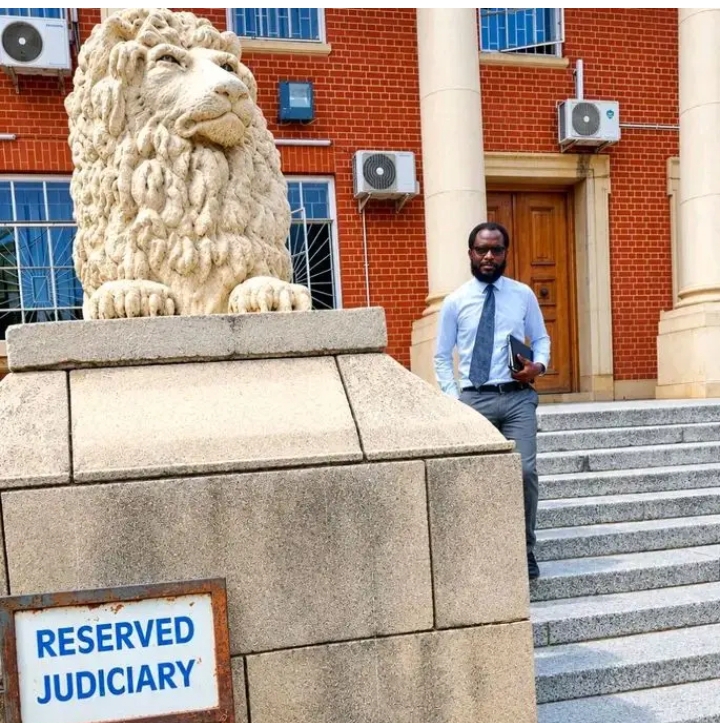
Kasonde Mwenda, following an inspection of the Lusaka High Court registries in Zambia, has stated that no court currently has the alleged treason case involving Mundubile and Makebi on its docket.
This assertion by Kasonde Mwenda, based on an inspection of both the General and Criminal Registries of the Lusaka High Court, indicates that the alleged treason case concerning "Mundubile and 18 others" has not yet been formally filed or processed within the court system. This situation arises more than a month after the individuals were reportedly detained and subsequently transferred, raising significant questions about the procedural status of the case and the rights of the accused. The explicit statement that "NO COURT IN ZAMBIA HAS THE TREASON CASE... ON ITS TABLE" underscores a critical delay in the formal judicial process.
The legal significance of this development is profound, particularly concerning due process and the constitutional rights of detained individuals in Zambia. The prolonged detention of individuals on serious charges like treason without the formal commencement of court proceedings can lead to challenges regarding unlawful detention, the right to be brought before a court within a reasonable time, and the right to a fair trial. For legal practitioners, this situation highlights potential avenues for challenging the legality of continued detention and underscores the importance of judicial oversight in criminal matters, especially those involving high-profile political charges.
The legal context for this situation is rooted in Zambia's Constitution, which guarantees fundamental rights such as the right to liberty and the right to be brought before a court without undue delay. The Criminal Procedure Code (CPC) outlines the procedural steps for arrests, detentions, and the formal charging of suspects. Treason, a grave offense under the Penal Code, is typically tried in the High Court, which possesses unlimited original jurisdiction in such matters. The absence of the case in the High Court registries suggests that either formal charges have not yet been preferred, or the committal process to the High Court has not been completed, leaving the accused in a state of legal limbo.
Legal practitioners, particularly those specializing in criminal defense and human rights, should closely monitor this situation. The delay in formally docketing a treason case after a month of detention provides potential grounds for filing applications such as habeas corpus, challenging the legality of the continued detention, or seeking bail on the basis that the state has failed to adhere to constitutional mandates regarding timely judicial process. Attorneys should be prepared to argue that the state's failure to bring the matter before a court within a reasonable period infringes upon the fundamental rights of the accused. This scenario also emphasizes the critical role of court registries in maintaining transparency and accountability within the justice system.
How does this affect you?
Get an AI analysis of this article grounded in your jurisdictions, practice areas, and any policy documents you've uploaded to Wansom.
Finish Reading the Full Story and the Expert Analysis.
Get the latest legal & regulatory intelligence in Zambia
Wansom is AI and can make mistakes.