
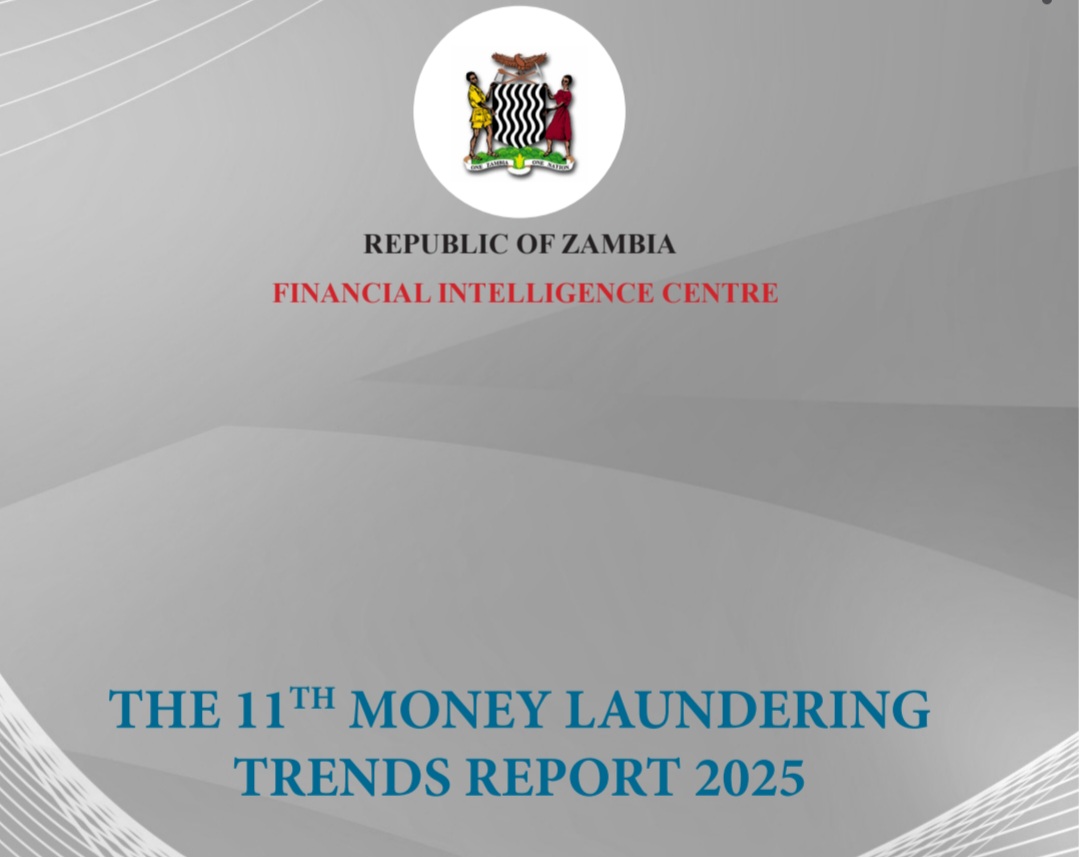
Zambia FIC: $90M Money Laundering Report Reveals Illicit Flows
Summary
- The Financial Intelligence Centre (FIC) has identified over US$90 million and K70 million in suspicious transactions.
- These transactions were detailed in the FIC's 11th Money Laundering Trends Report.
- A company and six Zambian nationals are implicated in helping an Asian national move funds abroad.
- The report highlights significant cross-border financial crime activities within Zambia.
- The findings underscore the need for enhanced AML compliance and due diligence, particularly for international transactions.
Significant Financial Irregularities Uncovered
The scale of these transactions highlights a concerted effort to circumvent regulatory oversight and engage in cross-border financial crime.
The Financial Intelligence Centre (FIC) in Zambia has brought to light a substantial volume of suspicious financial activity, detailing transactions that collectively exceed US$90 million and K70 million. These findings, which point to potential money laundering, were disclosed in the FIC's 11th Money Laundering Trends Report, underscoring the ongoing challenges in combating financial crime within the nation.
The report specifically implicates a single company and six Zambian nationals in facilitating the illicit movement of funds abroad. These individuals are alleged to have assisted an Asian national in transferring significant sums of money out of the country, raising serious concerns about the integrity of Zambia's financial systems and the effectiveness of existing anti-money laundering controls. The scale of these transactions highlights a concerted effort to circumvent regulatory oversight and engage in cross-border financial crime.
FIC's Role and Reporting on Zambia Money Laundering Trends
The disclosure of these suspicious transactions is a direct outcome of the diligent work performed by the Financial Intelligence Centre Zambia, an autonomous body mandated to receive, analyze, and disseminate financial intelligence to law enforcement agencies. The FIC's 11th Money Laundering Trends Report serves as a critical barometer for assessing the evolving landscape of financial crime and Zambia money laundering trends, providing invaluable insights into the methods and actors involved in illicit financial flows.
This particular report, like its predecessors, plays a crucial role in informing national strategies to combat money laundering and the financing of terrorism. By identifying patterns and specific instances of suspicious transactions Zambia, the FIC enables a more targeted and effective response from regulatory bodies and law enforcement, reinforcing the country's commitment to upholding international financial standards.
Heightened Scrutiny on Cross-Border Financial Crime
The revelations from the Zambia FIC $90m money laundering report signal a period of heightened enforcement and scrutiny by the Financial Intelligence Centre on large-value, cross-border transactions. The involvement of both local entities and foreign nationals in these alleged schemes underscores the complex nature of cross-border financial crime Zambia, which often exploits international financial networks to move illicit funds.
These findings necessitate a robust re-evaluation of AML compliance Zambia frameworks across various sectors. The emphasis on transactions involving foreign nationals and significant fund movements abroad suggests that financial institutions and other regulated entities must enhance their due diligence processes. The integrity of Zambia's financial system depends on the collective vigilance and adherence to stringent anti-money laundering and counter-financing of terrorism policies to mitigate exposure to such financial crime risks.
Practical Implications
This report signals heightened enforcement and scrutiny by the FIC on large-value, cross-border transactions in Zambia. Lawyers and compliance officers should review their clients' anti-money laundering (AML) and counter-financing of terrorism (CFT) policies and conduct enhanced due diligence, particularly for transactions involving foreign nationals or significant fund movements abroad, to mitigate exposure to financial crime risks.
Source
How does this affect you?
Get an AI analysis of this article grounded in your jurisdictions, practice areas, and any policy documents you've uploaded to Wansom.
Finish Reading the Full Story and the Expert Analysis.
Wansom is AI and can make mistakes.