
ECZ Zambia: Finalizes 40 Proportional Seats Allocation for National Assembly
Summary
- The Electoral Commission of Zambia has finalized the allocation of 40 new proportional representation seats in the National Assembly.
- An orientation meeting was previously held with two political parties that qualified for the allocation process.
- The National Reconciliation Party for Unity and Prosperity is one of the qualifying parties involved.
- This allocation has significantly impacted the composition of the Zambian National Assembly.
Initial Allocation Process Underway
For legal professionals advising political parties or engaged in electoral law in Zambia, closely monitoring the ECZ's allocation process for these new proportional representation seats is paramount.
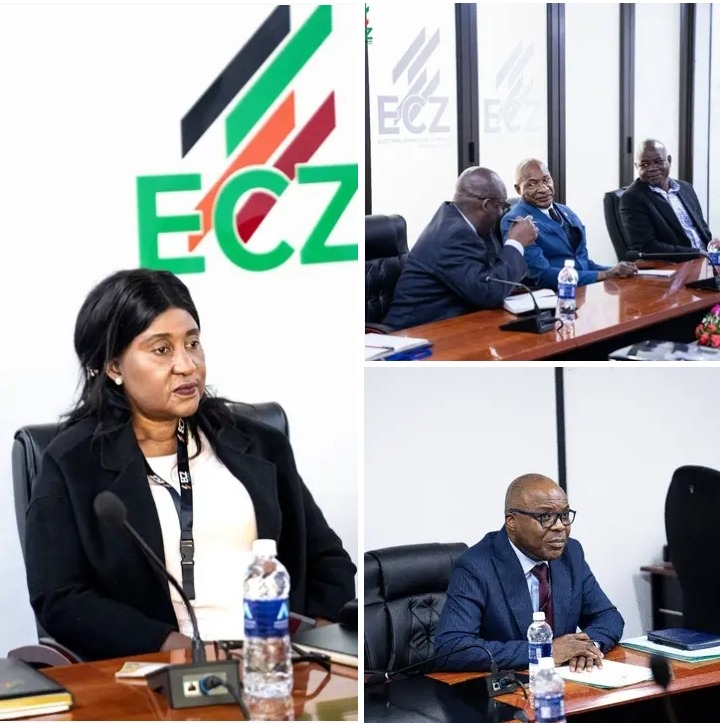
The Electoral Commission of Zambia (ECZ) has finalized the procedure for distributing 40 newly established proportional representation seats within the National Assembly, with the allocation details now public. This significant undertaking marks a new phase in the country's legislative composition, aiming to ensure a more equitable distribution of political influence among parties. The ECZ previously convened an orientation meeting for qualifying parties as part of this process. This session brought together representatives from the two political parties that have met the necessary qualifications to participate in the allocation of these seats. The engagement served as a crucial first step, outlining the methodology and guidelines for the distribution. Among the entities present and confirmed as a qualifying participant was the National Reconciliation Party for Unity and Prosperity. The involvement of these parties underscores the direct impact this allocation will have on their representation and overall standing within the Zambian political landscape.
Understanding Proportional Representation in Zambia
The introduction of these 40 new proportional representation seats signifies an important development for the Zambian National Assembly allocation process. Proportional representation systems are generally designed to ensure that a political party's share of seats in the legislature closely reflects its share of the popular vote, thereby enhancing fairness in political party seat distribution Zambia. This mechanism aims to provide a voice to parties that might otherwise struggle to gain representation under a purely majoritarian system. The Electoral Commission of Zambia, as the body responsible for overseeing electoral processes, plays a pivotal role in meticulously managing this allocation to uphold the principles of fairness and transparency. Their mandate includes not only conducting elections but also ensuring that the subsequent distribution of legislative seats accurately reflects the electoral outcomes as intended by the new proportional representation framework.
Implications for Legislative Composition
The allocation of these 40 proportional representation seats by the ECZ Zambia has inevitably reshaped the dynamics and composition of the National Assembly. This expansion of legislative representation offers an opportunity for a broader spectrum of political ideologies and interests to be directly involved in national policymaking and debate. The inclusion of parties like the National Reconciliation Party for Unity and Prosperity, alongside the other qualifying entity, highlights the potential for increased diversity within the parliamentary ranks. For legal professionals advising political parties or engaged in electoral law in Zambia, closely monitoring the ECZ's allocation process for these new proportional representation seats is paramount. The outcome will directly impact legislative composition, potentially altering power balances and legislative agendas. Furthermore, the intricacies of this new allocation mechanism may present grounds for legal challenges or necessitate strategic advice for parties seeking to maximize their representation or contest the process, making it a critical area of focus for electoral jurisprudence.
Practical Implications
Lawyers advising political parties or involved in electoral law in Zambia should closely monitor the ECZ's allocation process for these new proportional representation seats, as the outcome will directly impact legislative composition and may present grounds for legal challenges or strategic advice.
Source
How does this affect you?
Get an AI analysis of this article grounded in your jurisdictions, practice areas, and any policy documents you've uploaded to Wansom.
Finish Reading the Full Story and the Expert Analysis.
Get the latest legal & regulatory intelligence in Zambia
Wansom is AI and can make mistakes.