
Zambia DPP: Sean Tembo Insult Case Discontinued, Conditional Release
Summary
- Former PeP leader Sean Tembo was released from court after the Director of Public Prosecutions (DPP) discontinued his case.
- Tembo had been charged with using insulting language against President Hakainde Hichilema.
- The court explicitly informed Tembo that he was free but could be "called back" to face the charges.
- The DPP holds significant discretionary power to discontinue criminal proceedings in Zambia, even in high-profile cases.
- This conditional discontinuation means the charges against Tembo could be reinstated at a later date.
What Happened
The state's capacity to discontinue criminal proceedings while simultaneously reserving the option to reinstate them introduces an inherent element of uncertainty for defendants.
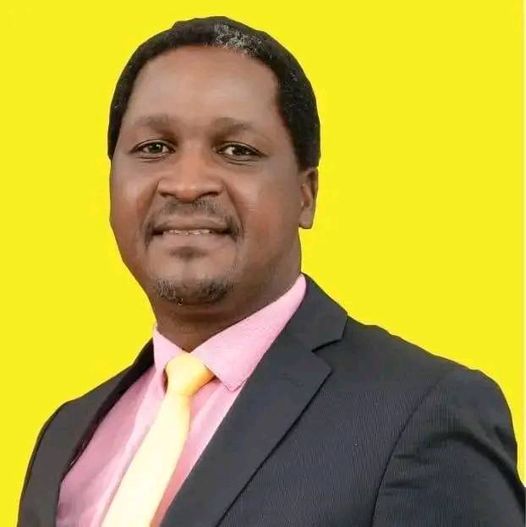
Former Facebook politician and former leader of the Patriots for Economic Progress (PeP), Sean Tembo, recently secured his release from court following a decision by the Director of Public Prosecutions (DPP) to discontinue the criminal proceedings against him. Tembo had been facing a charge of using insulting language, specifically directed at the incumbent President Hakainde Hichilema. This development marks a notable turn in a case that had garnered significant public and media attention due to the nature of the allegations and the high-profile individuals involved.
Upon his release, the court conveyed a distinct message to Tembo, stating, "You are free but we can call you back." This explicit caveat indicates that while the immediate prosecution has been halted, the potential for the charges to be reinstated at a future date remains. This conditional freedom is a critical detail, highlighting the specific legal mechanisms and discretionary powers at play within Zambia's justice system concerning the cessation of criminal cases, particularly those initiated by the state against political figures.
Legal Context
The decision by the Director of Public Prosecutions to discontinue criminal proceedings against Sean Tembo exemplifies the broad discretionary powers conferred upon the DPP's office under Zambian law. This authority enables the DPP to halt prosecutions at various stages of a case, even in high-profile matters that involve prominent political personalities and allegations against the head of state. Such discontinuations, often exercised without a requirement for extensive public justification, carry substantial implications for both the accused and the broader legal landscape.
A particularly salient feature of this specific discontinuation is its conditional nature, as articulated by the court's warning that Tembo could be "called back." This phrasing underscores that a nolle prosequi, or the exercise of prosecutorial discretion to cease proceedings, does not always constitute a permanent acquittal or an absolute termination of the legal matter. Instead, it can function as a temporary suspension, allowing the state the prerogative to potentially revive the charges should new evidence emerge, or if there are shifts in circumstances, thereby maintaining a degree of legal leverage over the individual previously charged. This mechanism ensures that the state retains flexibility in its prosecutorial strategy.
Why It Matters
The discontinuation of the Sean Tembo case in Zambia, especially with the explicit judicial warning that he could be "called back," carries significant implications for understanding the interplay between political speech, criminal law, and prosecutorial discretion within the nation. This incident vividly illustrates the extensive authority vested in the Director of Public Prosecutions to shape the course of legal battles, even those concerning alleged insults against President Hichilema, the head of state. The outcome demonstrates that while an immediate release from custody may occur, the specter of potential future prosecution can linger indefinitely over an individual.
This case serves as a compelling example of how the Zambian legal system navigates sensitive matters that touch upon fundamental rights such as freedom of expression, balanced against the protection of public figures. The state's capacity to discontinue criminal proceedings while simultaneously reserving the option to reinstate them introduces an inherent element of uncertainty for defendants. It highlights a nuanced application of prosecutorial discretion, where a temporary reprieve does not necessarily signify a definitive end to legal jeopardy, particularly within politically charged environments where public discourse is closely scrutinized.
Practical Implications
This case highlights the Director of Public Prosecutions' (DPP) discretionary power to discontinue criminal proceedings in Zambia, even in high-profile cases. Lawyers should note that such discontinuations can be conditional, meaning charges may be reinstated, and should advise clients on the potential for recall in similar circumstances.
Source
How does this affect you?
Get an AI analysis of this article grounded in your jurisdictions, practice areas, and any policy documents you've uploaded to Wansom.
Finish Reading the Full Story and the Expert Analysis.
Get the latest legal & regulatory intelligence in Zambia
Wansom is AI and can make mistakes.