
Lusaka High Court: Jay Jay Banda Court Visit Maina Soko for Health Check
Summary
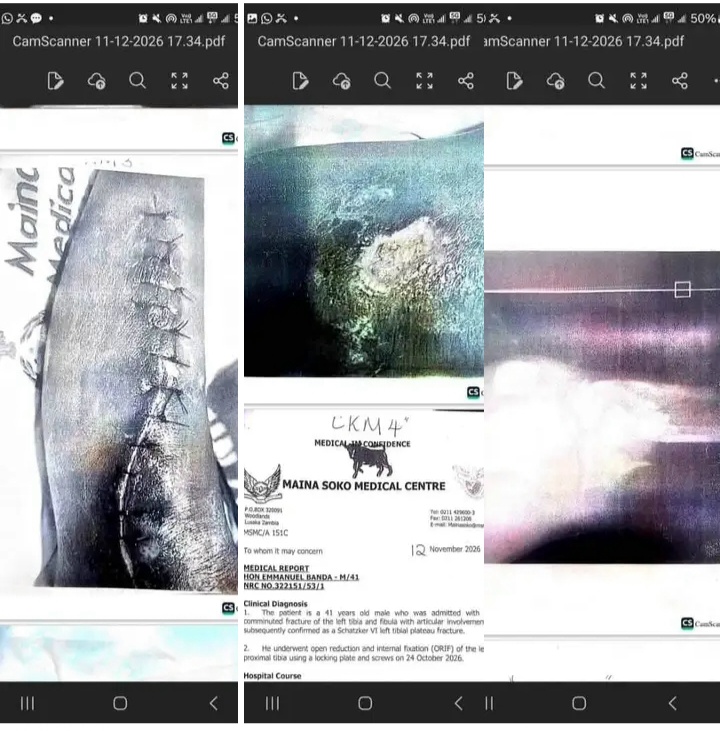
- The Lusaka High Court recently visited Maina Soko Military Medical Centre to verify the health of Emmanuel Jay Jay Banda.
- Banda is a detained former Member of Parliament for Petauke.
- Judge Geoffrey Mulenga ordered the visit after the State claimed doctors advised against Banda's court appearance.
- This action demonstrates the court's independent oversight of detainee health claims and state compliance.
What Happened
This proactive stance by the court serves as a critical safeguard against potential abuses or delays that could arise from unsubstantiated medical claims.
The Lusaka High Court recently undertook a direct visit to the Maina Soko Military Medical Centre. The primary purpose of this judicial intervention was to independently ascertain the health condition of Emmanuel Jay Jay Banda, a former Member of Parliament for Petauke, who is currently under detention. This on-site verification by the court represents a notable step in ensuring transparency regarding the welfare of individuals in state custody, particularly when their health becomes a central issue in legal proceedings.
The court's physical presence at the military medical facility allowed for a direct assessment of the circumstances surrounding Mr. Banda's health, moving beyond reliance solely on submitted reports. This proactive measure underscores the judiciary's commitment to its oversight responsibilities, especially when medical factors are introduced as reasons for a detainee's inability to appear in court, ensuring that all claims are thoroughly examined.
Judicial Mandate and State Compliance
This significant court visit was directly prompted by a prior order from Judge Geoffrey Mulenga, who had explicitly directed the State to present Mr. Banda before the court. However, the State subsequently communicated to the court that medical professionals had issued advice against Banda's physical appearance, citing specific health concerns that rendered him unfit for court attendance at that time. This presented a challenge to the court's initial directive.
Faced with this medical advisory from the State, Judge Mulenga exercised the court's inherent authority to conduct an independent verification of the claims. This decision highlights the judiciary's crucial role in ensuring compliance with its orders and scrutinizing any impediments, such as health issues, that might prevent a detainee from appearing. It demonstrates a judicial reluctance to accept such claims without independent corroboration, thereby reinforcing the integrity and impartiality of court proceedings.
Implications for Detainee Rights and Legal Practice
This development carries substantial implications for the rights of detained individuals and for legal practice within Zambia. It firmly establishes a precedent where the judiciary is prepared to actively verify the health status of detainees, especially when the State cites medical reasons for their non-appearance in court. This proactive stance by the court serves as a critical safeguard against potential abuses or delays that could arise from unsubstantiated medical claims, ensuring that due process is upheld.
For legal practitioners, this case underscores the importance of seeking judicial oversight when the health of their detained clients becomes a contentious issue. It provides a clear example of the court's willingness to intervene directly to ensure that the State adheres to its obligations to produce clients and that any medical assessments are credible and transparent. This judicial action reinforces the principle that the State's duty of care for detainees is subject to rigorous court scrutiny, ensuring that justice is administered fairly and transparently for all parties involved and strengthening public confidence in the judicial system's commitment to individual welfare.
Practical Implications
This development underscores the court's active role in verifying the health status of detained individuals, particularly when the State cites medical reasons for non-appearance. Lawyers representing detained clients should note this precedent for seeking judicial oversight of health assessments and ensuring the State's compliance with orders to produce clients in court, even under medical advisories.
Source
How does this affect you?
Get an AI analysis of this article grounded in your jurisdictions, practice areas, and any policy documents you've uploaded to Wansom.
Finish Reading the Full Story and the Expert Analysis.
Get the latest legal & regulatory intelligence in Zambia
Wansom is AI and can make mistakes.