
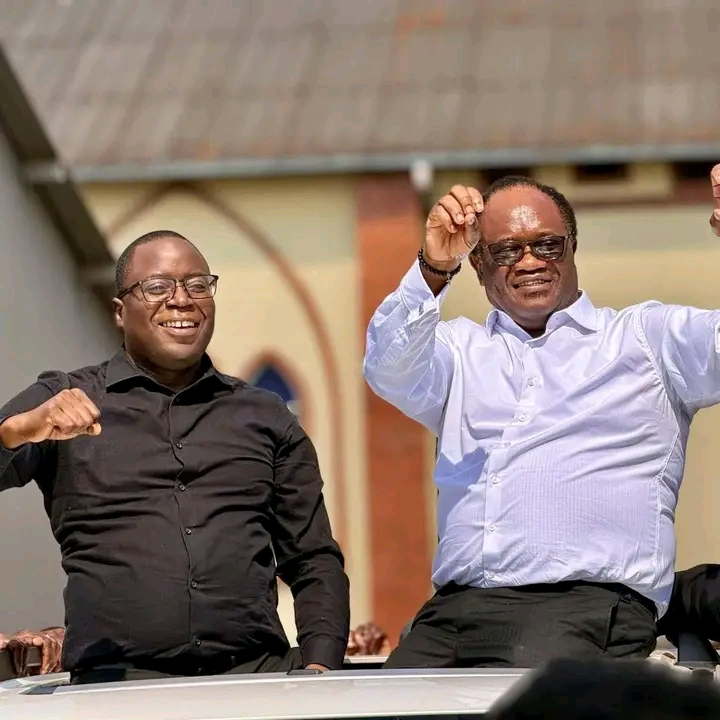
Zambia DPP: Opposes Mundubile, Zulu Constitutional Bail
Summary
- The Zambian Director of Public Prosecutions has opposed the constitutional bail application for opposition leader Brian Mundubile, who was a presidential candidate, his former running mate Makebi Zulu, and 16 others.
- The State argues that the applicants' political influence could enable them to flee the country.
- The DPP also contends that their influence poses a risk of interference with prosecution witnesses.
- These concerns are cited as reasons to keep the accused in detention.
The Bail Opposition
For legal practitioners tasked with representing clients who occupy prominent public or political positions, the DPP's stance in this matter offers crucial insights into the challenges they are likely to encounter.
The Zambian State, acting through the Director of Public Prosecutions (DPP), has formally lodged an objection against a constitutional bail application put forth by opposition leader Brian Mundubile, who was a presidential candidate, and his former running mate Makebi Zulu, and sixteen other individuals. This significant legal maneuver indicates the State's firm stance that these high-profile applicants should not be released from detention pending their trial. The opposition specifically targets the request for constitutional bail, a mechanism often sought to ensure fundamental rights are upheld during pre-trial proceedings.
The core of the DPP's argument against granting bail to Mundubile, Zulu, and their co-accused rests on two primary concerns: the potential for them to abscond from the country and the risk of them interfering with prosecution witnesses. These concerns are directly linked by the State to the applicants' considerable political influence. The State contends that their prominent positions and connections could be leveraged to undermine the judicial process, either by facilitating their escape from jurisdiction or by compromising the integrity of witness testimonies.
Legal Grounds for Objection
A central tenet of the Zambia Director of Public Prosecutions' opposition to the Brian Mundubile bail application and Makebi Zulu constitutional bail is the assertion that the applicants' political influence renders them a significant flight risk. The DPP has articulated that the very nature of their public standing and network could provide them with the means and opportunity to evade justice by leaving the country. This argument posits that the usual assurances provided for bail, such as fixed abode or sureties, might be insufficient to mitigate the risk posed by individuals with such extensive connections.
Furthermore, the State has explicitly cited witness interference bail grounds as another critical reason for denying their release. The DPP argues that the political power and social standing of Mundubile, Zulu, and the other accused could enable them to directly or indirectly influence, intimidate, or tamper with individuals who are expected to provide evidence for the prosecution. This concern is paramount in ensuring a fair trial, as any compromise to witness integrity could severely prejudice the State's case. The State maintains that continued detention is the only viable measure to safeguard against both potential flight and witness tampering, thereby preserving the sanctity of the legal process.
Broader Significance
This particular case serves as a compelling illustration of the stringent and often unyielding approach adopted by the Zambia Director of Public Prosecutions when confronting bail applications involving individuals who possess considerable public and political profiles. The detailed arguments presented by the DPP, focusing intently on the risks of political influence flight risk and witness interference, establish a clear precedent for how the State intends to handle similar high-stakes situations. It highlights a judicial environment where the perceived power of an accused person can significantly impact their pre-trial liberty.
For legal practitioners tasked with representing clients who occupy prominent public or political positions, the DPP's stance in this matter offers crucial insights into the challenges they are likely to encounter. Any future Brian Mundubile bail application or comparable request for constitutional bail for high-profile individuals will almost certainly face robust opposition grounded in concerns about their capacity to flee or to influence witnesses. Consequently, defense strategies must be meticulously developed to preemptively address and effectively counter these specific objections, requiring a deep understanding of how to demonstrate that such risks can be adequately mitigated without resorting to continued detention.
Practical Implications
This case highlights the stringent arguments the Zambian DPP employs to oppose bail for politically exposed persons, particularly concerning flight risk and witness interference. Lawyers representing clients with significant public profiles should anticipate and prepare robust counter-arguments against these specific grounds when making bail applications.
Source
How does this affect you?
Get an AI analysis of this article grounded in your jurisdictions, practice areas, and any policy documents you've uploaded to Wansom.
Finish Reading the Full Story and the Expert Analysis.
Wansom is AI and can make mistakes.