
Zambia: Article 106(3) Term Limits Face Amendment Petitions
Summary
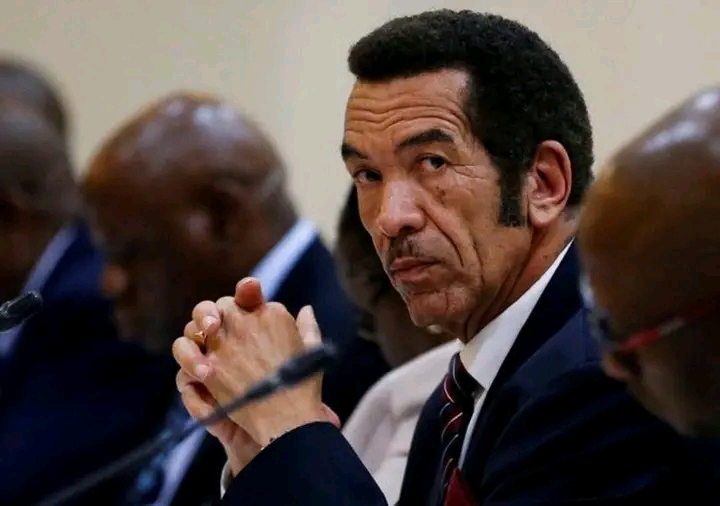
- Former Botswana President Ian Khama has cautioned that Zambia may be moving towards eliminating presidential term limits.
- This warning follows the submission of three petitions to the Zambian Parliament seeking to amend Article 106(3) of the Constitution.
- Khama's statement was made in response to an announcement by Zambia's Justice Minister, Jack Mwiimbu, that the Government "will not [...]".
- Modifying Article 106(3) could significantly alter Zambia's governance structure and executive powers.
- Legal professionals are advised to monitor the legislative process due to potential impacts on political stability and the investment climate.
What Happened
Any changes to presidential term limits could significantly alter the country's governance structure, potentially impacting political stability, investment climate, and the interpretation of executive powers, requiring proactive risk assessment and client advisories.
Former Botswana President Ian Khama has recently issued a cautionary statement regarding the political trajectory of Zambia. Khama's concern centers on the possibility that Zambia is moving towards the removal of established presidential term limits, a development he views with apprehension. This warning from the former head of state follows the formal submission of three distinct petitions to the Zambian Parliament, each advocating for modifications to Article 106(3) of the nation's Constitution. The impetus for Khama's public declaration appears to be a recent announcement made by Zambia's Justice Minister, Jack Mwiimbu. Minister Mwiimbu's statement indicated that the Zambian Government "will not [...]". Khama's reaction underscores a significant regional interest in Zambia's adherence to democratic principles, particularly concerning the tenure of its highest office. The submission of these petitions signals a formal legislative process potentially underway to review the existing framework for presidential eligibility and duration in office.
Legal Context
At the heart of the current debate is Zambia Article 106(3) of the Constitution, a critical provision that typically defines the parameters for presidential terms. In many constitutional democracies, such articles are fundamental to ensuring regular transfers of power and preventing the concentration of authority in a single individual for an indefinite period. The petitions submitted to Parliament represent a formal mechanism through which citizens or groups can propose changes to the nation's foundational legal document, initiating a legislative review process that could lead to a Zambia constitutional amendment Article 106(3). The process of amending a constitution, especially concerning core democratic tenets like presidential term limits, is often designed to be rigorous, requiring significant parliamentary and sometimes public consensus. The fact that three Zambian presidential term limit petitions have been lodged suggests a concerted effort to bring this issue to the forefront of the national political agenda. Lawyers and compliance officers in Zambia should closely monitor the legislative process concerning the proposed amendments to Article 106(3) of the Constitution, as any changes would have profound legal and governance implications.
Why It Matters
The potential for Zambia to move towards what Ian Khama Zambia presidential term limits warning described as "unlimited presidential rule" carries substantial implications for the country's democratic health and its standing within the international community. Altering constitutional provisions that limit presidential tenure can fundamentally reshape a nation's political landscape, potentially impacting the balance of power, institutional checks and balances, and the overall stability of governance. Such changes could also influence the investment climate, as political predictability and adherence to democratic norms are often key considerations for foreign investors. For legal professionals and compliance officers, the unfolding situation demands careful attention. Any changes to presidential term limits could significantly alter the country's governance structure, potentially impacting political stability, investment climate, and the interpretation of executive powers, requiring proactive risk assessment and client advisories. The involvement of Justice Minister Jack Mwiimbu Zambia in the public discourse further highlights the official engagement with these petitions. The outcome of these Zambian presidential term limit petitions and the legislative response will be a critical indicator of Zambia's commitment to its current constitutional framework and democratic evolution.
Practical Implications
Lawyers and compliance officers in Zambia should closely monitor the legislative process concerning the proposed amendments to Article 106(3) of the Constitution. Any changes to presidential term limits could significantly alter the country's governance structure, potentially impacting political stability, investment climate, and the interpretation of executive powers, requiring proactive risk assessment and client advisories.
Source
How does this affect you?
Get an AI analysis of this article grounded in your jurisdictions, practice areas, and any policy documents you've uploaded to Wansom.
Finish Reading the Full Story and the Expert Analysis.
Get the latest legal & regulatory intelligence in Zambia
Wansom is AI and can make mistakes.