
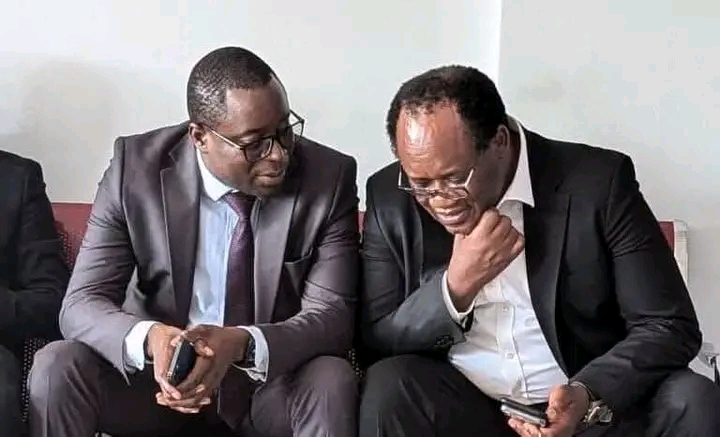
Zambia AG Denies Mundubile, Makebi Are Political Prisoners
Summary
- Zambia's Attorney General, Mulilo D. Kabesha, SC, stated that Brian Mundubile, Makebi Zulu, and others are not political prisoners.
- The accused face serious charges, including treason and terrorism, linked to alleged unlawful paramilitary training.
- Mulilo D. Kabesha, SC, asserts the government does not consider the arrests politically motivated and that due process is being followed.
- The Attorney General's remarks respond to the UN Special Rapporteur on the situation of human rights defenders, Andrea Bolaños Vargas, who called the treason charges "concocted."
- Andrea Bolaños Vargas had expressed concerns about shrinking civic space in Zambia and widespread arbitrary arrests of opposition figures.
Government Rejects 'Political Prisoner' Claims
The Attorney General's statement directly addresses concerns raised by a United Nations Special Rapporteur on Human Rights, signaling a clear divergence in perspective between the Zambian government and international observers regarding the legal standing of these detainees.
Zambia's Attorney General, Mulilo D. Kabesha, SC, has firmly asserted that individuals recently taken into custody by the Zambia Police Service, including prominent figures like Brian Mundubile and Makebi Zulu, are not being held as political prisoners. This declaration comes amidst growing international scrutiny regarding the nature of arrests in the country, particularly those involving opposition members and civil society actors. The Attorney General's statement directly addresses concerns raised by a United Nations Special Rapporteur on Human Rights, signaling a clear divergence in perspective between the Zambian government and international observers regarding the legal standing of these detainees.
Serious Charges and Due Process
The individuals in question, including Brian Mundubile and Makebi Zulu, have been formally charged with grave offenses, specifically treason and terrorism. According to Mulilo D. Kabesha, SC's statement, these charges stem from allegations that the accused were involved in sponsoring, aiding, and abetting unlawful paramilitary training activities. The Attorney General emphasized that the government views these as legitimate criminal matters, asserting that the legal proceedings are adhering to established due process.
This robust defense of the legal process by the Zambian Attorney General, Mulilo D. Kabesha, SC, aims to counter any perception that the arrests are arbitrary or politically motivated. The government's insistence on due process for those facing Zambia treason charges, despite claims of political targeting, sets a precedent for how similar cases will be handled and publicly framed. It highlights the government's commitment to prosecuting what it considers serious threats to national security through established legal channels.
International Concerns Over Civic Space
The Attorney General's statement directly responds to a report from the United Nations Special Rapporteur on the situation of human rights defenders, Andrea Bolaños Vargas. On September 2, Andrea Bolaños Vargas had voiced significant concerns about what she described as a shrinking civic space within Zambia. Her report specifically called for the release of Brian Mundubile, Makebi Zulu, and others facing treason charges, characterizing these accusations as "concocted."
Andrea Bolaños Vargas's critique extended beyond specific cases, citing what she identified as widespread arbitrary arrests targeting opposition leaders, parliamentarians, and civil society actors. The UN rapporteur stressed that a healthy democracy necessitates an environment where all voices, including those from opposition parties and journalists, can express themselves freely without fear of reprisal. This international perspective contrasts sharply with the Zambian government's assertion that the arrests are purely legal and not politically driven, highlighting a fundamental disagreement on the state of human rights and political freedoms in Zambia.
Practical Implications
Lawyers defending clients in Zambia facing politically sensitive charges, especially treason or terrorism, should note the Attorney General's firm stance against 'political prisoner' claims, indicating the government's commitment to prosecuting these cases under due process despite international scrutiny. This sets the official narrative for how such high-profile cases will be framed and potentially impacts defense strategies.
Source
Source: Original reporting via TV Yatu
How does this affect you?
Get an AI analysis of this article grounded in your jurisdictions, practice areas, and any policy documents you've uploaded to Wansom.
Finish Reading the Full Story and the Expert Analysis.
Wansom is AI and can make mistakes.