
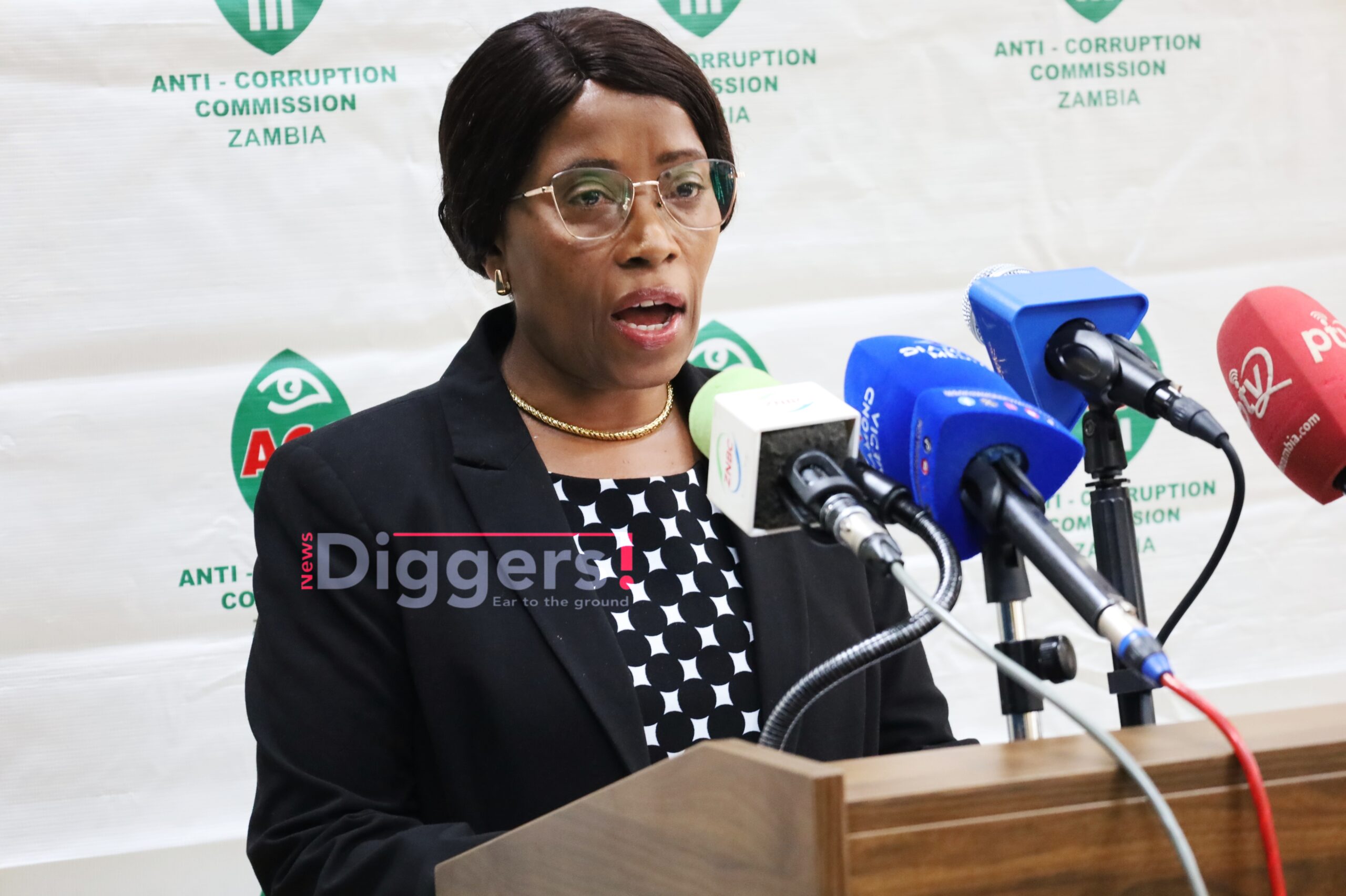
Zambia ACC: Probes 13 AG FIC Cases from 2025 Reports
Summary
- Zambia's Anti-Corruption Commission (ACC) is currently investigating 13 cases highlighted in 2025 reports.
- Seven cases stem from the Auditor General's report, and six from the Financial Intelligence Centre's report.
- ACC Director General Daphne Chabu confirmed that arrests are made only after gathering sufficient evidence, not based on rumors.
- This evidence-based strategy aims to secure convictions and enhance public confidence in the ACC's operations.
- In 2023, the ACC made 25 arrests related to cases from the 2021 Auditor General and Financial Intelligence Centre reports.
Current Investigations Underway
The core principle guiding the ACC's work, as articulated in Daphne Chabu's ACC statement, is a steadfast commitment to evidence-based investigations.
Zambia's Anti-Corruption Commission (ACC) is actively pursuing investigations into a total of thirteen cases that were highlighted in key national reports. Seven of these cases originated from the Auditor General's report for the year 2025, while the remaining six were identified in the Financial Intelligence Centre's (FIC) trends report, also covering 2025. These ongoing inquiries underscore the ACC's commitment to addressing financial irregularities and corruption within the country.
ACC Director General Daphne Chabu has clarified the Commission's operational approach, emphasizing that the Anti-Corruption Commission Zambia investigations are not initiated or concluded based on public speculation or media headlines. Instead, the ACC adheres to a rigorous process of evidence collection and thorough examination before any decisive action is taken. This methodical strategy is central to the Commission's mandate in combating corruption.
Upholding Evidence-Based Enforcement
The core principle guiding the ACC's work, as articulated in Daphne Chabu's ACC statement, is a steadfast commitment to evidence-based investigations. This means that arrests are only made when investigators have amassed sufficient proof to support a high probability of securing a conviction in court. This deliberate approach aims to prevent premature arrests that could undermine public trust and lead to unsuccessful prosecutions, thereby strengthening the overall effectiveness of Zambia anti-corruption law enforcement.
By focusing on prosecuting cases with a strong evidentiary foundation, the ACC seeks to maximize its success rate and demonstrate accountability. The Commission has urged the public to exercise patience and allow its teams to conduct their investigations without undue pressure for immediate arrests. The ACC has assured stakeholders that it will publicly disclose developments and outcomes once these complex inquiries are fully completed, reinforcing its transparent operational framework.
Precedent and Mandate
The current focus on the 2025 reports follows a similar pattern of enforcement actions taken by the ACC in the preceding year. In 2023, the Commission successfully apprehended ten individuals linked to cases identified in the 2021 Auditor General's report. Additionally, fifteen people were arrested in connection with matters flagged in the 2021 Financial Intelligence Centre report during the same period, demonstrating a consistent application of the ACC's investigative protocols.
As the primary institution mandated to investigate and prosecute corruption cases across Zambia, the ACC operates with a crucial degree of independence from political influence. This autonomy is vital for ensuring impartiality and effectiveness in its efforts to combat corruption. The ongoing Zambia ACC probes 13 AG FIC cases are a continuation of this mandate, reflecting the Commission's persistent efforts to uphold integrity and accountability within public and private sectors.
Practical Implications
Lawyers and compliance officers in Zambia should note the ACC's explicit commitment to evidence-based investigations over arrests based on rumors. This indicates that initial allegations may not immediately result in charges, providing an opportunity to prepare a robust defense focused on factual evidence during the investigative phase, rather than reacting to public or media speculation.
Source
How does this affect you?
Get an AI analysis of this article grounded in your jurisdictions, practice areas, and any policy documents you've uploaded to Wansom.
Wansom is AI and can make mistakes.