
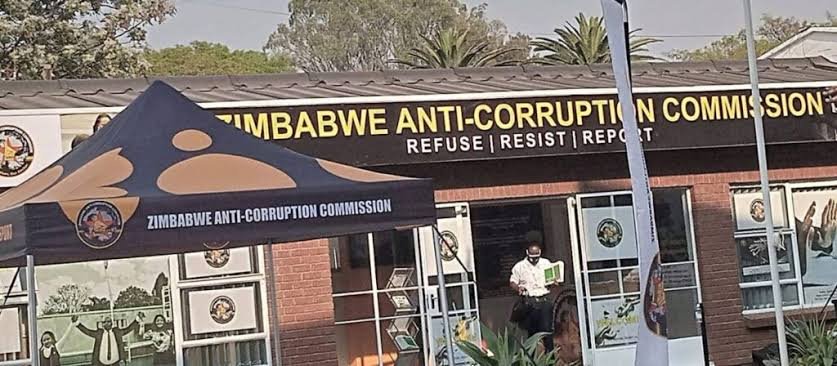
ZACC: Anti-Corruption Games Draw Criticism Amidst Low CPI
Summary
- The Zimbabwe Anti-Corruption Commission (ZACC) hosted a regional anti-corruption event, presenting it as a commitment to fighting corruption, while also celebrating sporting achievements from past games.
- Zimbabwe scored 22 out of 100 on Transparency International's Corruption Perceptions Index, ranking 157th globally, indicating persistent and significant corruption despite a minor one-point improvement.
- Critics argue that ZACC's focus on medals and exhibition prizes, and the event itself, risks confusing activity with genuine progress in combating corruption.
- While regional cooperation on cross-border financial crime has seen positive steps, the SADC lacks its own framework for measuring anti-corruption progress, relying on international indices that do not assess program effectiveness.
- Performative events cannot achieve critical anti-corruption goals such as judicial independence, transparent procurement, or the recovery of stolen public funds, highlighting a gap between public displays and systemic change.
ZACC's Public Anti-Corruption Display
Crucially, an anti-corruption institution's effectiveness is not enhanced simply because its officials convene under an anti-corruption banner or participate in sporting competitions.
The Zimbabwe Anti-Corruption Commission (ZACC) recently hosted a regional event under the theme “Scaling Up Integrity Actions Across SADC,” which was officially opened by Vice President Kembo Mohadi. ZACC presented this gathering as a significant regional demonstration of its commitment to combating corruption. Concurrently, the commission celebrated the transformation of Chinotimba Stadium into a permanent multi-sport facility for Matabeleland North, an initiative tied to the event.
Zimbabwe also aimed to improve upon its previous performance at anti-corruption games held in Namibia, where it secured three silver medals in netball and volleyball, alongside an award for being the Best Exhibitor. This focus on sporting achievements and exhibition prizes as metrics for an anti-corruption body's success has drawn criticism, raising questions about whether such activities genuinely reflect progress in the fight against systemic corruption.
Zimbabwe's Persistent Corruption Challenges
Despite the public display of commitment, corruption remains a significant governance challenge within Zimbabwe. The nation's standing in Transparency International’s latest Corruption Perceptions Index (CPI) underscores this reality, with Zimbabwe scoring 22 out of a possible 100 points and ranking 157th among 182 countries globally. While this represented a one-point improvement from the preceding year, it was characterized as technical progress rather than a fundamental transformation.
Transparency International Zimbabwe's executive director clarified that this marginal increase did little to alter the country's overall corruption outlook. Critics argue that events like the recent expo and games risk conflating mere activity with genuine progress, potentially diverting attention from the deep-seated issues that continue to plague the nation's governance structures.
Regional Efforts Versus Systemic Gaps
While bringing anti-corruption officials together for regional cooperation is acknowledged as valuable, particularly given the speed at which criminals can move money across borders compared to governmental information exchange, the broader framework for measuring progress in Southern Africa faces significant gaps. A notable positive development occurred in July, when anti-corruption agencies from Botswana, Zimbabwe, and Zambia convened a summit in Victoria Falls, leading to the establishment of a tripartite alliance specifically designed to address deficiencies in cooperation concerning cross-border financial crime.
However, the Southern African Development Community (SADC) itself lacks its own comprehensive framework for assessing anti-corruption progress. SADC's procurement documents for a study on this subject confirm its current reliance on international measures, such as Transparency International’s CPI. This index, while useful, primarily gauges perceptions of public-sector corruption and does not provide SADC with specific data on whether regional programs have effectively prevented corruption, enhanced investigations, or increased successful prosecutions. This distinction is crucial, as merely holding conferences, signing conventions, or establishing committees, despite the existence of agreements like the SADC Protocol Against Corruption, the African Union convention, and the UN global convention, does not inherently alter the underlying incentives that foster corruption.
The Limits of Performative Anti-Corruption
The three-day anti-corruption event, while capable of fostering solidarity, creating contacts, and generating publicity, falls short of addressing the fundamental requirements for effective anti-corruption efforts. Such gatherings cannot establish judicial independence, ensure transparent procurement processes, recover stolen public funds, or guarantee that investigators can pursue politically connected suspects, such as individuals like “Dhunda.”
Crucially, an anti-corruption institution's effectiveness is not enhanced simply because its officials convene under an anti-corruption banner or participate in sporting competitions. The danger lies not in the belief that a volleyball tournament will eradicate corruption, but rather in the distraction these performative activities create, diverting focus and resources from the arduous and essential work of implementing robust systemic reforms and enforcing existing commitments to combat corruption.
Practical Implications
This article indicates that despite public anti-corruption events by the Zimbabwe Anti-Corruption Commission (ZACC), the underlying systemic corruption issues in Zimbabwe persist, and institutional effectiveness is questioned. Lawyers and compliance officers advising clients on operations or investments in Zimbabwe should not be swayed by performative anti-corruption activities, but rather maintain a high level of vigilance, conduct robust due diligence, and focus on concrete enforcement actions and systemic reforms, as the risk of corruption remains significant.
Source
How does this affect you?
Get an AI analysis of this article grounded in your jurisdictions, practice areas, and any policy documents you've uploaded to Wansom.
Finish Reading the Full Story and the Expert Analysis.
Get the latest legal & regulatory intelligence in Zimbabwe
Wansom is AI and can make mistakes.