
Yaoundé Hotel Salvador Femicide Legal Gap: Tragic Killing Exposes Crisis
Summary
- A woman was fatally stabbed by a man in a hotel room in Yaoundé on August 25, 2026, with the assailant apprehended by local youth.
- The incident occurred at the Hotel Salvador in Yaoundé V, and the victim's identity remains unknown as gendarmes investigate.
- Cameroon has experienced an alarming increase in femicides, with government data showing a 54% rise in reported cases from 50 in 2023 to 77 in 2025.
- Women's rights organizations, including ALVF, criticize the lack of a specific legal framework to criminalize femicide in Cameroon, arguing it leads to lenient sentences.
- Public figures and civil society are demanding stronger justice and legal reforms to address the systemic issues and rising violence against women.
Incident at Hotel Salvador
A significant concern raised by women's rights advocates, such as the Association for the Fight Against Violence Against Women (ALVF), is the absence of a specific legal framework in Cameroon that explicitly criminalizes femicide.
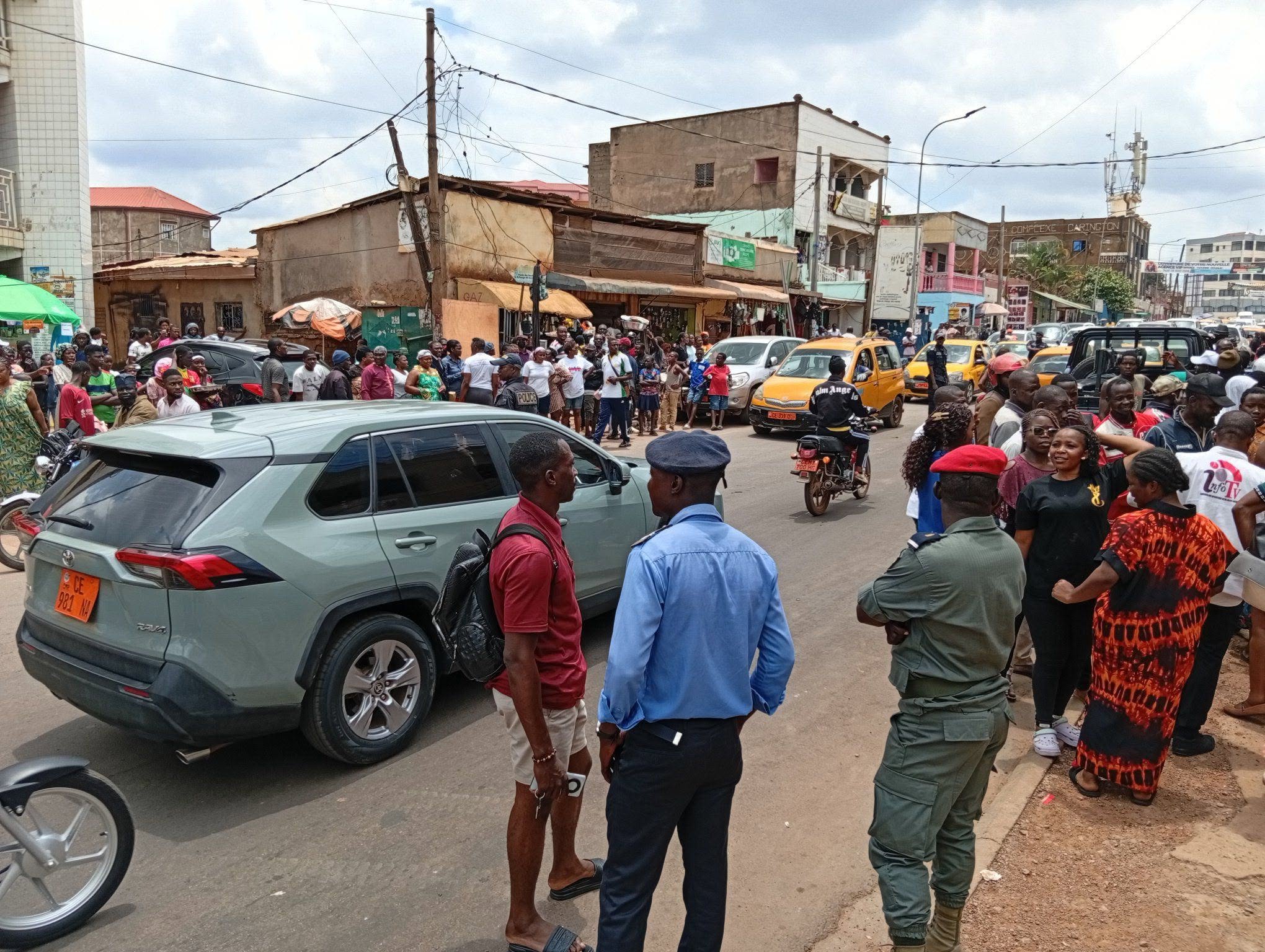
On Tuesday, August 25, 2026, a tragic incident unfolded at the Hotel Salvador, located on Rue Fouda in Yaoundé V, Cameroon, drawing significant public attention. A man, reportedly in his thirties, fatally stabbed a woman within one of the hotel's rooms. Following the attack, the assailant attempted to escape the scene but was quickly apprehended by local residents from the neighborhood, who then returned him to the site of the crime.
Authorities, specifically gendarmes from the Ngousso brigade, promptly arrived at the hotel to secure the area and commence preliminary investigations. At the time of reporting, the identity of the female victim had not yet been established. An official inquiry is now underway to determine the precise motive and circumstances surrounding this violent act.
Cameroon's Alarming Femicide Trend
This recent tragedy in Yaoundé underscores a deeply troubling and escalating crisis of femicide across Cameroon. The nation has been grappling with an alarming resurgence in the killing of women, a trend that has seen a continuous rise in reported cases over recent years, according to both governmental data and civil society observations. Official statistics reveal a stark increase: 50 women were killed in 2023, followed by 67 in 2024, and a further jump to 77 in 2025.
This data represents a significant 54% increase in femicide cases over just two years, highlighting the accelerating nature of the problem. The year 2026 continues to reflect this worsening situation, with new incidents being recorded on a monthly basis. A substantial majority of these violent crimes are perpetrated within intimate relationships, often by current or former partners, and frequently occur amidst a backdrop of societal silence or indifference.
The Critical Legal Gap
A significant concern raised by women's rights advocates, such as the Association for the Fight Against Violence Against Women (ALVF), is the absence of a specific legal framework in Cameroon that explicitly criminalizes femicide. This critical legal gap means that such gender-based killings are not prosecuted under a distinct charge, which critics argue often results in penalties that are perceived as unduly lenient for the perpetrators. The lack of a dedicated law fails to acknowledge the unique nature and systemic roots of these crimes.
This legislative void is a central point of contention for those demanding more robust justice. Public figures, including renowned footballer Ajara Nchout Njoya, have joined civil society organizations in vocally advocating for a firmer judicial response to these killings. Their calls emphasize the urgent need for legal reforms that would specifically address and penalize femicide, ensuring that the severity of these crimes is adequately reflected in sentencing.
Systemic Discrimination and Social Pressures
The pervasive issue of femicide in Cameroon is deeply entrenched in broader societal challenges, extending beyond individual acts of violence. It is rooted in the heavy burden of social pressures and systemic discrimination that profoundly impact the autonomy and security of women throughout the country. These underlying factors create an environment where violence against women can proliferate, often without adequate societal or legal deterrence.
Addressing the rising tide of femicide, as exemplified by the Yaoundé Hotel Salvador femicide legal gap, therefore requires a comprehensive approach. This includes not only strengthening legal provisions but also confronting the deeply ingrained social norms and discriminatory practices that contribute to the vulnerability of women and perpetuate gender-based violence.
Source
How does this affect you?
Get an AI analysis of this article grounded in your jurisdictions, practice areas, and any policy documents you've uploaded to Wansom.
Wansom is AI and can make mistakes.