
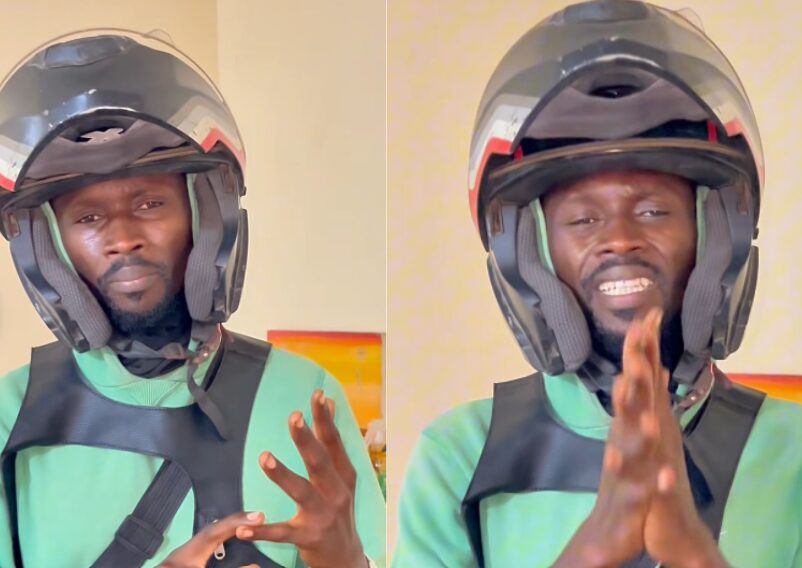
Senegal: Xkara TikToker Arrested for Defamation Over Police Video
Summary
- Two individuals were arrested and referred to the prosecutor's office by the Commissariat d’arrondissement des Parcelles Assainies in Senegal.
- They are accused of disseminating a viral TikTok video containing allegations against a female police officer.
- The video, shared on "Défense moto Sénégal" and "Xkara" accounts, claimed the officer received 200,000.
- The incident highlights legal risks for online content creators in Senegal regarding defamation and 'fake news' against public officials.
- This case underscores the need for factual accuracy and due diligence in online statements to avoid criminal charges.
What Happened
This case reinforces the legal risks associated with online content creation in Senegal, particularly concerning defamation and the dissemination of 'fake news' against public officials.
Two individuals have been apprehended and subsequently referred to the prosecutor's office by authorities at the Commissariat d’arrondissement des Parcelles Assainies in Senegal. This action follows accusations that they disseminated a TikTok video containing allegations against a female police officer. The incident underscores the increasing scrutiny faced by online content creators in the region, particularly those whose posts gain significant traction and make claims against public figures.
The referral to the prosecutor's office indicates the seriousness with which Senegalese law enforcement is treating the allegations of defamation and the spread of potentially false information. The individuals, one of whom is associated with the "Xkara" account, now face formal legal proceedings concerning their online activities. This development highlights a growing trend of legal action against social media users in Senegal for content deemed critical or misleading, especially when it targets law enforcement personnel.
The Allegations
The core of the legal action stems from a TikTok video that rapidly achieved viral status across social media platforms. This particular video, which was circulated via accounts identified as "Défense moto Sénégal" and "Xkara," presented specific claims concerning a police agent. The content creators asserted that the female officer had allegedly received a sum of 200,000. The precise context or currency of this alleged transaction was not detailed in the original report, but the implication of impropriety was clear.
These accusations, disseminated widely through the popular video-sharing platform, directly targeted the integrity of a public official. The nature of the claims, implying potential misconduct, prompted the swift intervention of the authorities. The incident serves as a stark reminder of the potential legal repercussions for individuals who publish unverified or critical statements about public servants online, especially when such content gains widespread visibility and is perceived as defamatory.
Legal Context in Senegal
The arrest and subsequent referral of the TikToker and an associate to the prosecutor's office in Senegal are set against a backdrop of stringent laws concerning defamation and the dissemination of what is often termed "fake news." Senegalese legal frameworks provide avenues for public officials to pursue criminal charges against individuals who make unsubstantiated claims that damage their reputation or spread misinformation. This case, involving the Xkara TikToker, exemplifies the application of these laws in the digital sphere, demonstrating the risks associated with online criticism of state agents.
In Senegal, online content creators must navigate a legal landscape where critical commentary, if not factually sound, can quickly escalate into serious criminal matters. The accusations of false news and defamation against the police officer fall squarely within the scope of offenses that can lead to prosecution, highlighting the legal vulnerability of those who publish unverified content. This legal environment necessitates careful consideration of content before publication, particularly when it involves allegations against governmental or law enforcement personnel, to avoid charges of Xkara diffamation police Sénégal.
Why It Matters
This incident carries significant implications for the landscape of online expression and content creation within Senegal. It sends a clear message to individuals operating on platforms like TikTok that accusations against public officials, especially those that go viral, will be met with robust legal scrutiny. The case underscores the critical need for due diligence and factual accuracy in all online postings, particularly when they involve sensitive subjects or individuals in positions of authority, to prevent a fake news arrest Senegal.
For legal professionals, this situation highlights the growing importance of advising clients with an online presence about the potential for criminal charges stemming from critical or unverified statements. The Xkara TikToker arrest serves as a potent example of how quickly online content can transition from social commentary to a legal challenge, emphasizing the necessity for creators to understand and adhere to national laws regarding defamation and the spread of misinformation. This case reinforces the legal risks associated with online content creation in Senegal, particularly concerning defamation and the dissemination of 'fake news' against public officials.
Practical Implications
This case highlights the legal risks associated with online content creation in Senegal, particularly concerning defamation and the dissemination of 'fake news' against public officials. Lawyers should advise clients with an online presence on the potential for criminal charges for critical or unverified statements made on social media platforms like TikTok, emphasizing the need for due diligence and factual accuracy to avoid legal repercussions.
Source
How does this affect you?
Get an AI analysis of this article grounded in your jurisdictions, practice areas, and any policy documents you've uploaded to Wansom.
Wansom is AI and can make mistakes.