
X Ninth Circuit: Judges Skeptical of Data Scraping Suit Against CCDH
Summary
- X is appealing a lower court's decision that protected the Center for Countering Digital Hate (CCDH) under the First Amendment from X's data scraping lawsuit.
- X claims CCDH's data scraping and reports caused millions in lost ad revenue and breached X's terms of service.
- Judges on the Ninth Circuit panel expressed skepticism regarding the direct link between CCDH's actions and X's alleged economic damages, as well as claims of privacy invasion for public data.
- X also alleged a Computer Fraud and Abuse Act (CFAA) violation involving non-public data accessed via Brandwatch through the European Climate Foundation, but judges doubted the 'unauthorized access' claim.
- CCDH argues the lawsuit is an anti-SLAPP action designed to punish free speech and that no terms of service were breached.
X Seeks to Revive Data Scraping Suit Against Hate Speech Monitor
This Ninth Circuit data scraping appeal could establish a critical precedent on the enforceability of platform terms of service against data scraping, the scope of First Amendment protection for data analysis, and the interpretation of 'unauthorized access' under the CFAA.
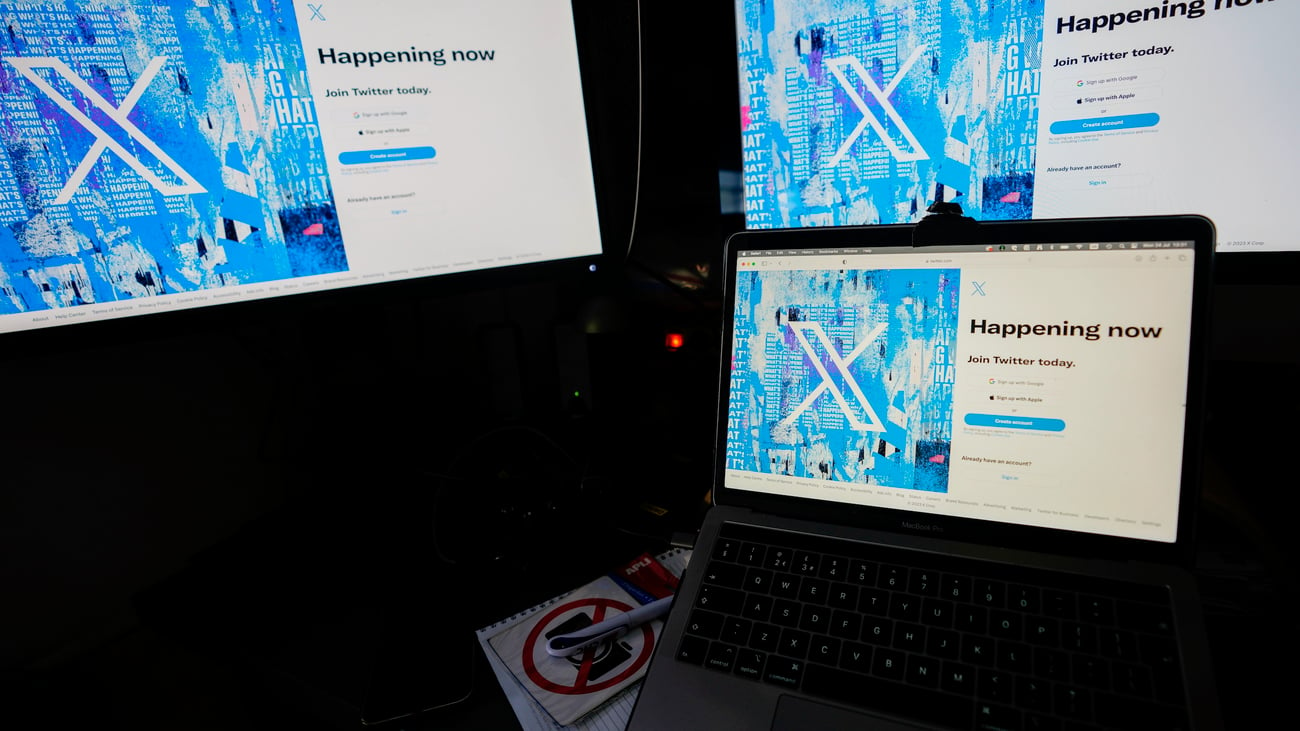
X, formerly known as Twitter, has appealed to the Ninth Circuit, seeking to overturn a lower court's decision that protected the Center for Countering Digital Hate (CCDH) under the First Amendment. The social media platform initiated legal action against the nonprofit last year, alleging that CCDH's reports on content hosted on X led to a significant loss of advertising revenue, amounting to millions of dollars. The core of X's argument is that CCDH's activities, particularly its data scraping practices, constituted a breach of the platform's terms of service and caused direct economic harm, rather than being a protected exercise of free speech.
Representing X, attorney Peter Patterson of Cooper & Kirk presented the company's case to a Ninth Circuit panel, contending that the dispute centers on privacy invasion and the financial repercussions of CCDH's reports, not on freedom of expression. Patterson asserted that damages are permissible even when speech is involved, given that CCDH allegedly violated X's terms of service by scraping content for its analyses. He emphasized that the legal question revolves around specific economic losses incurred by X, as opposed to mere reputational damage.
Judicial Scrutiny on Damages and Public Data Access
The appeals court judges expressed considerable skepticism regarding X's claims, particularly concerning the causal link between CCDH's actions and the alleged financial losses. U.S. Circuit Judge Eric D. Miller, a Donald Trump appointee, questioned the attenuated nature of X's claim for contract damages, noting the multi-step process from data scraping to report publication, public reaction, and subsequent advertiser withdrawal. Patterson maintained that the veracity of CCDH's statements was irrelevant, arguing that the nonprofit should have anticipated X's business losses given its stated objective to "obtain data of this sort and publish reports causing these types of harm."
Judges also voiced doubts about X's assertion of privacy violations stemming from CCDH's scraping of publicly available content. Senior U.S. Circuit Judge Andrew D. Hurwitz, a Barack Obama appointee, pointed out that any user logging onto X could access the same public posts, thereby undermining X's argument regarding platform security and unauthorized access to public information. This line of questioning highlighted the challenge X faces in proving a privacy breach when the data in question is openly accessible.
Computer Fraud and Abuse Act Allegations
Beyond the terms of service dispute, X also accused CCDH of violating the Computer Fraud and Abuse Act (CFAA) through unauthorized access to non-public data. This specific claim involved data allegedly provided to the Dutch-based nonprofit European Climate Foundation (ECF) via Brandwatch, a brand monitoring platform that partners with X. Patterson argued that sharing ECF's Brandwatch credentials constituted a prohibited act, asserting a conspiracy between ECF and CCDH U.S. to target and harm an American company's data within the United States.
However, the appellate judges again appeared unconvinced by X's arguments regarding unauthorized access under the CFAA. Judge Hurwitz specifically questioned whether X had adequately demonstrated that Brandwatch considered the access unauthorized, noting that Brandwatch's contract with ECF seemingly anticipated that ECF might have other customers and users who could be granted access. This judicial skepticism suggests a high bar for proving a CFAA violation in this context, especially when contractual agreements might permit broader data sharing than X alleges.
Legal Precedent and Anti-SLAPP Defense
Dennis Brandon Trice of Kaplan Martin, representing CCDH, urged the panel to uphold the lower court's ruling, emphasizing that the initial dismissal was correctly based on a state anti-SLAPP statute. Trice characterized X's lawsuit as an attempt to punish the defendants for their speech, a key tenet of anti-SLAPP legislation. He further contended that CCDH did not breach the terms of service for either X or the European Climate Foundation, asserting that ECF had a clear understanding that it could authorize others to access Brandwatch data.
This Ninth Circuit data scraping appeal could establish a critical precedent on the enforceability of platform terms of service against data scraping, the scope of First Amendment protection for data analysis, and the interpretation of 'unauthorized access' under the CFAA. Trice also cautioned against remanding the case to allow X to amend its complaint, suggesting that Elon Musk frequently uses such amendments to suppress adversaries. Judge Miller, however, countered that "Even rich plaintiffs are entitled to liberal amendment," indicating a potential willingness to allow X further opportunities to refine its legal arguments.
Practical Implications
This case could establish a critical precedent on the enforceability of platform terms of service against data scraping, the scope of First Amendment protection for data analysis, and the interpretation of 'unauthorized access' under the CFAA. Lawyers advising tech companies on data governance, content moderation, or intellectual property, and compliance officers dealing with data access policies, should monitor the Ninth Circuit's decision for clarity on the boundaries of permissible data scraping and the enforceability of platform terms against such practices.
Source
How does this affect you?
Get an AI analysis of this article grounded in your jurisdictions, practice areas, and any policy documents you've uploaded to Wansom.
Finish Reading the Full Story and the Expert Analysis.
Get the latest legal & regulatory intelligence in United States
Wansom is AI and can make mistakes.