
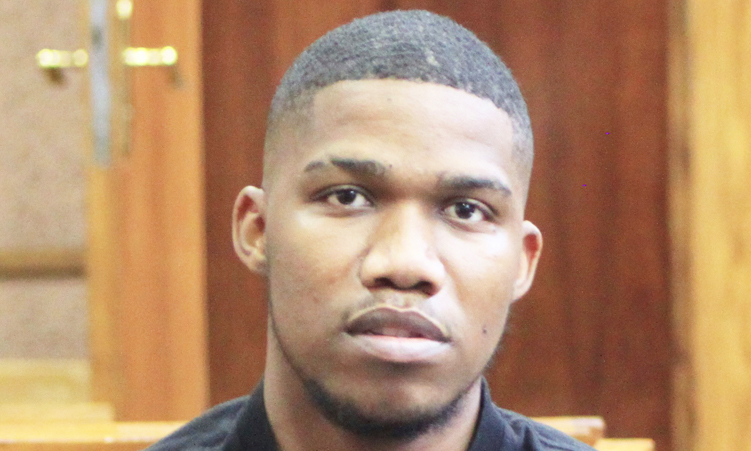
Windhoek Transgender Murder Plea Consideration: Nandomba, Beukes Seek Guilty Pleas
Summary
- The Namibian state is currently considering plea offers from two men accused of a brutal murder.
- Elias Nandomba, 20, and Mervin Beukes, 21, are charged with killing a transgender woman in Windhoek two years ago.
- Defense and prosecution lawyers are actively negotiating the potential for guilty pleas in this high-profile case.
- The Windhoek transgender murder plea consideration marks a critical stage in the legal proceedings.
Plea Negotiations Underway in Windhoek Murder Case
The ongoing evaluation of pleas in the Windhoek transgender murder case holds significant implications, not only for the accused and the victim's community but also for the broader understanding of justice in Namibia.
Namibian authorities are currently considering amended plea agreements presented by two individuals implicated in the brutal killing of a transgender woman in Windhoek, with the accused having indicated their intention to plead guilty to murder and other charges. This development signifies a critical juncture in the legal proceedings surrounding the incident, which occurred approximately two years prior in the nation's capital. The ongoing discussions involve legal representatives for both the prosecution and the defense. Elias Nandomba, aged 20, and Mervin Beukes, aged 21, are the two men at the center of these negotiations. Their legal teams have submitted amended pleas, with both accused intending to plead guilty to murder, and other charges, a development that could significantly alter the trajectory of the high-profile Windhoek transgender murder plea consideration.
Accused Identified in Brutal Killing
The charges against Nandomba and Beukes stem from the violent death of a transgender woman, an event that took place in Windhoek two years ago. The severity of the alleged crime, described as a brutal murder, has drawn considerable attention to the case within Namibia.
The identities of the accused, Elias Nandomba and Mervin Beukes, both young adults at 20 and 21 years old respectively, have been central to the proceedings. The focus now shifts to the potential for a resolution through plea negotiations, a strategic move in the Windhoek criminal defense strategy for the accused.
Legal Context of Plea Bargaining in Namibia
In the Namibian legal system, the consideration of plea agreements represents a common, albeit complex, aspect of criminal jurisprudence. Such negotiations typically involve the state, represented by prosecutors, and the defense, aiming to reach a mutually acceptable resolution that may avoid a full trial.
For cases like the Windhoek transgender murder plea consideration, the process involves careful deliberation by the state regarding the strength of its evidence, the potential for a conviction, and the broader public interest. Defense lawyers for Elias Nandomba and Mervin Beukes would be exploring options that could mitigate potential sentences for their clients, making these Namibia criminal plea negotiations a crucial phase.
The involvement of a deputy prosecutor underscores the official nature of these discussions, indicating that the state is formally engaging with the possibility of a plea.
Significance of the Plea Consideration
The ongoing evaluation of pleas in the Windhoek transgender murder case holds significant implications, not only for the accused and the victim's community but also for the broader understanding of justice in Namibia. The nature of the alleged crime, involving a transgender victim, often brings heightened scrutiny and calls for accountability.
The outcome of these plea negotiations, particularly how the state proceeds with the pleas offered by Nandomba and Beukes, could set precedents or at least offer insights into prosecutorial discretion in sensitive cases within the Namibian judicial framework. The process itself, involving the state and defense lawyers sorting out the possibility of guilty pleas, is a testament to the dynamic nature of criminal proceedings.
This specific instance of Namibia criminal plea negotiations is being closely watched, as the resolution could impact perceptions of justice for vulnerable communities and inform future legal strategies in similar high-profile criminal defense matters across the country.
Practical Implications
Lawyers should observe how plea negotiations proceed in this high-profile case, as the outcome and process could inform strategies for similar criminal defense matters in Namibia, particularly concerning prosecutorial discretion and plea bargaining in sensitive cases.
Source
How does this affect you?
Get an AI analysis of this article grounded in your jurisdictions, practice areas, and any policy documents you've uploaded to Wansom.
Finish this article free. Just your email for instant unlock.
Wansom is AI and can make mistakes.