
Windhoek High Court: No 2-Year Gap for Second Maternity Leave
Summary
- Rental costs in Windhoek are rivaling mortgage repayments, leaving many residents struggling to make ends meet.
- The rental market in Namibia is facing significant challenges due to inadequate regulation and high demand for housing.
- Lawyers and compliance officers should be monitoring potential updates to Namibian rent control laws for impact on client affordability and housing market trends.
What Happened
With about 3.3 people per household, Windhoek's population is putting a strain on the city's housing stock, driving up rental costs.
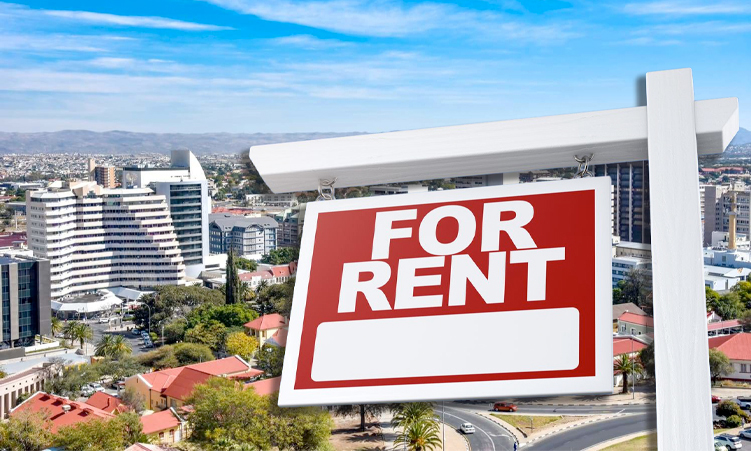
The rental market in Windhoek, Namibia's largest urban centre, is facing significant challenges. With a population of around 537,000 people, the demand for housing is high, driving up rental costs. According to reports, many residents now pay rents that are nearly equal to mortgage repayments, with rental costs taking up 30% to 50% of household income. This leaves little room for essentials like food, transport, and school fees.
Rental Affordability Crisis
The situation is particularly dire in Windhoek, where the cost of living is already high. Housing costs have become a major burden for many families, forcing them to make difficult choices between paying rent or putting food on the table. The fact that rental costs are now rivaling mortgage repayments highlights the need for more effective regulation of the rental market.
Legal and Regulatory Context
Namibia's rental laws have been criticized for being inadequate, leading to a lack of protection for tenants. While progress was historically slow, the government is now actively proceeding with plans to finalize and table a long-awaited rent control bill, and the revival of Rent Control Boards has entered the procurement phase. This initiative aims to make the laws fairer and more effective in regulating the rental market, addressing the vulnerability of many residents to exploitation by landlords.
Why It Matters
The rental affordability crisis in Namibia is not just a social issue but also has significant economic implications. If left unaddressed, it could lead to increased poverty and inequality, as well as a decline in the overall housing market. Lawyers and compliance officers should be paying close attention to potential updates to Namibian rent control laws, which could have a major impact on client affordability and housing market trends.
Practical Implications
Lawyers and compliance officers should watch for potential updates to Namibian rent control laws, which could impact client affordability and housing market trends.
Source
How does this affect you?
Get an AI analysis of this article grounded in your jurisdictions, practice areas, and any policy documents you've uploaded to Wansom.
Wansom is AI and can make mistakes.