
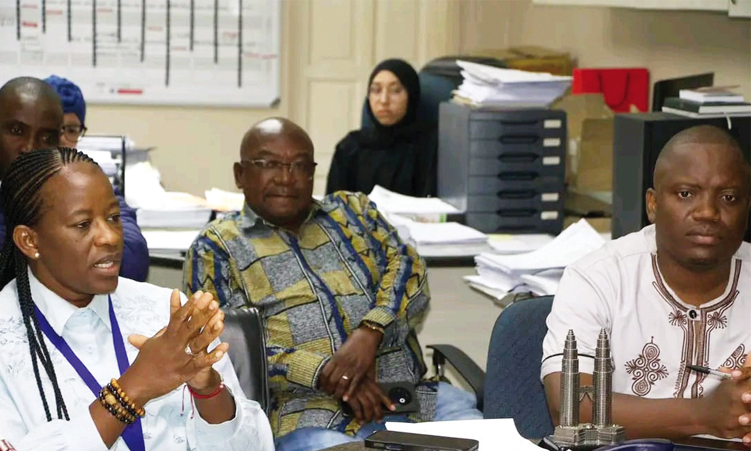
Namibia's Mineworkers Union Demands Greater Role in Parliamentary Workplace Inspections
Summary
- Trade unions in Namibia are demanding greater involvement in parliamentary workplace inspections to address labour law violations.
- The Mineworkers Union of Namibia's general secretary, George Ampweya, has expressed concern over the exclusion of unions from the oversight process.
- Labour law regulations in Namibia aim to protect workers' rights and promote fair labour practices, but instances of violations persist.
- Lawyers and compliance officers should monitor potential changes to labour inspection protocols arising from the unions' demands.
What Happened
The unions' demand for a greater role in parliamentary visits is seen as a significant development in the country's labour landscape.
Trade unions in Namibia are pushing for greater involvement in parliamentary workplace inspections, citing the need to address widespread labour law violations across the country. According to George Ampweya, general secretary of the Mineworkers Union of Namibia, unions have welcomed parliament's efforts to engage workers directly, but express concern over their exclusion from the oversight process. The unions' demand for a greater role in parliamentary visits is seen as a significant development in the country's labour landscape. This move comes as parliamentarians continue to uncover instances of labour law violations, highlighting the need for increased scrutiny and accountability.
Legal Context
Labour law regulations in Namibia are governed by various statutes and guidelines, including the Labour Act 2007 and the Affirmative Action (Employment) Act 1998. These laws aim to protect workers' rights and promote fair labour practices. However, despite these regulatory frameworks, instances of labour law violations persist, indicating a need for more effective oversight mechanisms. The unions' demand for greater involvement in parliamentary visits is likely to be met with scrutiny from lawmakers, who must balance the need for worker representation with concerns over potential biases or conflicts of interest.
Why It Matters
The implications of this development extend beyond Namibia's labour landscape. Lawyers and compliance officers should take note of the potential changes to labour inspection protocols that may arise from the unions' demands. As trade unions push for greater involvement in parliamentary oversight visits, it is essential to consider how this shift may impact existing regulatory frameworks and enforcement mechanisms. The outcome of these negotiations will have far-reaching consequences for workers, employers, and lawmakers alike, underscoring the need for careful consideration and strategic planning.
Practical Implications
Lawyers and compliance officers should watch for potential changes to labour inspection protocols in Namibia, as trade unions push for greater involvement in parliamentary oversight visits.
Source
How does this affect you?
Get an AI analysis of this article grounded in your jurisdictions, practice areas, and any policy documents you've uploaded to Wansom.
Wansom is AI and can make mistakes.