
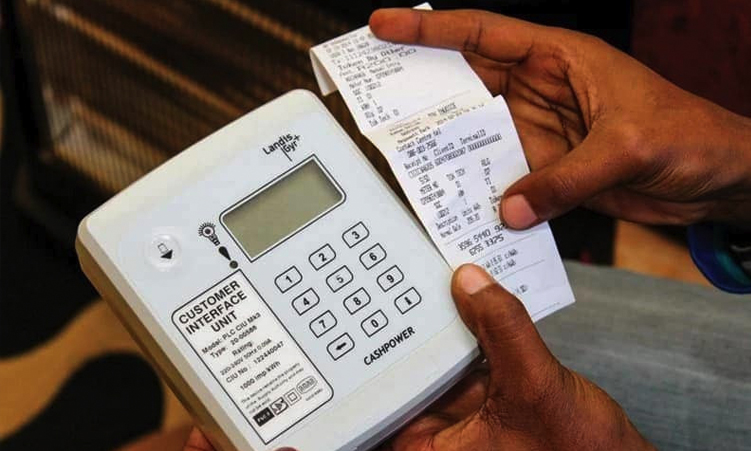
City of Windhoek: 3.6% Electricity Tariff Increase for 2026/27
Summary
- The City of Windhoek announced a 3.6% electricity tariff increase for the 2026/27 financial year on Tuesday.
- This adjustment means that for every N$100 spent, consumers will receive only N$37.6 worth of electricity.
- This follows a previous 4% electricity tariff hike implemented by the City for the 2025/2026 financial year.
- The ongoing increases in Windhoek electricity rates necessitate a review of operational costs and contractual agreements for local businesses.
- Legal and compliance professionals must update financial forecasts and assess the impact on existing contracts with utility cost pass-through clauses.
Windhoek Businesses Face New Electricity Tariff Hike for 2026/27
Lawyers advising businesses in Windhoek should take immediate note of these impending changes, as they directly impact operational costs and necessitate a thorough review of financial planning and contractual obligations.
The City of Windhoek has officially announced a forthcoming increase in its electricity tariffs, set to take effect for the 2026/27 financial year. This adjustment, confirmed by the City Council on Tuesday, will see electricity rates climb by 3.6%. This latest Namibia power tariff hike follows a previous increase, indicating a trend of rising utility expenses for consumers and businesses within the capital.
According to the City Council's announcement, the practical impact of this 3.6% increase is significant. For every N$100 spent on electricity, consumers will effectively receive only N$37.6 worth of power. This metric underscores the substantial shift in the cost-to-value ratio for electricity consumption in Windhoek, highlighting the direct financial implications for all users.
This impending Windhoek electricity tariff increase for 2026/27 is not an isolated event. It builds upon a prior adjustment made by the City of Windhoek, which saw electricity rates rise by 4% for the preceding 2025/2026 financial year. The cumulative effect of these successive increases will undoubtedly place additional financial pressure on households and commercial entities operating within the city.
Regulatory Context and Utility Cost Adjustments
The authority to implement such changes in City of Windhoek electricity rates rests with the municipal council, which is responsible for managing and adjusting utility costs to ensure the sustainable provision of services. These tariff adjustments are typically influenced by various factors, including operational expenses, infrastructure development needs, and the cost of bulk electricity purchases from national suppliers. The consistent upward trend in Windhoek utility cost increase reflects ongoing economic pressures and the evolving landscape of energy supply and demand in the region.
Such announcements are crucial for stakeholders across the city, as they provide advance notice of changes that will directly affect budgeting and operational planning. The City Council's public disclosure on Tuesday ensures that businesses and residents have time to prepare for the revised cost structures that will come into effect with the new financial year.
Critical Implications for Windhoek Businesses and Legal Professionals
Lawyers advising businesses in Windhoek should take immediate note of these impending changes, as they directly impact operational costs and necessitate a thorough review of financial planning and contractual obligations. The 3.6% increase for 2026/27, coupled with the previous 4% hike for the 2025/2026 electricity tariff Namibia, means that companies must reassess their expenditure forecasts to account for higher utility bills. This is particularly vital for businesses with significant energy consumption, where even a modest percentage increase can translate into substantial additional costs.
Compliance officers, in particular, need to update their cost models and financial forecasts to reflect these new electricity rates. Existing contracts, especially those containing utility cost pass-through clauses, will require careful examination to determine how these increases can or should be applied to clients or tenants. Failure to adequately plan for and incorporate these rising Windhoek utility cost increases could lead to budgetary shortfalls or disputes, underscoring the importance of proactive legal and financial due diligence in response to these announced tariff adjustments.
Practical Implications
Lawyers advising businesses in Windhoek should note the impending electricity tariff increase for 2026/27, as it will impact operational costs and may necessitate a review of existing contracts, particularly those with utility cost pass-through clauses or budgeting for future expenses. Compliance officers need to update cost models and financial forecasts accordingly.
Source
How does this affect you?
Get an AI analysis of this article grounded in your jurisdictions, practice areas, and any policy documents you've uploaded to Wansom.
Finish Reading the Full Story and the Expert Analysis.
Wansom is AI and can make mistakes.