
William O. Douglas: Longest Serving Justice Record Set in 1975
Summary
- Justice William O. Douglas retired in 1975 after serving over 36 years, making him the longest-serving Supreme Court justice.
- Justice Clarence Thomas is projected to surpass Douglas's tenure record if he remains on the bench through May 2028.
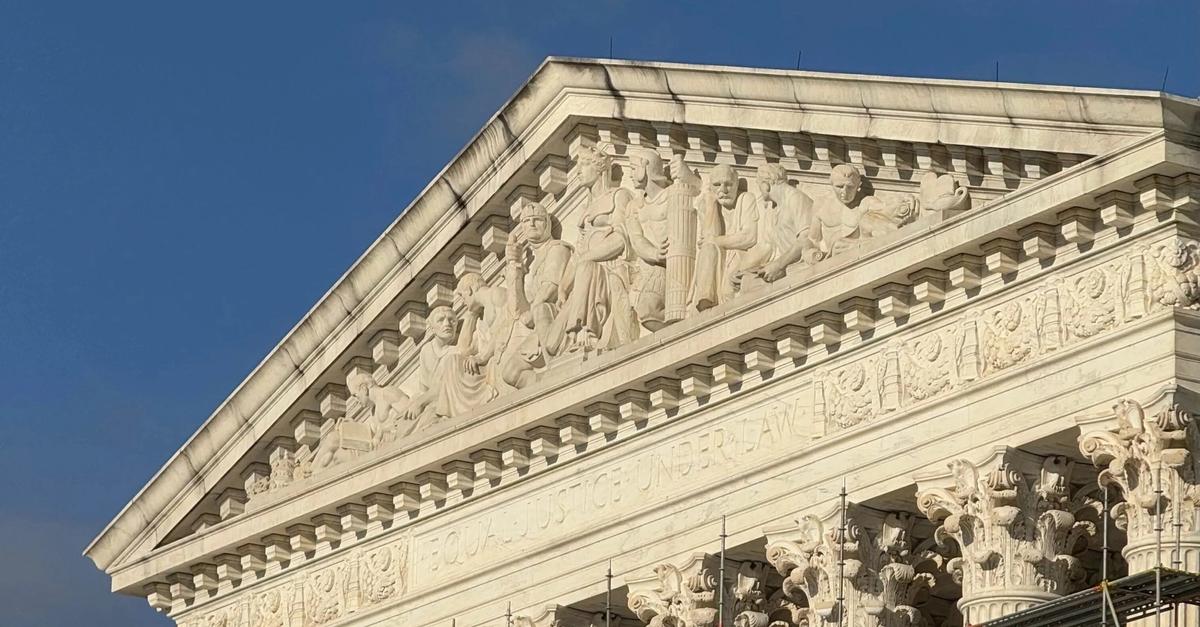
- The Supreme Court Building was closed on Wednesday in observance of Veterans Day.
- Justices are scheduled to hold a private conference tomorrow to deliberate on cases and review petitions.
- Decisions from Friday's conference are anticipated to be released on Monday at 9:30 a.m. EST.
A Record-Setting Tenure
Justice William O. Douglas holds the distinction of being the longest-serving justice in the history of the United States Supreme Court.
Justice William O. Douglas holds the distinction of being the longest-serving justice in the history of the United States Supreme Court. His remarkable tenure concluded with his retirement in 1975, marking more than 36 years of service on the nation's highest judicial body. This extensive period on the bench set a precedent for judicial longevity that has stood for decades, influencing countless legal decisions and shaping the trajectory of American jurisprudence. His retirement on this specific day in 1975 brought to an end an era defined by his distinctive legal philosophy and profound impact.
The record established by Justice Douglas, who served for over three and a half decades, is currently poised to be challenged. Justice Clarence Thomas, another prominent figure on the Supreme Court, is on track to potentially surpass Douglas's extraordinary tenure. Should Justice Thomas continue his service on the court through May 2028, he would then become the new benchmark for judicial longevity, eclipsing the record set by William O. Douglas as the longest serving justice. This potential shift highlights the enduring nature of Supreme Court appointments and the significant influence individual justices can wield over many years.
The Enduring Legacy of Justice Douglas
Justice William O. Douglas's retirement in 1975 concluded a judicial career that began in 1939, making him the undisputed SCOTUS longest serving justice to date. His more than 36 years on the bench allowed him to participate in a vast array of landmark cases, contributing to the development of constitutional law in areas ranging from environmental protection to individual liberties. The sheer duration of his service meant that he witnessed and influenced significant societal and legal transformations throughout the mid-20th century.
The impact of such a prolonged tenure, like that of Justice Douglas, extends beyond individual case outcomes. It shapes the institutional memory of the Court, influences the development of legal doctrines over generations, and provides a consistent judicial voice through changing political landscapes. His departure in 1975 marked a significant moment in the Court's history, closing a chapter defined by one of its most prolific and long-standing members.
Current Court Proceedings and Administrative Notes
While reflecting on historical tenures, the Supreme Court continues its contemporary operations. The Court's building was closed on Wednesday in observance of Veterans Day, a federal holiday. This temporary closure is a routine administrative measure, allowing for the recognition of national holidays while the Court's work continues behind the scenes.
Looking ahead, the justices are scheduled to convene tomorrow for a private conference. During these confidential sessions, the members of the Court engage in critical discussions regarding pending cases and cast votes on petitions for certiorari, determining which cases will be heard by the full Court. Following these deliberations, orders stemming from Friday's conference are anticipated to be publicly released on Monday morning at 9:30 a.m. EST, providing updates on the Court's docket and decisions on various applications. This regular schedule of Supreme Court conference orders underscores the continuous, albeit often private, work of the nation's highest judicial body.
Practical Implications
This article provides historical context on Supreme Court justice tenures and administrative updates regarding court operations, but does not present a direct actionable legal implication for lawyers or compliance officers.
Source
How does this affect you?
Get an AI analysis of this article grounded in your jurisdictions, practice areas, and any policy documents you've uploaded to Wansom.
Finish Reading the Full Story and the Expert Analysis.
Get the latest legal & regulatory intelligence in United States
Wansom is AI and can make mistakes.