
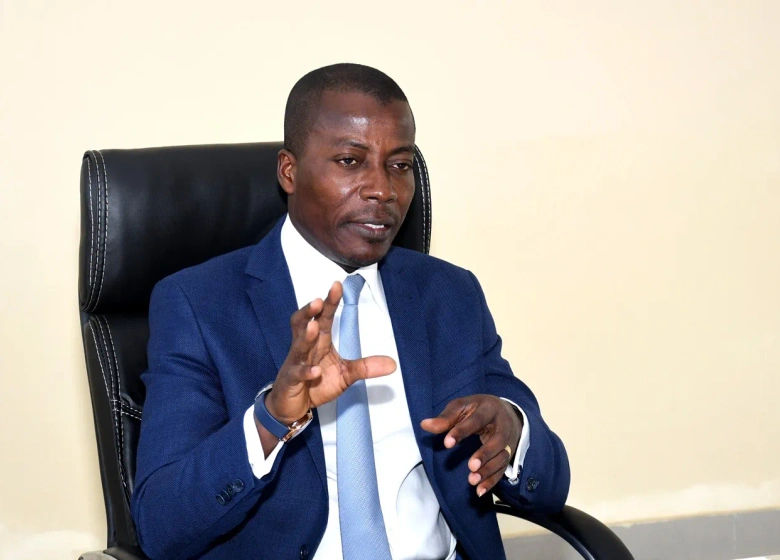
Wilfried Houngbédji: Clarifies Rôles Pôles Développement Territorial Bénin
Summary
- Beninese government spokesperson Wilfried Léandre Houngbédji clarified the roles of general delegates for territorial development poles.
- The clarification, made on October 8, 2026, addressed concerns about delegates replacing prefects and mayors.
- Minister Houngbédji explained the specific missions of these new officials and their relationships with existing local authorities.
- The delegates are intended to complement, not replace, the established roles of prefects and mayors.
- This clear delineation is crucial for effective governance and compliance in Bénin's territorial development efforts.
What Happened
For legal professionals and compliance officers operating within Bénin, understanding these clarified roles is paramount.
Wilfried Léandre Houngbédji, serving as the Minister and spokesperson for the Beninese government, recently provided crucial clarifications regarding the functions of the newly established general delegates for territorial development poles within Bénin. During a "Questions d’actualité" session held on Thursday, October 8, 2026, Minister Houngbédji directly addressed public inquiries concerning the potential overlap or replacement of existing local administrative roles. Specifically, he tackled the widespread question of whether these new delegates would assume the responsibilities traditionally held by prefects and mayors across the nation.
The government's spokesperson used this platform to delineate the specific mandates assigned to these emerging officials. His explanation aimed to dispel any ambiguities surrounding their authority and operational scope. This public statement was essential for defining the precise missions of the general delegates for territorial development poles and, critically, for outlining their collaborative and hierarchical relationships with the established local authorities, including both prefects and mayors. This clear articulation of roles is vital for the effective functioning of the government’s broader strategy for regional advancement.
Defining Roles in Territorial Development
The introduction of general delegates for territorial development poles in Bénin marks a significant evolution in the nation's decentralized governance structure. Minister Wilfried Houngbédji's recent intervention was specifically designed to clarify the distinct missions delegated to these new officials, ensuring that their integration into the administrative landscape is understood without confusion. He emphasized that these delegates are not intended to supplant the foundational roles of prefects or mayors but rather to complement and enhance the government's efforts in fostering regional growth.
His explanation detailed the specific responsibilities entrusted to the délégués généraux pôles développement, which are distinct from the executive and oversight duties of existing local government. This delineation is crucial for maintaining administrative order and efficiency within the framework of Bénin's development agenda. The clarification provided by Wilfried Houngbédji on the roles of these new officials helps to establish a clear operational framework, ensuring that all stakeholders, from local communities to international partners, understand the chain of command and functional responsibilities within the territorial development initiatives. The government Bénin développement territorial strategy relies on such clarity for its successful implementation.
Implications for Governance and Compliance
The precise articulation of the rapports autorités locales pôles développement Bénin, as presented by Minister Houngbédji, carries substantial weight for both internal governmental operations and external engagements. For legal professionals and compliance officers operating within Bénin, understanding these clarified roles is paramount. The explanation provided by Wilfried Houngbédji ensures that there is no ambiguity regarding the jurisdictional boundaries and administrative contacts for various local projects, permit applications, and regulatory compliance matters. This clarity is fundamental for navigating the administrative landscape effectively.
The government's initiative to clearly define who does what among prefects, mayors, and the new délégués généraux pôles développement territorial is a proactive step towards strengthening governance and streamlining development efforts across the country. By explicitly stating that the general delegates will not usurp the authority of prefects and mayors, the government reinforces the existing local administrative structures while integrating new specialized roles for targeted development. This ensures that the government Bénin développement territorial agenda can proceed with minimal friction, providing a stable and predictable environment for all parties involved in regional progress. The missions délégués pôles développement territorial are thus understood as specialized functions within a broader, established governance framework.
Practical Implications
Lawyers and compliance officers in Benin should note this clarification of roles for territorial development pole delegates, prefects, and mayors to accurately identify the correct administrative contacts and jurisdictional boundaries for local projects, permits, and regulatory compliance.
Source
How does this affect you?
Get an AI analysis of this article grounded in your jurisdictions, practice areas, and any policy documents you've uploaded to Wansom.
Finish Reading the Full Story and the Expert Analysis.
Get the latest legal & regulatory intelligence in Benin
Wansom is AI and can make mistakes.