
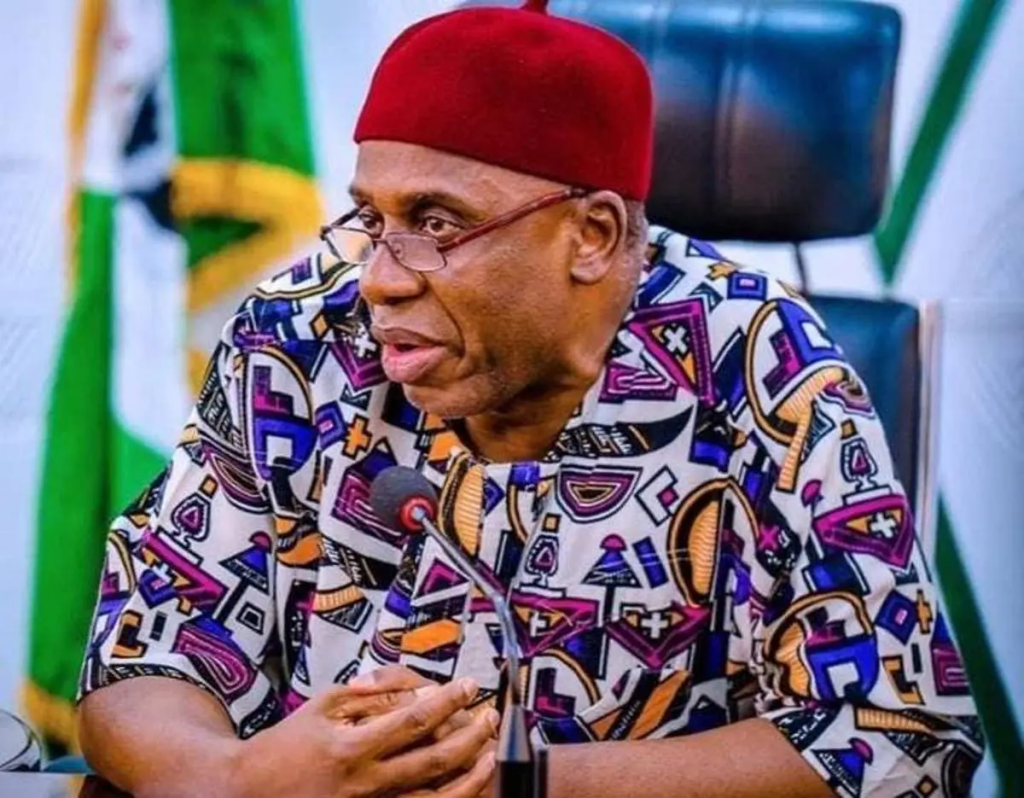
Wike Urges INEC: Sanction Amaechi for Campaign Misconduct
Summary
- Nyesom Wike has urged INEC to sanction Rotimi Amaechi, the ADC vice presidential candidate.
- Wike alleges Amaechi engaged in personality attacks and insults during his campaign activities.
- The minister noted that many Nigerians have called for INEC to penalize politicians for incitement or non-issue-based campaigns.
- Wike expressed that he has not seen INEC draw Amaechi's attention to these alleged infractions.
- The call for sanctions is set against the backdrop of the Nigeria 2027 elections campaign.
What Happened
Wike's public urging for INEC to sanction Amaechi directly questions the commission's commitment to enforcing its own rules and maintaining a level playing field for all participants.
Nyesom Wike, a prominent political figure, has publicly called upon the Independent National Electoral Commission (INEC) to impose sanctions on Rotimi Amaechi, who serves as the vice presidential candidate for the African Democratic Congress (ADC). Wike's demand centers on allegations that Amaechi has engaged in personal attacks and insults against individuals during his campaign activities. This direct challenge to INEC's oversight role highlights a growing concern regarding the tenor of political discourse in the lead-up to future elections, specifically referencing the ongoing discussions around the Nigeria 2027 elections campaign.
The minister specifically articulated his disappointment, stating that he had not observed any action from INEC to address Amaechi's conduct. Wike's intervention underscores a perceived lack of enforcement by the electoral body concerning campaign ethics, particularly when prominent political figures are involved. His remarks suggest a belief that INEC has a responsibility to actively monitor and intervene when campaign rhetoric deviates from issue-based discussions to personal vilification, thereby urging INEC sanction Amaechi for alleged infractions.
Regulatory Framework and Public Expectations
The call for INEC to sanction Amaechi comes amidst broader public sentiment advocating for stricter regulation of political campaigns. Many citizens have consistently urged the electoral commission to penalize political parties and candidates who resort to inciting the public or who fail to focus their campaigns on substantive policy matters. This widespread expectation emphasizes the desire for a more mature and issue-driven political environment, rather than one dominated by personal attacks and perceived INEC electoral misconduct.
Campaign guidelines generally encourage candidates to engage in discussions centered on policies and programs that benefit the electorate, steering clear of personal denigration. Wike's statement reflects a frustration that these principles are not always upheld, and that the regulatory body, Nyesom Wike INEC, has been slow to respond to instances of alleged breaches. The emphasis on issue-based campaigning is a cornerstone of democratic practice, aiming to inform voters rather than inflame divisions, making the call for a Rotimi Amaechi sanction particularly relevant.
Implications for Future Elections
The challenge posed by Nyesom Wike to INEC regarding the conduct of Rotimi Amaechi carries significant implications for the integrity of the Nigeria 2027 elections campaign. Wike's public urging for INEC to sanction Amaechi directly questions the commission's commitment to enforcing its own rules and maintaining a level playing field for all participants. The perception of inaction by INEC could embolden other candidates to engage in similar tactics, further degrading the quality of political discourse and potentially leading to more widespread electoral misconduct.
Should INEC choose to act on Wike's appeal, it could signal a more stringent approach to electoral misconduct, particularly concerning incitement and personality-driven campaigns. This would establish a precedent for how the commission intends to police future election cycles. Conversely, a lack of response might be interpreted as a tacit acceptance of such behavior, potentially setting a concerning standard for the upcoming 2027 elections campaign. The outcome of this specific call for a Rotimi Amaechi sanction will therefore be closely watched by political observers and could significantly influence the strategies adopted by various parties and candidates.
Practical Implications
Lawyers advising political parties or candidates should monitor INEC's response to calls for sanctions regarding campaign conduct, as it may indicate a stricter enforcement stance on incitement and personality attacks during elections, potentially impacting future campaign strategies and compliance requirements.
Source
How does this affect you?
Get an AI analysis of this article grounded in your jurisdictions, practice areas, and any policy documents you've uploaded to Wansom.
Finish Reading the Full Story and the Expert Analysis.
Get the latest legal & regulatory intelligence in Nigeria
Wansom is AI and can make mistakes.