
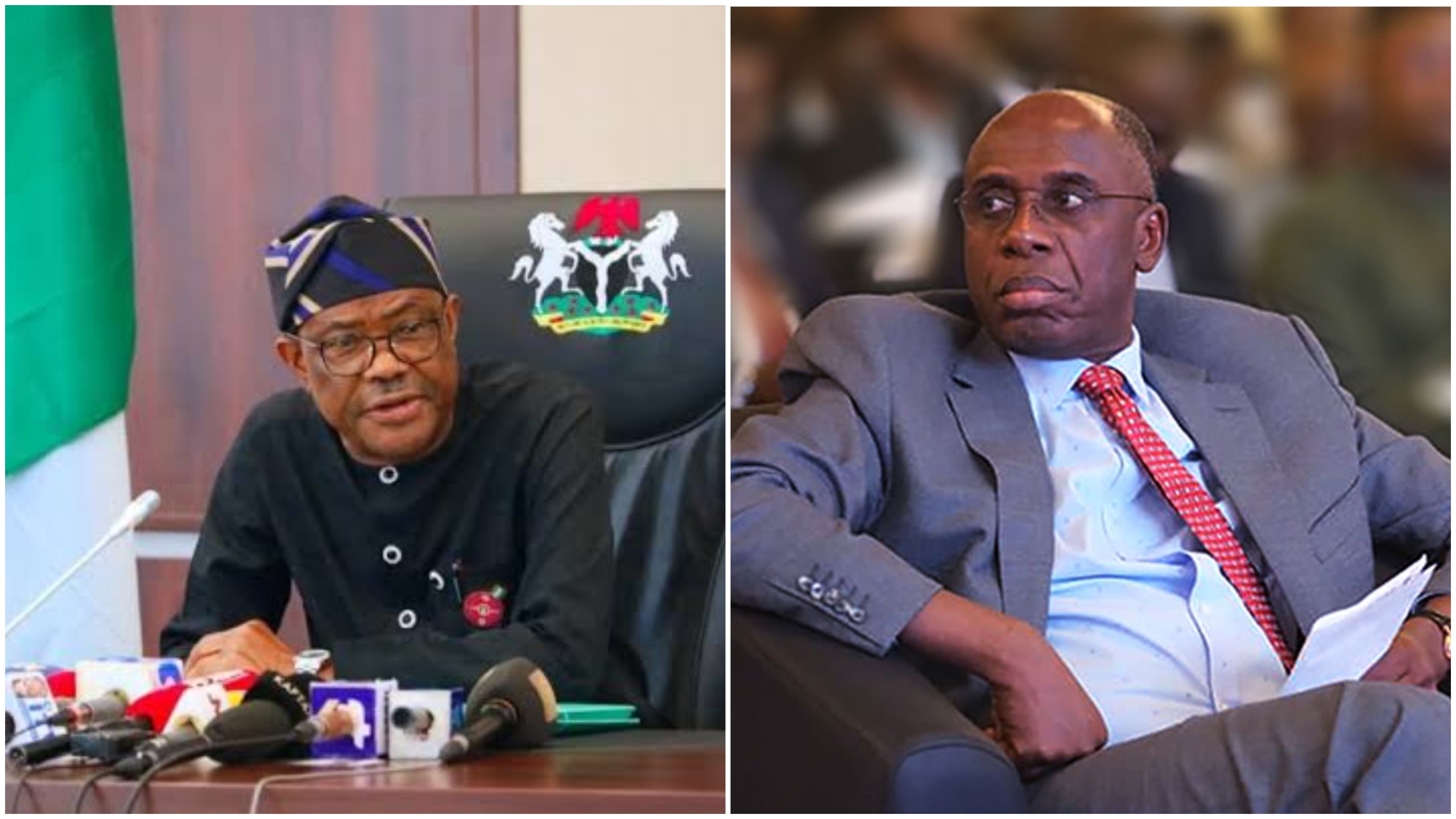
Wike Asks INEC: Sanction Amaechi for Inciting Remarks
Summary
- Mr. Amaechi, ADC vice-presidential candidate, reportedly stated that only "mad people and thieves" would vote for President Bola Tinubu in the 2027 presidential election.
- The controversial remarks were made during a party town hall meeting in Benin City on Thursday.
- Minister of the Federal Capital Territory (FCT), Nyesom Wike, has formally requested that the Independent National Electoral Commission (INEC) sanction Amaechi for these "inciting" and "inflammatory" comments.
- The incident highlights INEC's role in regulating campaign conduct and the potential for electoral misconduct sanctions.
- The call for action underscores the importance of responsible political discourse ahead of the 2027 presidential election.
Political Controversy Erupts Over Campaign Remarks
Lawyers advising political clients should note the potential for regulatory bodies like INEC to act on public statements perceived as inciting or inflammatory during election campaigns, highlighting the need for careful messaging to avoid formal sanctions or reputational damage.
The political landscape in Nigeria has been stirred by recent comments attributed to Mr. Amaechi, the vice-presidential candidate for the African Democratic Congress (ADC). During a town hall meeting held by his party in Benin City on Thursday, Mr. Amaechi reportedly made a contentious statement regarding the upcoming 2027 presidential election. His remarks, which have since drawn significant attention, suggested that only individuals described as "mad people and thieves" would cast their votes for the incumbent President Bola Tinubu in the next general election.
This "Amaechi mad people comment" quickly became a focal point of political discussion, prompting a swift reaction from prominent figures. Among those who publicly condemned the statement was the Minister of the Federal Capital Territory (FCT), Nyesom Wike, who has now formally called upon the Independent National Electoral Commission (INEC) to intervene. Minister of the Federal Capital Territory (FCT), Nyesom Wike's appeal to the electoral body specifically requests that INEC impose sanctions on Mr. Amaechi, citing the allegedly "inciting" and "inflammatory" nature of his public pronouncements.
The demand for regulatory action underscores the heightened sensitivity surrounding political rhetoric as the nation looks towards future electoral contests. Such direct challenges to the integrity of potential voters and the characterization of political opponents are often viewed as breaches of acceptable campaign conduct. Minister of the Federal Capital Territory (FCT), Nyesom Wike's call for Amaechi sanction highlights the expectation that political actors adhere to certain standards of discourse, even in the heat of electoral campaigns.
INEC's Role in Upholding Electoral Integrity
The Independent National Electoral Commission (INEC) is the primary body responsible for organizing and overseeing elections in Nigeria, and its mandate extends to ensuring that political campaigns are conducted fairly and without incitement. Minister of the Federal Capital Territory (FCT), Nyesom Wike's request for "INEC electoral misconduct sanctions" against Mr. Amaechi places the spotlight on the commission's powers to regulate the conduct of political parties and their candidates. Under the Electoral Act 2026, there are provisions designed to prevent statements that could incite violence, promote hatred, or undermine the integrity of the electoral process.
Inciting statements, particularly those that denigrate segments of the electorate or political opponents, are often viewed seriously by regulatory bodies. The alleged "Amaechi mad people comment" could be interpreted as falling within the scope of remarks that could potentially inflame political tensions or discourage participation. The legal framework aims to foster an environment where political debate is robust but remains respectful and focused on issues rather than personal attacks or divisive rhetoric.
Should INEC decide to act on Minister of the Federal Capital Territory (FCT), Nyesom Wike's request, it would set a precedent regarding the permissible boundaries of campaign speech. The commission's response will be closely watched by political stakeholders and the public alike, as it could influence how candidates and parties communicate their messages in the lead-up to the 2027 presidential election and beyond. The call for sanctions emphasizes the importance of maintaining decorum and adherence to electoral guidelines throughout the political cycle.
Broader Implications for Future Elections
The controversy surrounding Mr. Amaechi's "2027 presidential election comments" and Minister of the Federal Capital Territory (FCT), Nyesom Wike's subsequent demand for "Wike asks INEC sanction Amaechi remarks" carries significant implications for the future of political campaigning in Nigeria. Such incidents highlight the ongoing challenge of balancing freedom of speech with the need to prevent inflammatory rhetoric that could destabilize the political environment. The nature of the remarks, specifically targeting potential voters and the current president, raises questions about the strategies political actors employ to gain an advantage.
Lawyers advising political clients should note the potential for regulatory bodies like INEC to act on public statements perceived as inciting or inflammatory during election campaigns, highlighting the need for careful messaging to avoid formal sanctions or reputational damage. This incident underscores that even in the heat of political contests, there are boundaries defined by electoral laws and ethical considerations that must be observed.
Ultimately, how INEC addresses Minister of the Federal Capital Territory (FCT), Nyesom Wike's request will send a clear signal about the commission's commitment to enforcing electoral conduct rules. It will also shape expectations for the tone and content of future political discourse, particularly as the nation gears up for the pivotal 2027 presidential election. The outcome could either reinforce the importance of responsible communication or, conversely, be seen as an indication of the limits of regulatory oversight in curbing provocative political speech.
Practical Implications
Lawyers advising political clients should note the potential for regulatory bodies like INEC to act on public statements perceived as inciting or inflammatory during election campaigns, highlighting the need for careful messaging to avoid formal sanctions or reputational damage.
Source
How does this affect you?
Get an AI analysis of this article grounded in your jurisdictions, practice areas, and any policy documents you've uploaded to Wansom.
Finish Reading the Full Story and the Expert Analysis.
Get the latest legal & regulatory intelligence in Nigeria
Wansom is AI and can make mistakes.