
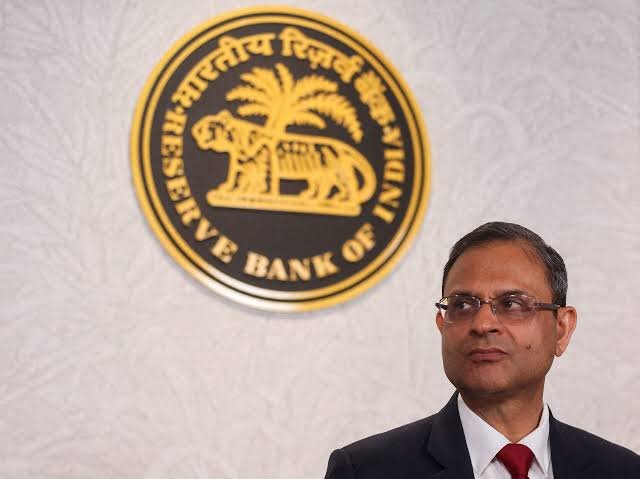
WHY THE INDIA RESERVE BANK IS RAISING THE REPO RATE AND WHAT THIS MEANS FOR MARKET CURRENCIES , CAPITAL FLOWS AND IMPORT BILLS
Introduction
The RBI's MPC raised the repo rate from 5.25% to 5.5%. It is the first increase in almost four years. Nearly 60% of economists in a Reuters poll had expected a 25 basis point move, so the size of the hike was largely priced in. The change in stance carries more information than the rate itself. Moving from neutral to calibrated tightening tells markets that the committee sees the next move as upward, subject to data.
The Governor expects headline CPI inflation to average almost 5.8% over the next three quarters. Higher oil prices tied to the Iran war and weak monsoon rains linked to El Niño are the stated drivers. The decision matters outside India because it adds to tightening by major central banks, which affects currencies, capital flows and import bills across emerging markets.
The principal risks are repricing stress for floating rate borrowers, margin pressure on non-bank lenders, currency volatility and a possible breach of India's statutory inflation tolerance band
Analysis
India operates a flexible inflation targeting framework. The Reserve Bank of India Act, 1934 was amended in 2016 to give the framework a statutory basis. Section 45ZA provides for the Central Government, in consultation with the RBI, to set an inflation target, and the framework has used a 4% target with a tolerance band of 2% on either side. Section 45ZB establishes the MPC, which has six members, three from the RBI and three external members appointed by the Central Government. The Governor chairs it and holds a casting vote. The Monetary Policy Process Regulations, 2016 govern procedure, including the publication of minutes.
Section 45ZN sets an accountability mechanism. If average inflation stays above the upper tolerance level, or below the lower level, for three consecutive quarters, the RBI is taken to have failed to meet the target and must report to the Central Government on the causes, the remedial action and the expected time to return to target. The Governor's projection of almost 5.8% as an average over the next three quarters sits close to the 6% upper level. Readers should check the current notification of the target and band, since the framework is reviewed periodically.
The repo rate is the rate at which the RBI lends to banks against government securities. Since 2019, the RBI has required banks to link new floating-rate retail and micro, small and medium enterprise loans to an external benchmark, and most lenders use the repo rate. Those loans must reset at least once every three months after a benchmark change, so the increase reaches borrowers quickly. The RBI has also issued fair practice requirements on floating-rate personal loans, covering how lenders communicate changes to instalments and tenors.
The wider global setting matters. Oil prices have risen following the Iran war, and several major central banks have tightened in response. India imports most of its crude oil, so higher prices raise its import bill and weaken the rupee, which feeds back into inflation. A weak monsoon affects food prices and rural incomes. Together these pressures explain why the RBI moved while growth remained strong.
Legal & Regulatory Analysis
The unanimous vote and the stance change reduce ambiguity about direction. Under the statutory framework, the MPC must explain its decisions and publish minutes, so the reasoning behind "calibrated tightening" will become public. Counsel should read those minutes when they are released, because they will show how the committee weighs inflation against growth and what data it will rely on.
The Section 45ZN mechanism deserves attention. If inflation runs near the upper tolerance level, the RBI faces a formal reporting obligation to the Central Government if the breach lasts three quarters. That obligation is a reputational and policy event, not a penalty, but it raises the cost of inaction. The Governor's forecast suggests the committee is acting before a breach occurs.
For lenders, the regulatory consequence is operational. The external benchmark rules require resets within a fixed period, and fair practice requirements oblige lenders to tell borrowers when instalments or tenors change. Lenders that fail to communicate clearly face supervisory action and complaints. For Kenyan and other cross-border contracts, the legal question is whether interest clauses refer to Indian benchmarks or to a floating rate that the lender may adjust. Counsel should check whether the contractual mechanism has been triggered.
Governance Analysis
Boards of Indian banks and non-bank lenders must now oversee asset-liability management under a rising rate path. Duration gaps between assets and liabilities, and the share of floating-rate books, are matters for board risk committees. Management should report on the expected effect on net interest margins and on asset quality.
For companies outside India with Indian operations, subsidiaries or borrowings, boards should ask for a rate and currency exposure report. Directors who approved Indian-rupee or dollar-linked financing under a different rate assumption need updated information.
Business & Operational Analysis
Higher rates raise borrowing costs for Indian corporates and households. Housing, vehicle and consumer loans linked to the repo rate will reprice. Demand in rate-sensitive sectors may soften, although the RBI is acting while growth is strong, which gives it some room.
Conclusion
The RBI has moved from a neutral to a tightening stance for the first time in nearly four years. The immediate trigger is oil-led inflation compounded by weak monsoon rains, and the decision places India among the central banks that have chosen to act before price pressure becomes entrenched.
Decision-makers should remember that the stance points to more hikes, that pass-through to borrowers will be fast because of the external benchmark rules, and that the inflation forecast leaves little room before the upper tolerance level.
Citations
- 1.Reuters
Finish Reading the Full Story and Expert Analysis.
Get the latest legal & regulatory intelligence in India
Wansom is AI and can make mistakes.