
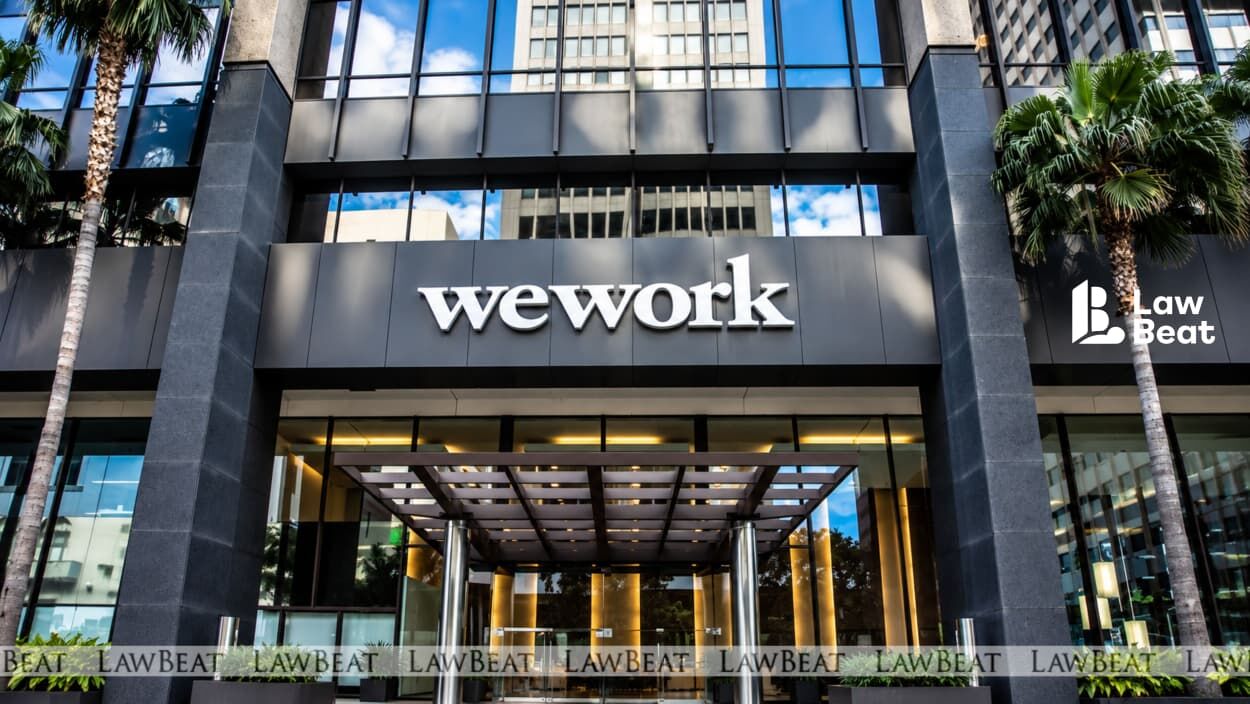
WeWork India: NCLT Petition for Section 66 Capital Reduction to Offset Losses
Summary
- WeWork India Management Ltd. has petitioned the NCLT Bengaluru Bench to reduce its share capital.
- The company seeks to offset ₹2,050.16 crore in accumulated losses by utilizing funds from its Securities Premium Account.
- This application, filed on September 11, invokes Section 66 of the Companies Act, 2013, following internal board and shareholder approvals.
- The legal process requires NCLT sanction to ensure no stakeholder interests are unfairly prejudiced.
- This restructuring occurs as WeWork India reports narrowing net losses and increasing revenue and operational footprint in Q1 FY27.
Corporate Restructuring Initiative
Company law mandates NCLT approval as a final, mandatory step to ensure that any reduction of share capital does not unfairly prejudice the interests of creditors, regulators, or other stakeholders.
WeWork India Management Ltd. has initiated a significant corporate restructuring effort, formally petitioning the National Company Law Tribunal's (NCLT) Bengaluru Bench. The company's primary objective is to reduce its share capital, a strategic move designed to offset substantial accumulated losses totaling ₹2,050.16 crore. This application, filed on September 11, seeks judicial approval for a financial maneuver that aims to present a more accurate and robust picture of its financial health.
The core of WeWork India's proposal involves the utilization of funds held within its Securities Premium Account. Specifically, the company plans to deploy ₹2,050.16 crore from the ₹2,158.99 crore available in this account. This precise allocation is intended to fully neutralize the accumulated losses recorded on its books as of March 31, 2026, thereby cleaning up its balance sheet without resorting to external fundraising or other write-offs.
Legal Framework and Approval Process
The legal foundation for WeWork India's application rests on Section 66, read in conjunction with Section 52, of the Companies Act, 2013. The petition also references the National Company Law Tribunal (Procedure for Reduction of Share Capital of Company) Rules, 2016, underscoring the specific regulatory pathway being followed. The company submitted its application to the NCLT in Form RSC-1, adhering to the prescribed procedural requirements for such a capital reduction.
Before approaching the NCLT for judicial sanction, WeWork India secured all necessary internal corporate approvals. The company's Board of Directors formally endorsed the proposal on July 16, 2026, followed by shareholder assent at a meeting convened on August 25, 2026. Company law mandates NCLT approval as a final, mandatory step to ensure that any reduction of share capital does not unfairly prejudice the interests of creditors, regulators, or other stakeholders.
Financial Rationale and Business Performance
WeWork India stated that this initiative aims to remove the accumulated losses from its financial records, thereby enabling a more accurate and transparent representation of its financial standing. This balance sheet clean-up, achieved through the Securities Premium Account utilization, is a recognized corporate restructuring mechanism. By setting off accumulated losses, a company's financial statements reflect an improved net worth, which can enhance investor confidence and creditworthiness, signaling a stronger financial foundation.
This strategic financial restructuring comes amidst a period of improving operational performance for WeWork India. The flexible workspace provider reported a significant narrowing of its net loss for the first quarter of FY27, decreasing to ₹4.3 crore from ₹14.1 crore in the corresponding period of the previous year. Revenue also saw a substantial increase, climbing 27.7 percent year-on-year to ₹705 crore from ₹535.3 crore.
The company's operational metrics further highlight this positive trajectory. Earnings Before Interest, Taxes, Depreciation, and Amortization (EBITDA) rose by 30.4 percent to ₹438 crore, up from ₹336 crore, with the EBITDA margin improving to 64.04 percent from 62.7 percent. WeWork India expanded its operational footprint to 79 centers across eight cities, now offering 9.1 million square feet of operational space, with a total committed footprint, including signed leases and letters of intent, reaching 12 million square feet. The addition of nearly 7,000 desks during the quarter brought its total operational capacity to 133,600 desks, marking a 17.1 percent year-on-year increase. Despite these positive business indicators, shares of WeWork India Management closed 0.90 percent lower at ₹670.85 on the NSE on the day of the market's response.
Practical Implications
This case highlights a practical application of Section 66 of the Companies Act, 2013 for corporate restructuring, offering a precedent for companies looking to set off accumulated losses via share capital reduction. Lawyers should note the NCLT approval process and the requirement to ensure no stakeholder interests are unfairly prejudiced, which is crucial for advising clients on similar balance sheet clean-up strategies.
Source
How does this affect you?
Get an AI analysis of this article grounded in your jurisdictions, practice areas, and any policy documents you've uploaded to Wansom.
Finish Reading the Full Story and the Expert Analysis.
Get the latest legal & regulatory intelligence in India
Wansom is AI and can make mistakes.