
Israeli Forces: West Bank Settler Attack Draws Rare Rebuke
Summary
- Over 100 Israeli settlers attacked the Palestinian village of Jalud, injuring three Israel Border Police officers and damaging a security vehicle.
- The assault occurred as the military attempted to return a Palestinian family, displaced by prior settler attacks, to their home, but the family's return was prevented.
- Israeli Prime Minister Benjamin Netanyahu and President Isaac Herzog issued rare condemnations of the attack, calling it a "moral stain" and blaming "a small group of rioters."
- This incident follows a pattern of increasing settler violence, with UN data reporting an average of six daily attacks on Palestinians in the first half of the year.
- The attacks intensify amidst mounting international criticism and sanctions against Israeli settlements, which are considered illegal under international law.
Escalation of Violence and Official Rebuke
Such explicit high-level criticism is uncommon when Palestinians are the victims of settler aggression.
An incident in the occupied West Bank saw over 100 Israeli settlers launch an assault on the Palestinian village of Jalud early on a Tuesday, resulting in light injuries to three Israel Border Police officers and damage to a security forces vehicle. This **West Bank settler attack** prompted a rare and strong **Israeli forces rebuke** from high-ranking Israeli officials. The military confirmed that more than a hundred "Israeli rioters" were present in the Jalud area overnight, where soldiers and border police attempted to disperse them. During the confrontation, settlers engaged in destructive acts, including blocking roads, igniting tires, and pelting security personnel with rocks. They also set fire to Palestinian structures and vehicles within the **Jalud village settler violence** incident.
The assault occurred as Israeli military personnel were attempting to facilitate the return of a Palestinian family to their home in Jalud. This family, led by Mahmoud al-Toubasi, his wife, and son, had been displaced over two months prior following "several incidents of (Israeli) nationalist crime against them," with settlers subsequently occupying their residence. Despite being escorted by two army vehicles, the family's attempt to return was thwarted by the settlers' aggression. Soldiers used pepper spray to push back the attackers, causing the family to suffer from choking, though they sustained no physical injuries. Ultimately, the attack prevented the family from re-entering their home. Following the events, one individual was arrested, and two minors were taken in for questioning by police.
Broader Pattern of Settler Actions
The Jalud incident was not isolated, as a separate **Palestinian village al-Mughayyir raid** also occurred on the same Tuesday. Dozens of settlers from nearby hilltop outposts descended upon al-Mughayyir, located northeast of Ramallah. An AFP journalist observed at least five vehicles that had been set ablaze. Residents reported that al-Mughayyir frequently endures such attacks due to its remote location and the surrounding settlement outposts. This broader pattern of settler violence has been a growing concern.
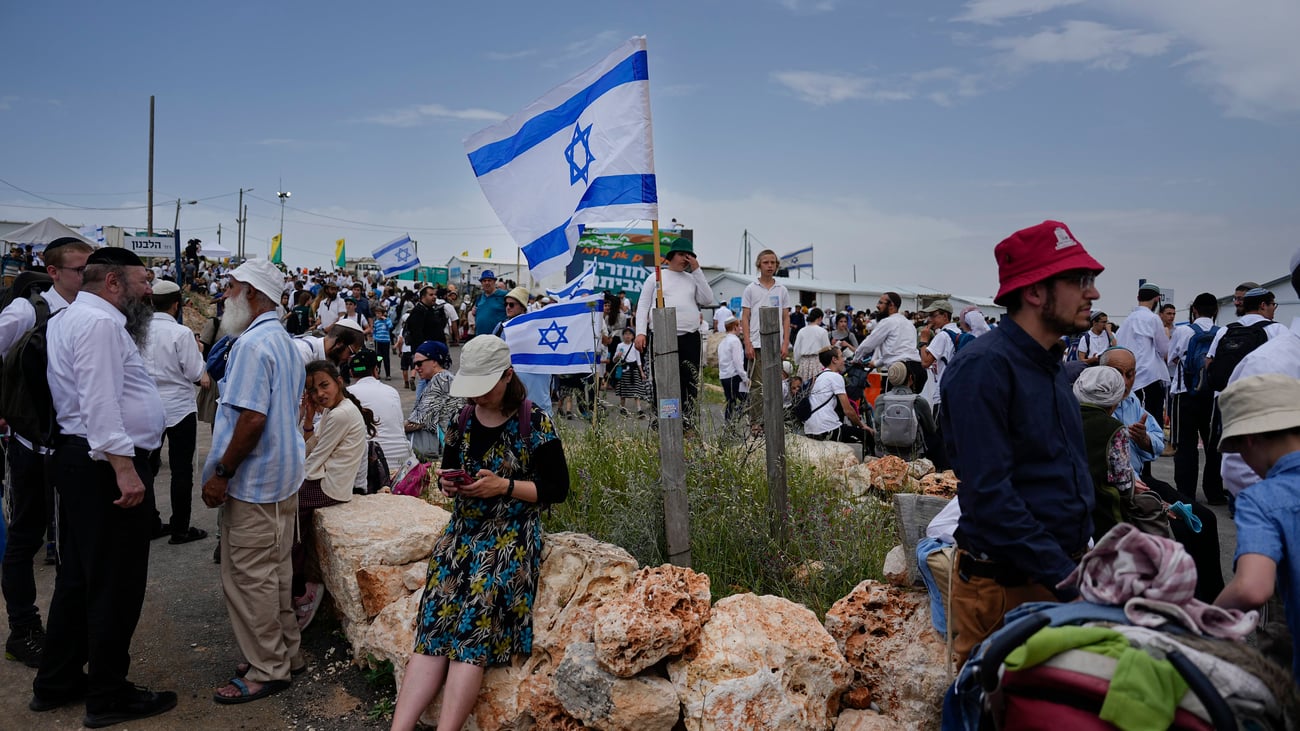
Further illustrating the escalating tensions, dozens of settlers gathered in Beitunia, near Ramallah, to observe the Jewish holiday of Sukkot, utilizing loudspeakers. Mayor Ribhi Dawla characterized this assembly as a "dangerous precedent," noting existing "ambitions for settlements in the area" and the recent placement of a caravan and an iron gate in the western part of the town. These events unfold amidst a backdrop of increasing international scrutiny over settler actions. According to United Nations data, attacks against Palestinians, encompassing beatings, vandalism, and arson, averaged six per day during the first half of the year. Concurrently, recent weeks have also seen high-profile attacks targeting Israelis in the West Bank, including the fatal shooting of a settler by a Palestinian.
International Law and Political Fallout
The recent surge in **West Bank settler attack** incidents, particularly the assault in Jalud, has drawn significant attention to the legal and political complexities surrounding Israeli settlements. Israel has maintained its occupation of the West Bank since 1967, during which time settlement expansion has accelerated. Approximately 500,000 Israeli settlers now reside among 3 million Palestinians in the territory. Critically, these **West Bank settlements are illegal under international law**, a position that has fueled mounting international criticism of settler violence.
In a notable departure from previous stances, **Israeli leaders condemn settler attack** in Jalud. Prime Minister Benjamin Netanyahu, who had previously downplayed settler violence in an address at the United Nations, issued a condemnation, attributing the actions to "a small group of rioters." He asserted that their conduct "cause great harm to that community and interfere with our forces as they carry out their mission." President Isaac Herzog, whose role is largely ceremonial, went further, describing the attack as "a moral stain, an assault on the rule of law and our most fundamental values as a people and a nation." Such explicit high-level criticism is uncommon when Palestinians are the victims of settler aggression. This condemnation comes as Israel has expressed outrage and implemented diplomatic repercussions in response to countries like Britain and the Netherlands imposing sanctions on products originating from Israeli settlements, underscoring the growing international pressure and the legal implications of these activities. The **Netanyahu settler violence condemnation** highlights the increasing domestic and international pressure on the Israeli government regarding these issues.
Practical Implications
Lawyers and compliance officers should be aware of the escalating violence in the West Bank and the explicit condemnation of settlements as illegal under international law, which heightens compliance and reputational risks for clients involved in trade or operations linked to these settlements, especially given recent international sanctions.
Source
How does this affect you?
Get an AI analysis of this article grounded in your jurisdictions, practice areas, and any policy documents you've uploaded to Wansom.
Finish Reading the Full Story and the Expert Analysis.
Get the latest legal & regulatory intelligence in United States
Wansom is AI and can make mistakes.