
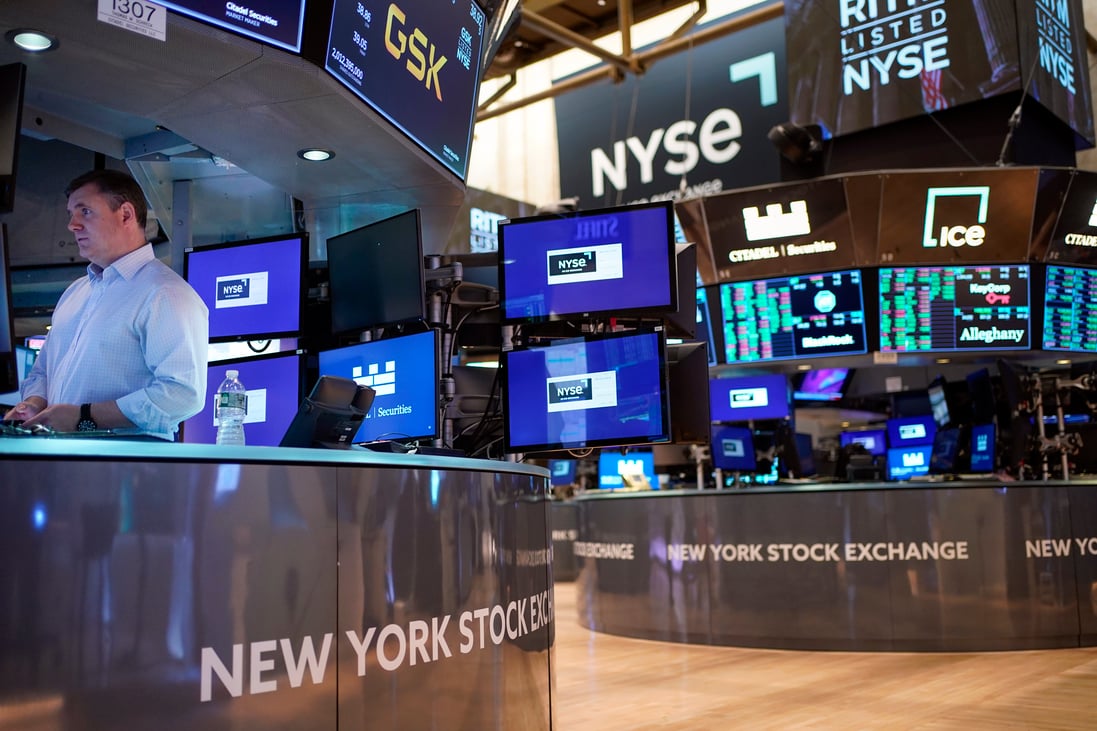
US Markets Gain Amid Oil Drop; Inflation Fuels Fed Rate Hike Talk
Summary
- US markets saw significant gains, with the Dow Jones Industrial Average, S&P 500, and Nasdaq all closing higher for the week.
- A substantial drop in oil prices, initially linked to hopes for an Iran deal, helped bolster equity performance, though Brent crude later increased slightly to around $96.
- The US consumer price index and core inflation both rose more than expected, while the US producer price index increased slightly less than anticipated.
- Persistent high inflation nearly guarantees the Federal Reserve will implement an interest rate hike of at least 25 basis points next month.
- Small business optimism remained flat, though expectations for better conditions improved, and one-third of owners still face inflation-driven price increases.
Market Rebound Amidst Oil Price Decline
a more patient Fed would be easier for stock bulls to navigate, while a more aggressive Fed could prove to be too big of a headwind for the market to overcome next year.
US markets concluded the week with significant gains, extending the positive momentum from the previous period. The Dow Jones Industrial Average registered a substantial increase of 1,062 points, while the S&P 500 performance saw it net 186 points, marking one of its strongest weekly showings since the summer months. Despite some volatility impacting Nasdaq tech stocks due to the Nvidia scandal, the technology-heavy index ultimately advanced by 557 points over the week.
This upward trend in equities was largely bolstered by a notable US markets oil drop that commenced in the aftermath of last week's elections. Investors initially reacted favorably to the declining crude prices, anticipating that the political landscape might pave the way for a swift resolution to the Iran conflict, thereby easing global supply concerns.
Volatile Oil Market Dynamics
The initial optimism surrounding the oil price decline, which began on November 4, was tempered midweek. Brent crude barrels experienced a slight uptick, settling around $96 by Friday afternoon. This shift followed a statement from President Donald Trump, who declared, "we don’t need a deal with Iran," dampening hopes for an immediate geopolitical resolution that could further depress oil costs.
Inflationary Pressures and Federal Reserve's Stance
Inflationary concerns resurfaced this week, with key economic data pointing to persistent price pressures. The US consumer price index (CPI) rose by 0.4%, surpassing the 0.3% increase that most economists had predicted. Similarly, core inflation, which excludes the more volatile energy and food components, also exceeded expectations with a 0.3% increase.
While the US producer price index (PPI) offered a slight reprieve, increasing by 0.3%—a figure marginally lower than anticipated—experts maintain that annualized inflation remains unacceptably high. The year-over-year PPI figures are currently skewed due to the absence of a PPI release in October 2025, attributed to a government shutdown. This sustained inflationary environment almost certainly guarantees a Federal Reserve interest rate outlook that includes a hike of at least 25 basis points at its upcoming meeting. Chris Zaccarelli, Chief Investment Officer at Northlight Asset Management, emphasized that the PPI data was insufficient to deter the Fed from raising rates. He noted that "a more patient Fed would be easier for stock bulls to navigate, while a more aggressive Fed could prove to be too big of a headwind for the market to overcome next year."
Even prior to the release of the latest inflation figures, Federal Reserve officials had indicated a readiness for rate increases potentially exceeding the anticipated 25 basis points. Fed Governor Christopher Waller, appointed by Trump, articulated this sentiment in a Tuesday speech at the Bank of England, suggesting that "more robust action by the FOMC may be called for" if inflation data proved hotter than expected. Waller underscored the importance of timely implementation of promised hikes, stating, "So, while the precise timing of the hikes doesn’t matter, ensuring that the promised hikes are implemented in a reasonable period of time does."
Mixed Signals from Small Business Sector
Beyond the major market indices and inflation reports, other economic indicators presented a mixed picture. The monthly index from the National Federation of Independent Business (NFIB) revealed that optimism among small businesses remained largely unchanged. The index currently hovers just below its 53-year average of 98 points.
Despite this flatness, there were some encouraging signs. Expectations for improved business conditions saw an uptick last month, following two consecutive months of decline. However, the persistent challenge of inflation continues to impact a significant portion of the sector, with one-third of small business owners reporting that inflationary pressures are compelling them to raise prices. NFIB Chief Economist Bill Dunkelberg commented on the situation, stating, "There was little change in optimism among small businesses in October as owners navigated enduring challenges, though there were some encouraging developments." He added that "Even with inflation pressures continuing to strain operations, more Main Street owners reported their businesses in good or excellent health, and actual sales improved."
Practical Implications
This story genuinely has no direct actionable legal or compliance implication, as it reports on general US market and economic trends.
Source
Source: Original reporting via CN
How does this affect you?
Get an AI analysis of this article grounded in your jurisdictions, practice areas, and any policy documents you've uploaded to Wansom.
Finish Reading the Full Story and the Expert Analysis.
Get the latest legal & regulatory intelligence in United States
Wansom is AI and can make mistakes.