
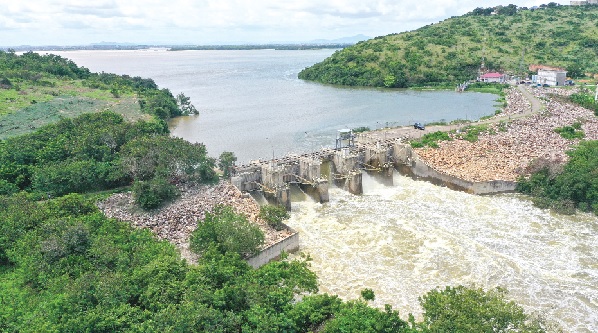
Ghana Water Limited: Early Weija Dam Spillage in Ghana Mitigates Flood Risk
Summary
- Ghana Water Limited initiated an early water release from the Weija Dam due to rising upstream levels.
- The spillage began a day earlier than the announced date of Wednesday, September 9, which was communicated on September 7.
- Dennis Nartey Adjannor, Greater Accra Regional Director of NADMO, stated the early release was a precautionary measure.
- The decision aimed to prevent the need for a larger, uncontrolled water discharge later.
Unanticipated Release at Weija Dam
For legal professionals, monitoring events like the Weija Dam spillage early Ghana is crucial for identifying potential claims arising from unexpected property damage or business interruption in downstream areas.
Ghana Water Limited (GWL) initiated an early water release from the Weija Dam in Ghana, responding to an increase in upstream water levels. This action commenced a full day ahead of the previously communicated schedule. The utility provider had informed the public on Monday, September 7, that the controlled discharge from the dam was slated to begin on Wednesday, September 9. This early Weija Dam spillage in Ghana highlights the dynamic nature of water management operations.
The decision to proceed with the Ghana Water Limited Weija Dam spillage was confirmed by Dennis Nartey Adjannor, who serves as the Greater Accra Regional Director for the National Disaster Management Organisation (NADMO). He emphasized that this proactive measure was implemented to prevent the necessity of a much larger, uncontrolled water discharge at a later stage. The NADMO Weija Dam spillage oversight underscores the importance of strategic water management to mitigate potential hazards.
Proactive Measures and Flood Risk Mitigation
The early activation of the Weija Dam's spillway represents a critical aspect of Greater Accra flood risk management. By releasing water in a controlled manner ahead of schedule, authorities aim to maintain reservoir levels within safe operational limits, thereby reducing the risk of more severe flooding downstream that could result from an emergency overflow. This strategic approach is designed to balance the imperative of dam safety with the protection of communities situated along the watercourse.
Such operational decisions are typically guided by established Ghana dam spillage regulations, which mandate responses to fluctuating water levels and potential overflow scenarios. The early Weija Dam emergency release, while deviating from the announced timeline, aligns with the broader objective of preventing catastrophic events. It reflects a calculated effort by water management entities to proactively address environmental conditions and safeguard public welfare, even if it means adjusting initial plans.
Implications for Downstream Communities and Legal Preparedness
While intended as a preventative measure, an early dam spillage can still present unexpected challenges for downstream residents and businesses. The sudden increase in water flow, even if controlled, may lead to unforeseen property damage or disruptions to commercial activities in areas not typically prepared for such an event. This necessitates a heightened awareness among affected communities regarding potential impacts, despite the proactive intent behind the release.
For legal professionals, monitoring events like the Weija Dam spillage early Ghana is crucial for identifying potential claims arising from unexpected property damage or business interruption in downstream areas. Lawyers should be prepared to advise clients on liability and insurance implications related to disaster preparedness and infrastructure management, especially concerning the interpretation of Ghana dam spillage regulations and the responsibilities of entities like Ghana Water Limited in managing such critical infrastructure.
Practical Implications
Lawyers should monitor this early spillage for potential claims arising from unexpected property damage or business interruption in downstream areas, and advise clients on liability and insurance implications related to disaster preparedness and infrastructure management.
Source
How does this affect you?
Get an AI analysis of this article grounded in your jurisdictions, practice areas, and any policy documents you've uploaded to Wansom.
Finish Reading the Full Story and the Expert Analysis.
Wansom is AI and can make mistakes.