
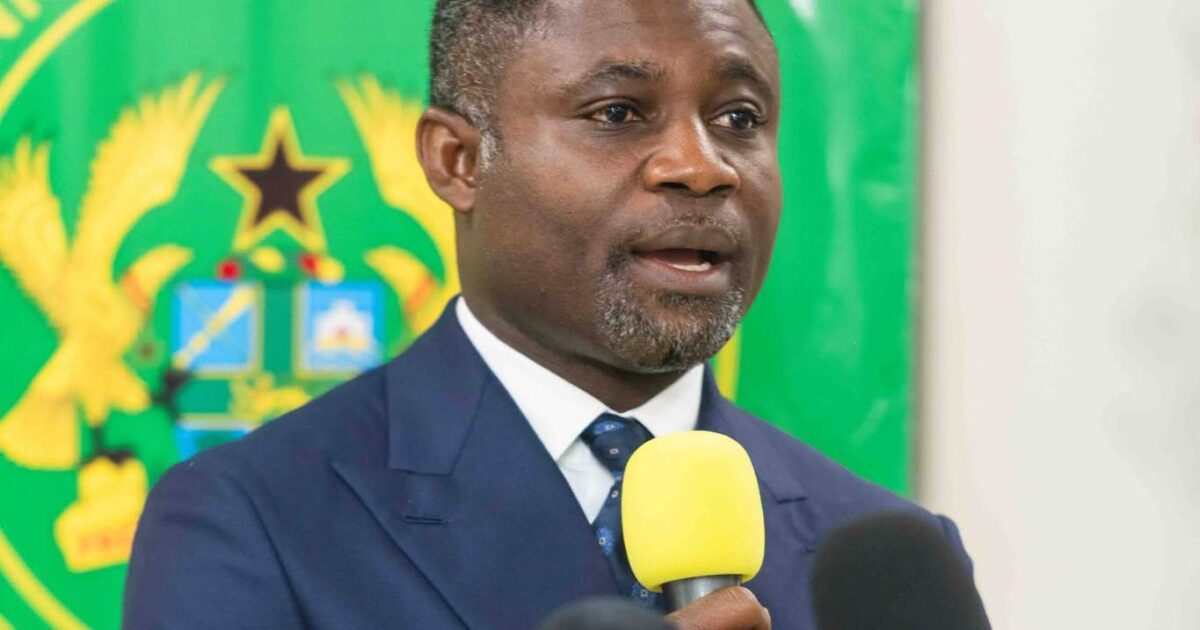
Ghana Health Minister: Free Primary Healthcare Warning Issued Over Charges
Summary
- Ghana's Health Minister, Kwabena Mintah Akandoh, has warned health workers against charging for services covered by the Free Primary Healthcare program.
- Health workers found demanding illegal payments will face investigation and potential sanctions, including suspension.
- The program is available in 135 districts, does not require an active NHIS card, and complements but does not replace the NHIS.
- Its scope is limited to primary healthcare, focusing on prevention and early detection, not universal hospital care.
- The public is encouraged to report non-compliance via dedicated hotlines, and utilize the program for regular health checks.
Minister Issues Stern Warning
The Minister made it clear that any health worker found to be demanding payments from beneficiaries for covered services would face thorough investigation.
Ghana's Minister for Health, Kwabena Mintah Akandoh, has issued a strong warning to healthcare professionals across the nation, cautioning them against levying charges for services that fall under the government's newly launched Free Primary Healthcare program. Speaking at a press conference marking the initiative's commencement on September 8, 2026, Mr. Akandoh emphasized that no Ghanaian should be required to pay for any service included within this specific healthcare package. This directive aims to ensure full compliance with the program's objectives, directly addressing the Ghana Health Minister Free Primary Healthcare warning.
The Minister made it clear that any health worker found to be demanding payments from beneficiaries for covered services would face thorough investigation. He underscored the potential for severe repercussions, stating that such non-compliance could lead to sanctions, including suspension, for those found in violation. This highlights the serious nature of Ghana primary healthcare payment sanctions.
To bolster oversight and accountability, Mr. Akandoh urged the public to actively report any instances of illegal payments, assuring citizens that all such complaints would be rigorously investigated to uphold the integrity of the Ghana Free Primary Healthcare program. This public engagement is crucial for enforcing the Kwabena Mintah Akandoh payment directive and preventing unauthorized charges.
Understanding the Free Primary Healthcare Initiative
The Free Primary Healthcare program is currently operational in 135 districts across Ghana, offering accessible services without the prerequisite of an active National Health Insurance Scheme (NHIS) card. Residents in these designated areas can simply visit participating CHPS compounds, health centres, or polyclinics to register and receive the appropriate primary healthcare services. This broad accessibility is a cornerstone of the initiative, designed to remove barriers to essential care.
Crucially, the Minister clarified that this new program is intended to complement the existing NHIS rather than replace it. While the Free Primary Healthcare initiative focuses on primary-level care, the NHIS will continue its vital role in covering referrals and specialized treatments provided at higher-level health facilities. This distinction is key to understanding the Ghana NHIS Free Primary Healthcare scope.
Mr. Akandoh stressed that the program's scope is specifically limited to primary healthcare services and should not be mistaken for a universal free hospital care system. This clarification helps manage public expectations and defines the boundaries of the Ghana Free Primary Healthcare program compliance requirements for providers.
Broader Healthcare Goals and Compliance Imperatives
This Free Primary Healthcare initiative represents a significant component of the government's wider strategy to reorient Ghana's healthcare system. The focus is shifting from a reactive model, primarily treating severe illnesses, towards a proactive approach centered on prevention, early detection, and community-based care. This strategic pivot aims to improve public health outcomes by intervening earlier in the disease progression.
In light of these objectives, compliance from healthcare providers is paramount. The Ghana primary healthcare payment sanctions serve as a critical enforcement mechanism to ensure that the program's benefits reach all eligible citizens without financial barriers. The Ghana health worker charging warning is a direct outcome of this commitment to accessible care.
Mr. Akandoh encouraged residents in the participating districts to fully utilize the program by engaging in regular health checks and screenings for various illnesses. Furthermore, dedicated hotlines have been established to allow the public to report any concerns or non-compliance regarding the Ghana Free Primary Healthcare program, reinforcing the commitment to transparency and accountability.
Practical Implications
Healthcare providers and compliance officers in Ghana must immediately review their billing practices and staff training to ensure no charges are levied for services covered under the Free Primary Healthcare program, as non-compliance will lead to investigations and potential sanctions. This also clarifies the program's scope and its interaction with the NHIS, requiring internal communication to avoid legal exposure.
Source
How does this affect you?
Get an AI analysis of this article grounded in your jurisdictions, practice areas, and any policy documents you've uploaded to Wansom.
Finish Reading the Full Story and the Expert Analysis.
Wansom is AI and can make mistakes.