
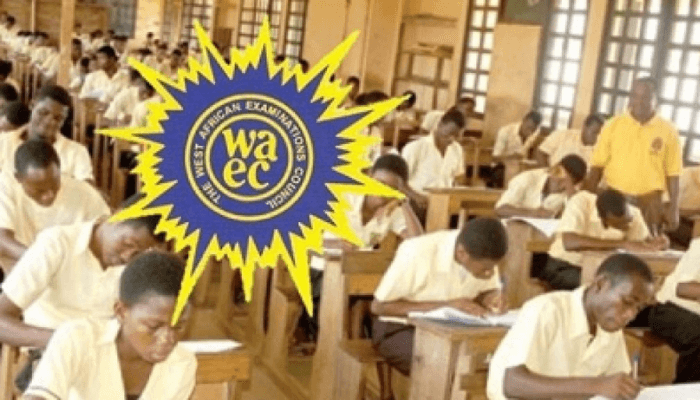
WAEC Cancels 2026 WASSCE Ghana Results for 8,295 Candidates
Summary
- The West African Examinations Council (WAEC) cancelled the results of 8,295 candidates from the 2026 WASSCE.
- These cancellations followed investigations into various examination irregularities.
- Subject results for 7,434 candidates were nullified specifically for bringing foreign materials, such as notes and textbooks, into examination halls.
- The decision impacts students' academic futures and highlights WAEC's commitment to examination integrity.
- Potential legal challenges are anticipated, focusing on due process and evidentiary standards in WAEC's disciplinary actions.
Significant Examination Irregularities Lead to Mass Cancellations
Lawyers specializing in education or administrative law should anticipate potential appeals from students or parents challenging WAEC's result cancellations, particularly concerning the procedures followed during the investigations and the evidence presented.
The West African Examinations Council (WAEC) has taken decisive action following its investigations into widespread irregularities observed during the 2026 West African Senior School Certificate Examination (WASSCE). A total of 8,295 candidates have had their results, either for specific subjects or their entire examination, nullified as a direct consequence of these findings. This significant measure underscores the Council's commitment to maintaining the integrity of its examination processes.
The majority of these cancellations, affecting 7,434 candidates, stem from instances where individuals were found to have introduced unauthorized materials into examination halls. These foreign materials included prepared notes, textbooks, and various forms of printed material, all prohibited under WAEC's examination regulations. The Council's investigations meticulously identified these breaches, leading to the subsequent disciplinary actions against the implicated students.
This widespread cancellation highlights a persistent challenge in examination administration, where a substantial number of candidates attempt to gain an unfair advantage through illicit means. The scale of the irregularities uncovered in the 2026 WASSCE points to a systemic issue that WAEC is actively addressing through rigorous enforcement and post-examination scrutiny.
Legal and Administrative Implications for Affected Students
The cancellation of examination results by the West African Examinations Council constitutes a severe administrative action with profound consequences for the affected students. WAEC, as the body responsible for conducting public examinations, possesses the authority to enforce strict rules to ensure fairness and prevent examination malpractice in Ghana. These disciplinary measures are typically outlined in the Council's regulations, which candidates are expected to adhere to during the examination process.
For the 8,295 candidates whose results have been nullified, this decision effectively invalidates their performance in the 2026 WASSCE. This outcome can significantly impede their academic progression, including university admissions or other post-secondary opportunities. Lawyers specializing in education or administrative law should anticipate potential appeals from students or parents challenging WAEC's result cancellations, particularly concerning the procedures followed during the investigations and the evidence presented.
This development underscores the critical need for understanding WAEC's disciplinary procedures and the legal avenues available for contesting findings of examination irregularities. Any challenge would likely focus on ensuring due process was observed, including adequate notice of allegations, an opportunity to be heard, and the evidentiary standards applied by the Council in reaching its conclusions. The legal framework surrounding such administrative decisions often provides mechanisms for review, emphasizing the importance of fair and transparent processes.
Upholding Examination Integrity and Future Challenges
The mass cancellation of results for the 2026 WASSCE sends a clear message regarding WAEC's stance on examination irregularities and its efforts to combat WAEC exam malpractice in Ghana. By taking such stringent measures, the Council aims to safeguard the credibility of its certificates and ensure that only deserving candidates are awarded qualifications based on their genuine academic merit. This action is crucial for maintaining public trust in the national examination system.
However, the sheer number of affected candidates also points to ongoing challenges in preventing such malpractices. It raises questions about the effectiveness of pre-examination warnings and invigilation protocols. The long-term impact on the educational landscape in Ghana, particularly concerning student disciplinary action, will be closely watched, as these cancellations could serve as a deterrent for future examination cohorts.
Ultimately, the integrity of the West African Examinations Council's assessments is paramount for the educational and professional development of students across the region. While the current cancellations address past infractions, they also highlight the continuous need for robust measures, transparent processes, and clear communication to prevent future examination irregularities and ensure that all students compete on a level playing field.
Practical Implications
Lawyers specializing in education or administrative law should anticipate potential appeals from students or parents challenging WAEC's result cancellations. This development underscores the need to understand WAEC's disciplinary procedures and the legal avenues available for contesting findings of examination irregularities, focusing on due process and evidentiary standards.
Source
Source: Original reporting via {source}
How does this affect you?
Get an AI analysis of this article grounded in your jurisdictions, practice areas, and any policy documents you've uploaded to Wansom.
Finish Reading the Full Story and the Expert Analysis.
Wansom is AI and can make mistakes.