
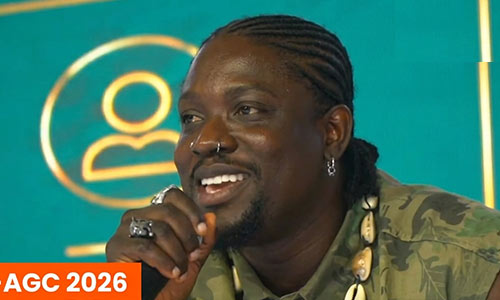
VeryDarkMan: Refuses Police Evidence in Nigeria Kidnapping Probe
Summary
- Social media activist Martins Otse, known as VeryDarkMan, has declined to provide evidence to the Nigeria Police Force.
- The evidence pertains to his allegations that some security personnel assist kidnapping and banditry in Nigeria.
- Otse stated he is prepared to honor the police invitation but will only tender his evidence in court if formally charged.
- His response was issued on Thursday following an invitation from the Nigeria Police Force.
Activist Declines Police Evidence Request
His insistence on tendering evidence only in court, should a formal charge be brought, suggests a deliberate legal strategy.
Social media activist Martins Otse, widely recognized by his online moniker VeryDarkMan, has publicly declared his refusal to provide evidence to the Nigeria Police Force concerning serious allegations he has made. Otse had previously claimed that certain security personnel are complicit in aiding kidnapping and banditry operations across Nigeria. Following these assertions, the Nigeria Police Force extended an invitation to him.
Responding to this police invitation on Thursday, Otse articulated a clear position: while he is prepared to honor the police's request for his presence, he will not submit the corroborating evidence to them at this stage. Instead, he stated that should the authorities proceed to charge him to court, he would then present his evidence during the judicial proceedings. This stance sets up a direct challenge regarding the timing and forum for evidence disclosure in a high-profile public matter.
Legal Context of Evidence Disclosure
The activist's decision to withhold evidence from the police during the investigative phase, opting instead to present it in court if formally charged, highlights a critical aspect of Nigerian criminal procedure. In Nigeria, the police are typically responsible for gathering evidence during their investigation to establish a prima facie case before charges are filed. Citizens are generally expected to cooperate with law enforcement inquiries, including providing relevant information or evidence.
However, Otse's position introduces a public debate about the scope of police investigative powers versus an individual's rights and strategic choices in legal matters. His insistence on tendering evidence only in court, should a formal charge be brought, suggests a deliberate legal strategy. This approach could be seen as an attempt to ensure that his evidence is presented within the structured environment of a judicial process, rather than during an initial police inquiry where the parameters for its use might be perceived differently. The refusal to submit evidence Nigeria, particularly in a case involving allegations against security personnel, underscores the complexities inherent in such investigations.
Broader Implications and Public Scrutiny
The public declaration by VeryDarkMan regarding his refusal to submit evidence to the Nigeria Police Force carries significant implications for public discourse and the relationship between citizens and law enforcement. As a prominent social media activist, Martins Otse's actions are under considerable scrutiny, particularly given the gravity of his VeryDarkMan kidnapping allegations concerning security personnel aiding kidnapping and banditry. His challenge to the police's request for evidence before formal charges could influence public perception regarding cooperation with investigative bodies.
This situation serves as a high-profile example of a citizen asserting a particular approach to evidence disclosure in the face of a police invitation. It raises questions about the balance between the need for thorough police investigations and an individual's right to control the timing and manner of presenting potentially sensitive information. The outcome of this standoff, whether it leads to charges and a court appearance where Otse presents his evidence, or a different resolution, will undoubtedly be watched closely by legal observers and the public alike, potentially shaping future interactions between activists and the authorities in Nigeria. The police invitation social media activist Nigeria has received exemplifies the evolving dynamics of accountability and transparency in the digital age.
Practical Implications
This case provides a public example of a citizen challenging police demands for evidence prior to formal charges, raising questions about the scope of police investigative powers versus individual rights in Nigeria. Lawyers should monitor how this situation develops as it could set a precedent or influence public perception regarding cooperation with law enforcement and the timing of evidence disclosure.
Source
How does this affect you?
Get an AI analysis of this article grounded in your jurisdictions, practice areas, and any policy documents you've uploaded to Wansom.
Finish this article free. Just your email for instant unlock.
Wansom is AI and can make mistakes.