
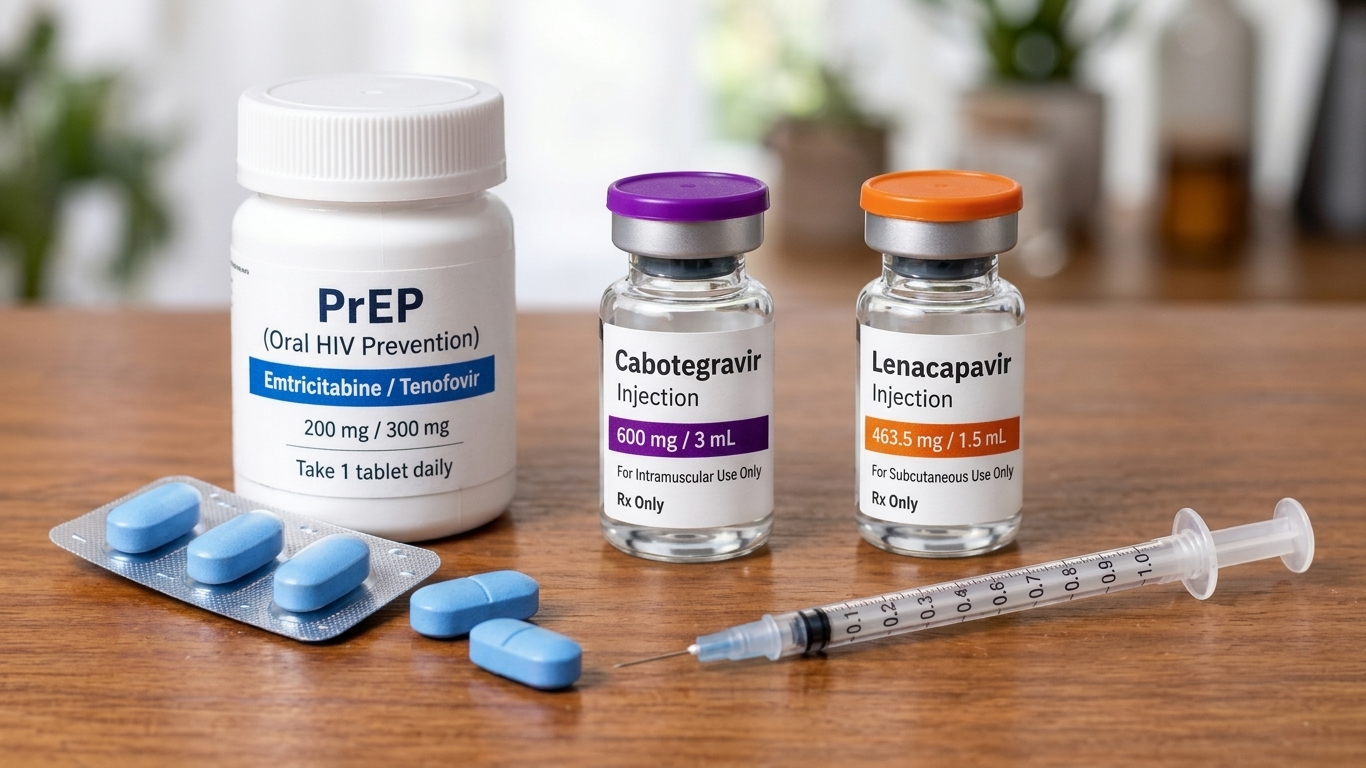
UZ Warns Students Selling PrEP Campus, Emergency Contraceptives
Summary
- The University of Zimbabwe (UZ) has issued a warning to students against selling emergency contraceptives and PrEP on campus.
- The warning follows a rise in reports of students distributing these medications within university premises.
- Chairman and Senior Lecturer Tawanda Zinyama confirmed the university's awareness of these unauthorized sales.
- The morning-after pill is an emergency contraceptive used to prevent pregnancy after unprotected sex or contraceptive failure.
- The university's action highlights concerns over unregulated pharmaceutical distribution and potential health risks to students.
Campus Warning Issued
For legal counsel advising educational institutions, this scenario underscores the necessity of thoroughly reviewing and strengthening internal policies related to student behavior and the handling of medical supplies.
The University of Zimbabwe (UZ) has recently issued a stern warning to its student body regarding the unauthorized sale and distribution of specific pharmaceutical products on campus. This directive comes in response to an increasing number of reports indicating that students are actively involved in selling emergency contraceptives and pre-exposure prophylaxis (PrEP) within university premises.
The official notice, which was reviewed by NewsDay, explicitly states the university's awareness of these activities. The administration is concerned about the implications of such unregulated transactions, particularly concerning the health and safety of its students. The warning underscores the institution's commitment to maintaining a safe and regulated environment for all members of its community.
Official University Stance
Tawanda Zinyama, the Chairman and Senior Lecturer of Public Administration and Policy in the Department of Governance and Public Management at the University of Zimbabwe, was the signatory on the notice, confirming the university's official position on the matter. The communication made it clear that the university has gathered sufficient information to confirm that some students are indeed engaged in both the sale and distribution of these medications on campus grounds. This direct acknowledgment from a senior university official highlights the seriousness with which the institution views these activities.
The university's proactive measure aims to curb the illicit trade of pharmaceuticals and ensure that students do not engage in practices that could have legal or health repercussions. The warning serves as a reminder of the regulations governing student conduct and the distribution of medical supplies within an educational setting, emphasizing that such activities are strictly prohibited without proper authorization and oversight.
Understanding the Medications Involved
Among the medications specifically cited in the UZ warning is the morning-after pill, which functions as an emergency contraceptive. This particular medication is designed to be taken after instances of unprotected sexual intercourse or when other contraceptive methods have failed, with the primary goal of preventing pregnancy. Its availability and distribution are typically subject to strict medical and pharmaceutical regulations due to its sensitive nature and potential health implications if misused.
Pre-exposure prophylaxis, commonly known as PrEP, is the other medication mentioned in the university's notice. While the notice did not elaborate on its specific use, its inclusion alongside emergency contraceptives suggests a broader concern from the university regarding the unregulated sale of critical health-related pharmaceuticals. The unauthorized distribution of such medications raises significant questions about their origin, storage, efficacy, and the potential for adverse health outcomes among students who might acquire them through unofficial channels.
Broader Implications for Institutions
The situation at the University of Zimbabwe highlights a critical challenge faced by educational institutions globally: managing the unauthorized distribution of pharmaceuticals on campus. This issue extends beyond mere student conduct, touching upon complex regulatory and liability concerns. The sale of medications by untrained individuals, without proper medical oversight or pharmaceutical licensing, poses substantial health risks to the student population, including incorrect dosages, expired products, or adverse drug interactions.
For legal counsel advising educational institutions, this scenario underscores the necessity of thoroughly reviewing and strengthening internal policies related to student behavior and the handling of medical supplies. Establishing clear guidelines and robust enforcement mechanisms is crucial to mitigate potential regulatory penalties and liability risks that could arise from incidents involving unauthorized medication sales. The University of Zimbabwe's warning serves as a pertinent example for other institutions to proactively address similar vulnerabilities within their own environments.
Practical Implications
Legal counsel for educational institutions should review internal policies regarding student conduct and the unauthorized distribution of pharmaceuticals on campus to mitigate regulatory and liability risks.
Source
Source: Original reporting via NewsDay
How does this affect you?
Get an AI analysis of this article grounded in your jurisdictions, practice areas, and any policy documents you've uploaded to Wansom.
Finish Reading the Full Story and the Expert Analysis.
Get the latest legal & regulatory intelligence in Zimbabwe
Wansom is AI and can make mistakes.