
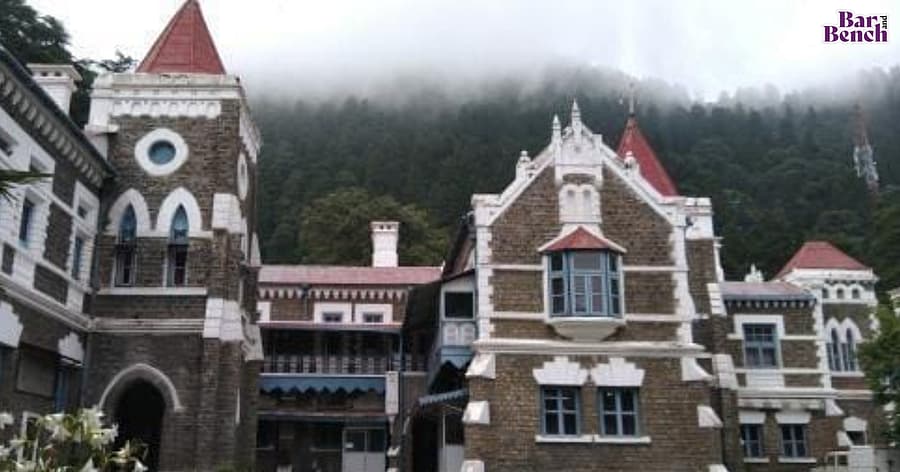
Uttarakhand High Court: YouTube Writ Petition Rejected for Suspended Account
Summary
- The Uttarakhand High Court rejected a YouTuber's writ petition to restore her suspended account due to alleged copyright infringement.
- The court ruled that Article 226 cannot be invoked for settling contractual disputes or claims arising out of contracts.
- Content creators seeking to restore suspended accounts must explore alternative remedies, rather than relying on a writ petition.
- This decision sets a precedent for future cases and highlights the need for careful consideration when navigating public law remedies in contractual disputes.
Uttarakhand High Court Rejects YouTuber's Writ Petition
The Uttarakhand High Court has dealt a blow to content creators seeking to restore suspended YouTube accounts. On Tuesday, the court declined to entertain a writ petition filed by Swati Alias Smriti Negi, challenging the suspension of her account due to alleged copyright infringement.
Negi's counsel argued that her account was deleted without notice or opportunity for hearing, resulting in three copyright strikes. However, the court ruled that the relief sought by Negi cannot be granted in a writ petition.
Legal Context: Article 226 and Contractual Disputes
The court's decision is rooted in its interpretation of Article 226, which provides for public law remedies. Justice Manoj Kumar Tiwari clarified that the remedy under Article 226 cannot be invoked for settling contractual disputes or claims arising out of contracts. This means that content creators seeking to restore suspended accounts must explore alternative remedies, rather than relying on a writ petition.
The court's ruling has significant implications for content creators and lawyers alike. It underscores the importance of understanding the limitations of public law remedies in resolving contractual disputes.
Why This Decision Matters
This decision may have far-reaching consequences for content creators seeking to restore suspended accounts on YouTube. The court's clarification on the use of writ petitions for contractual disputes sets a precedent that could impact future cases. Lawyers and compliance officers should take note, as this ruling highlights the need for careful consideration when navigating public law remedies in contractual disputes.
Practical Implications
Lawyers and compliance officers should note that the Uttarakhand High Court has clarified that a writ petition is not an appropriate remedy for resolving contractual disputes or claims arising out of contracts, such as copyright infringement on YouTube. This decision may have implications for content creators seeking to restore suspended accounts.
Source
How does this affect your business?
Get an AI analysis of this article grounded in your jurisdictions, practice areas, and any policy documents you've uploaded to Wansom.
Wansom is AI and can make mistakes.