
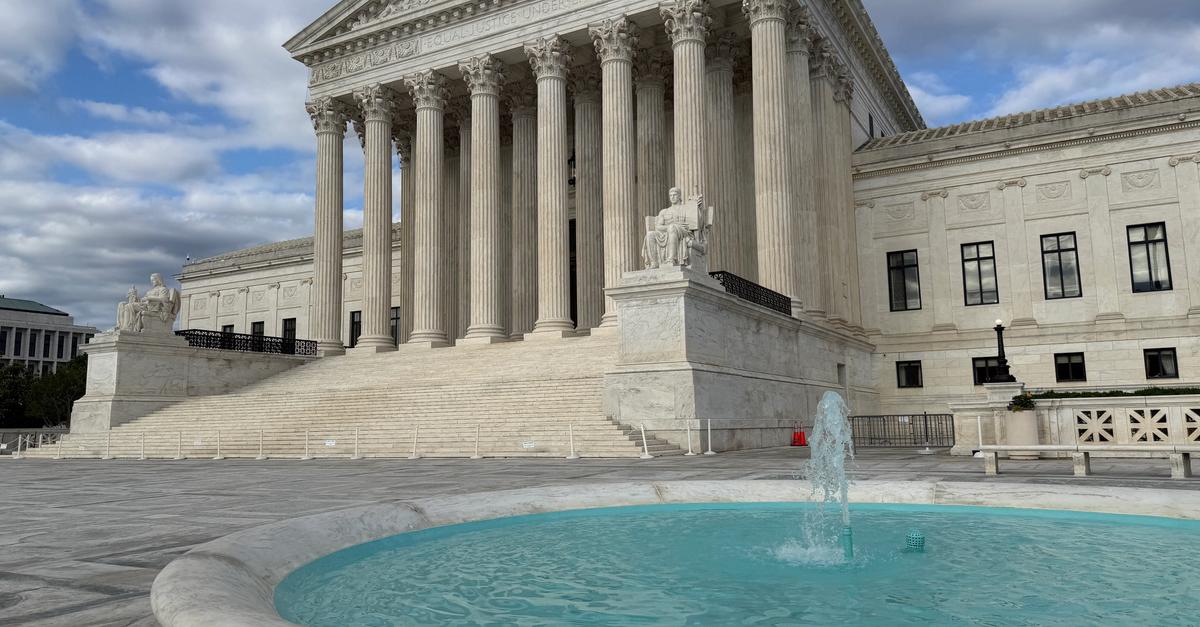
US Supreme Court: Proposal for Oral Arguments Outside Washington D.C.
Summary
- The US Supreme Court has held oral arguments in various locations over the years, including Washington D.C..
- The court's current setup in Washington D.C. has limited accessibility, even with a lottery system for seats.
- High-profile cases often attract large crowds, resulting in long wait times and sometimes inclement weather.
- The proposal for the Supreme Court to hold oral arguments outside of Washington D.C. may impact lawyers' ability to attend or observe proceedings.
What Happened
Currently, the only way to see all of the justices in action is by attending oral argument in Washington D.C.
The US Supreme Court's oral arguments have been held in various locations over the years, following Congress from New York to Philadelphia and eventually settling at One First Street N.E. in Washington D.C.. However, there was a brief exception during the anthrax scare of 2001 when the justices temporarily sat at the U.S. Court of Appeals for the D.C. Circuit.
In recent times, the court has taken steps to make oral arguments more accessible through live-streaming audio, but cameras are still prohibited in the courtroom. The press is only allowed to take group photographs of the justices during special events like a new member joining the court, with strict time limits.
The unique setup for oral arguments in Washington D.C. has led to limited accessibility, even with the introduction of a lottery system for seats. High-profile cases often attract large crowds, resulting in long wait times and sometimes inclement weather.
Legal Context
The proposal to hold the Supreme Court's oral arguments outside of Washington D.C. may have significant implications for lawyers and compliance officers who rely on attending these proceedings to prepare for cases or appeals. The court's current setup, with limited seating and restricted access, can make it challenging for individuals to observe the justices in action.
The court has maintained a tradition of holding oral arguments in Washington D.C., but this discussion may signal a shift towards greater flexibility and accessibility. As the court continues to evolve, it is essential for lawyers and compliance officers to stay informed about any changes that may impact their ability to attend or observe oral arguments.
Why It Matters
The proposal for the Supreme Court to hold oral arguments outside of Washington D.C. has the potential to increase accessibility and transparency in the court's proceedings. By exploring alternative locations, the court may be able to make its work more visible to the public, potentially reducing the mystique surrounding the justices' role.
As the court continues to navigate the complexities of modern times, it is crucial for lawyers and compliance officers to stay informed about any changes that may impact their ability to attend or observe oral arguments. By doing so, they can better prepare for cases and appeals, ultimately ensuring that justice is served.
Practical Implications
Lawyers and compliance officers should be aware that the US Supreme Court's decision to hold oral arguments outside of Washington D.C. may impact their ability to attend or observe these proceedings, potentially affecting their preparation for cases or appeals.
Source
How does this affect you?
Get an AI analysis of this article grounded in your jurisdictions, practice areas, and any policy documents you've uploaded to Wansom.
Wansom is AI and can make mistakes.