
US Supreme Court Denies Trump's Bid to Review E Jean Carroll Defamation Case
Summary
- The Supreme Court has denied President Trump's bid to review a civil case finding him liable for sexually abusing E. Jean Carroll.
- Trump was forced to pay Carroll $5 million after the high court refused to review his petition in June.
- The decision marks the end of Trump's long-shot attempt to overturn the judgment against him for defaming and sexually abusing Carroll.
What Happened
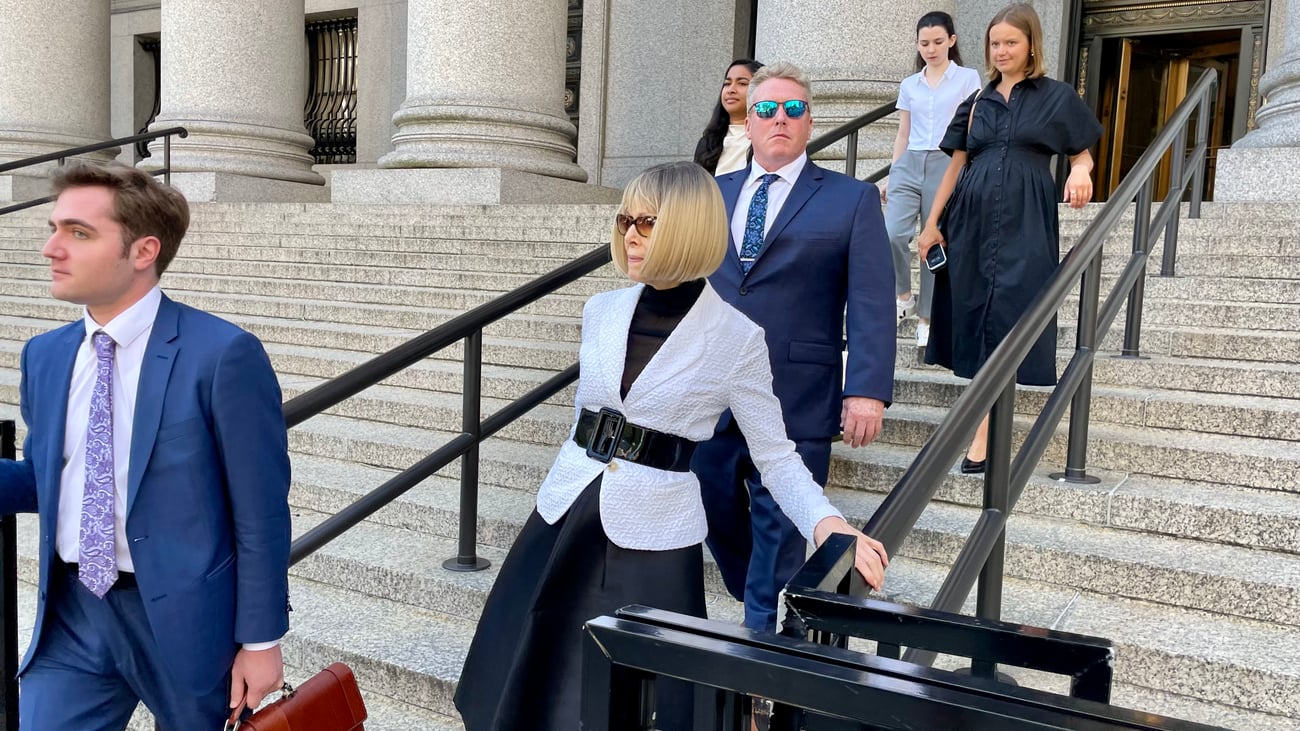
The Supreme Court has denied President Trump's bid to review a civil case finding him liable for sexually abusing magazine columnist E. Jean Carroll in a Manhattan department store dressing room in the mid-1990s.
The Supreme Court has denied President Trump's bid to review a civil case finding him liable for sexually abusing magazine columnist E. Jean Carroll in a Manhattan department store dressing room in the mid-1990s. The court's decision marks the end of Trump's long-shot attempt to overturn a $5 million judgment against him for defaming and sexually abusing Carroll. In June, the Supreme Court had already denied Trump's petition on similar grounds, but he asked the justices to reconsider based on another case against Carroll that is still pending before the court.
Legal Context
The case has significant implications for presidential immunity and sexual assault allegations. Trump argued that several evidentiary rulings at trial should invalidate the $5 million judgment against him, citing immunity protections for statements made while in office. However, the Supreme Court's decision suggests that such claims may not be protected by immunity. The court's custom is to reject rehearing requests without explanation, and there were no noted dissents in this case.
Why It Matters
The denial of Trump's bid to review the case has important implications for future cases involving presidential immunity and sexual assault allegations. The Supreme Court's decision suggests that individuals who make false or defamatory statements while in office may not be protected by immunity protections. This ruling could have significant consequences for jurisdictions where such claims are subject to similar evidentiary challenges.
Practical Implications
Lawyers should watch for the implications of this denial on future cases involving presidential immunity and sexual assault allegations, particularly in jurisdictions where such claims may be subject to similar evidentiary challenges.
Source
How does this affect you?
Get an AI analysis of this article grounded in your jurisdictions, practice areas, and any policy documents you've uploaded to Wansom.
Wansom is AI and can make mistakes.