
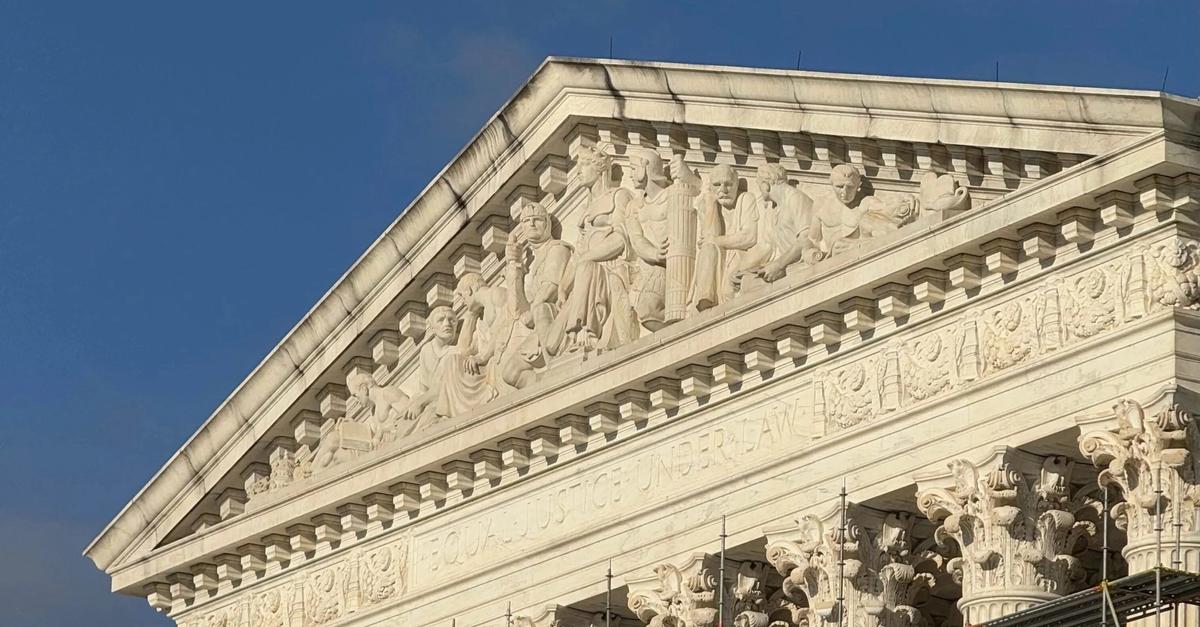
US Supreme Court Blocks Trump's Birthright Citizenship Executive Order
Summary
- The Supreme Court will hear arguments on President Trump's executive order on mail-in voting from November 2-10.
- Justice Samuel Alito will return to the bench for the 2026-27 term, sparking renewed interest in the court's upcoming decisions.
- President Trump has introduced a new executive order aimed at limiting birthright citizenship, despite the Supreme Court's recent ruling on the issue.
The Supreme Court's Calendar
The court's decision limits the use of universal injunctions, which apply a ruling to all people or companies affected, not just specific litigants.
The Supreme Court has released its calendar for the November argument session, which will take place from Monday, Nov. 2, to Tuesday, Nov. 10. This marks a significant development in several ongoing cases, including President Donald Trump's executive order on mail-in voting. The court's ruling on this matter could have far-reaching implications for election policies across the country. Meanwhile, Justice Samuel Alito will be returning to the bench for the 2026-27 term, sparking renewed interest in the court's upcoming decisions.
The Birthright Citizenship Battle
President Trump has introduced a new executive order aimed at limiting birthright citizenship. This move comes despite the Supreme Court's recent ruling on the issue, which was widely seen as a rebuke to the president's earlier efforts. The court's decision has sparked a renewed debate over the scope of its authority and the limits of presidential power. As the case continues to unfold, lawyers are closely watching for potential compliance exposure, particularly in companies' policies and procedures related to employee eligibility.
The Role of Universal Injunctions
The Supreme Court's recent ruling on universal injunctions has significant implications for the administration's efforts to limit birthright citizenship. The court's decision limits the use of universal injunctions, which apply a ruling to all people or companies affected, not just specific litigants. This development has sparked concerns among experts that the administration may be pushing the limits of the court's rulings. In response, the government has filed an opening brief with the Federal Circuit, asserting that the lower court's decision was in error.
Practical Implications
Lawyers should watch for potential compliance exposure as the Supreme Court considers Trump's executive order on birthright citizenship, which could impact companies' policies and procedures related to employee eligibility.
Source
How does this affect you?
Get an AI analysis of this article grounded in your jurisdictions, practice areas, and any policy documents you've uploaded to Wansom.
Wansom is AI and can make mistakes.