
US Proposes Expanding Darfur Arms Embargo to All of Sudan
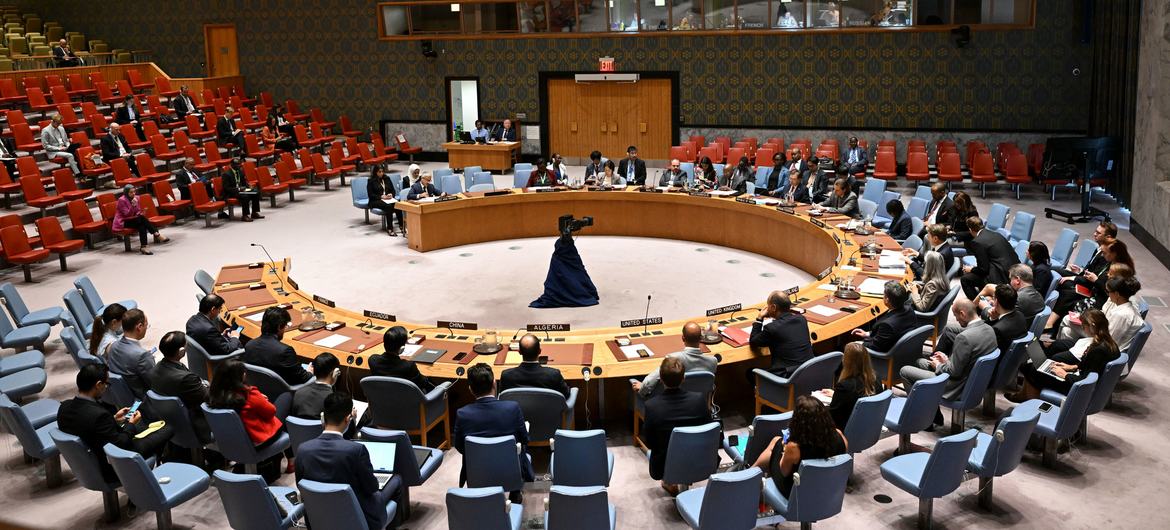
The USA has proposed expanding the arms embargo currently imposed on Sudan’s Darfur region to cover the entire country, including drones and related technologies, during a UN Security Council session on Monday, as reported by Radio Dabanga.
This proposed expansion carries significant legal implications for international trade, defence, and technology sectors, particularly for entities operating or seeking to operate in or with Sudan. If approved by the UN Security Council, the broadened embargo would drastically increase the compliance burden for businesses and individuals globally, extending the prohibition on supplying weapons and related materiel from a regional restriction to a nationwide ban. The explicit inclusion of drones, their components, and related technologies reflects a recognition of modern warfare's evolving nature and aims to close potential loopholes in existing sanctions regimes. This move underscores the international community's heightened concern over the ongoing conflict in Sudan and its devastating humanitarian impact, signalling a potential shift towards more stringent enforcement mechanisms to stem the flow of arms. The proposal also highlights the UN's intent to enhance its monitoring capabilities through a strengthened Panel of Experts, which would lead to more robust investigations and reporting on sanctions violations.
The legal context for this development is rooted in the existing UN Security Council Resolution 1591 (2005), which established the current sanctions regime, including an arms embargo, specifically for Darfur. The UN Security Council, acting under Chapter VII of the UN Charter, possesses the authority to impose binding sanctions on member states to maintain or restore international peace and security. The proposed expansion would necessitate a new Security Council resolution or an amendment to Resolution 1591, requiring the affirmative votes of at least nine members and no veto from any of the five permanent members. The Panel of Experts, established under Resolution 1591, plays a crucial role in monitoring compliance with the sanctions, investigating violations, and providing information to the Security Council. The US proposal to increase the number of experts and enhance cooperation with other UN sanctions teams aims to bolster the effectiveness of this monitoring and enforcement mechanism, particularly concerning asset freezes, travel bans, and the arms embargo.
Key parties involved in this development include the USA, represented by Massad Boulos, who formally presented the proposal to the UN Security Council. The UN Security Council itself is the central decision-making body whose approval is required for the expansion to become legally binding. Sudan is the primary country affected by these proposed sanctions, with the aim of influencing the warring parties within its borders. The existing legal framework is defined by UN Security Council Resolution 1591 (2005), and the Panel of Experts established thereunder is the critical body responsible for monitoring and reporting on sanctions compliance. The excerpt also notes the involvement of more than 12 countries reportedly providing military support, indicating a broader international dimension to the conflict and the proposed sanctions.
Practitioners, particularly those advising clients in international trade, defence, technology, finance, and logistics, must closely monitor the deliberations and potential vote within the UN Security Council regarding this draft resolution. Should the expansion be approved, businesses with any direct or indirect dealings with Sudan will need to immediately review and significantly update their sanctions compliance frameworks, due diligence processes, and risk assessments. This includes scrutinizing supply chains for any potential links to military end-users or dual-use technologies, especially those related to drones, across the entire Sudanese territory. Attorneys should advise clients on the increased risk of enforcement actions and reputational damage associated with sanctions violations, emphasizing the need for robust internal controls and continuous monitoring of UN sanctions lists and guidance. The outcome of this specific proposal is not yet reported, but its potential impact on global compliance obligations is substantial.
How does this affect you?
Get an AI analysis of this article grounded in your jurisdictions, practice areas, and any policy documents you've uploaded to Wansom.
Wansom is AI and can make mistakes.