
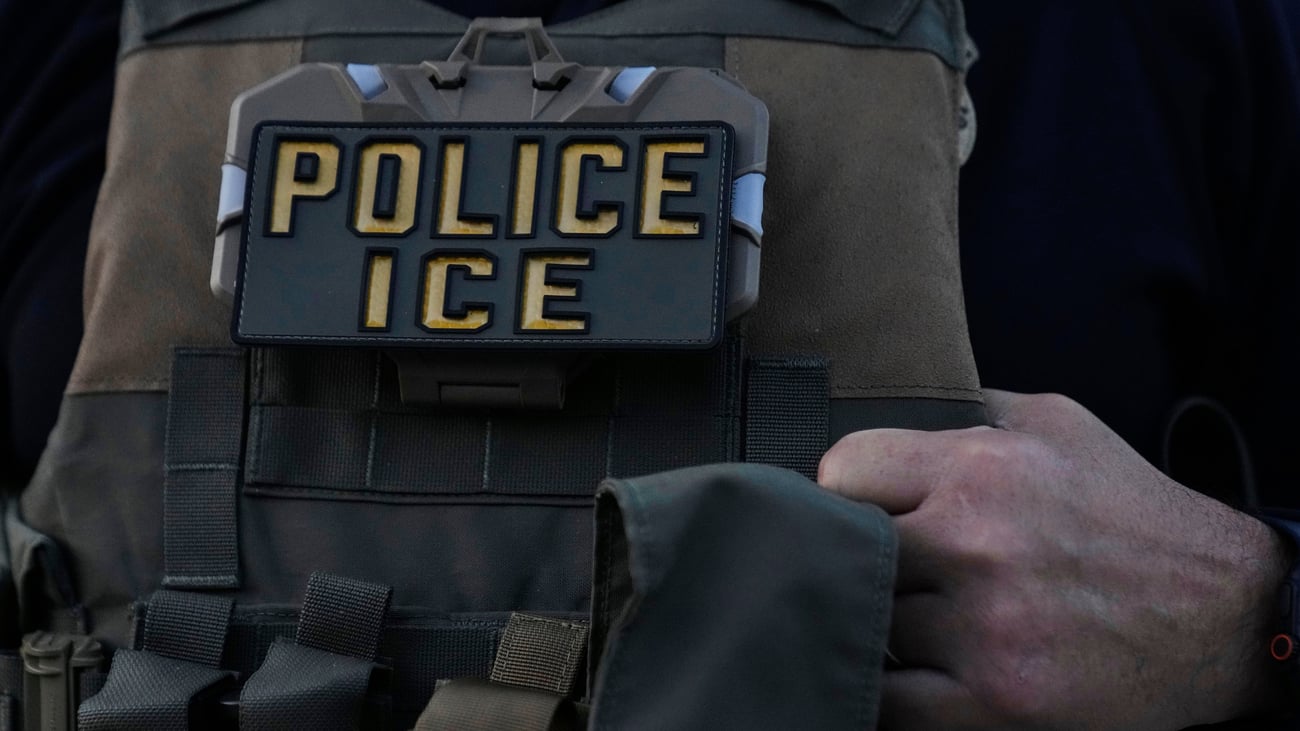
US ICE DNA Database Raises Constitutional Concerns Over Mass Sampling
Summary
- ICE agents have collected hundreds of thousands of DNA samples from detainees, with over 900,000 people affected last year alone.
- The genetic records are entered into the Combined DNA Index System (CODIS), a federal criminal database containing profiles contributed by federal, state, and local law enforcement.
- Most individuals detained by ICE have not committed any serious offense, raising constitutional questions about the mass DNA sampling of immigration detainees.
What Happened
The issue here is that most of these individuals did not commit any kind of serious offense,
U.S. Immigration and Customs Enforcement (ICE) agents have collected hundreds of thousands of DNA samples from detainees, with the number skyrocketing under the Trump administration. According to a report by the Georgetown University Law School's Center on Privacy and Technology, ICE agents captured the DNA of as many as 900,000 people last year alone. These genetic records are entered into the Combined DNA Index System (CODIS), a federal criminal database run by the FBI that contains profiles contributed by federal, state, and local law enforcement. As of December, over 3 million entries in CODIS were indexed as 'detainee' profiles, with many of these individuals being charged with civil offenses rather than serious crimes.
Legal Context
The use of DNA sampling on immigration detainees raises significant constitutional questions, particularly with respect to the Fourth Amendment's prohibition on unreasonable search and seizure. While existing judicial precedent allows police to collect genetic samples from suspects with probable cause that they committed a serious crime (as established in Maryland v. King), this guideline does not apply to immigration enforcement. In fact, most individuals detained by ICE have not committed any serious offense, and there is no court case authorizing the mass DNA sampling of immigration detainees. This lack of clear legal guidance has experts warning of a 'genetic panopticon' that could broaden government surveillance powers.
Why It Matters
The development raises significant concerns for lawyers and compliance officers, particularly with respect to the Fourth Amendment's prohibition on unreasonable search and seizure. The collection of genetic information from immigration detainees without probable cause or a court-authorized warrant could set a precedent for expanded government surveillance powers. Furthermore, the inclusion of children as young as four years old and elderly individuals in the DNA database raises questions about the potential misuse of this technology. As such, it is essential for lawyers to be aware of the potential implications for their clients and advise them accordingly.
Practical Implications
This development raises significant constitutional questions for lawyers and compliance officers, particularly with respect to the Fourth Amendment's prohibition on unreasonable search and seizure. Lawyers should be aware of the potential implications for their clients and advise them accordingly.
Source
How does this affect you?
Get an AI analysis of this article grounded in your jurisdictions, practice areas, and any policy documents you've uploaded to Wansom.
Wansom is AI and can make mistakes.