
US Federal Judge Blocks SNAP Penalties; Unlawful Rule
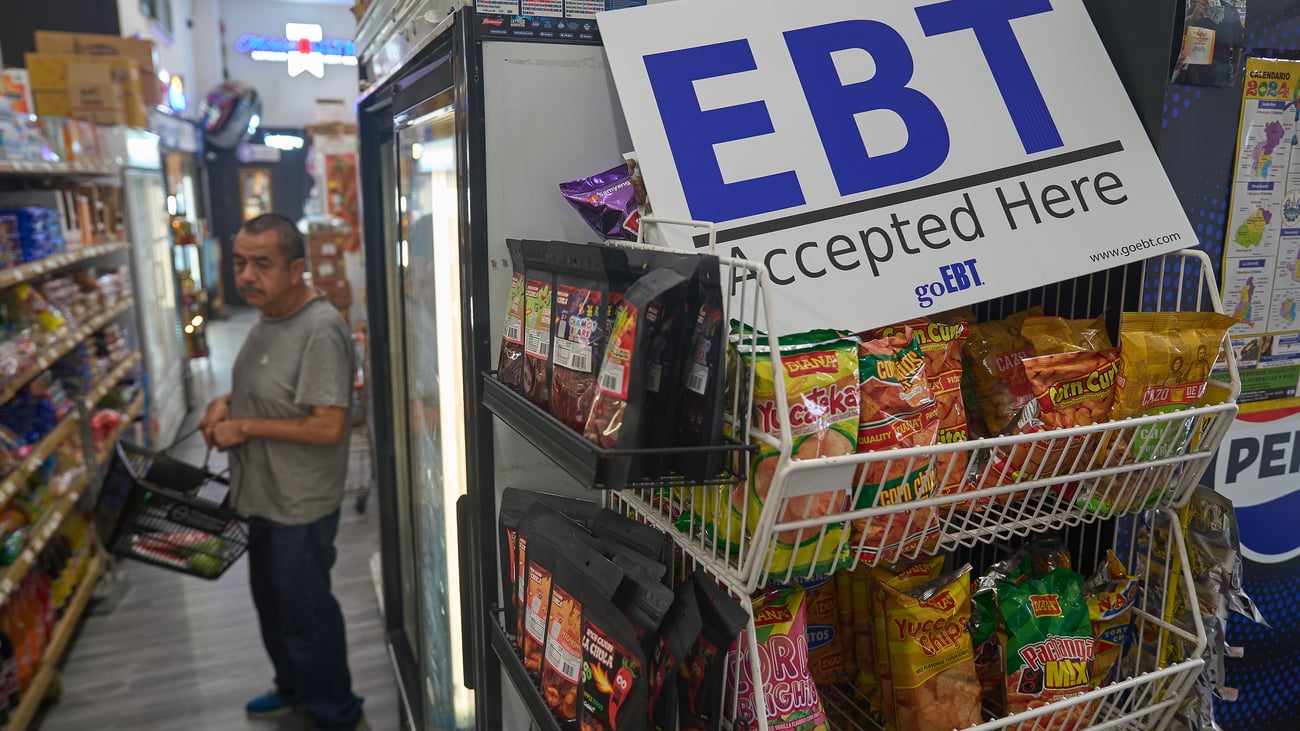
A federal judge ruled that the Trump administration unlawfully began a 120-day countdown for states to implement new SNAP rules before issuing guidance on how the changes should be carried out. A banner reads: "EBT (Electronic Benefit Transfer) Accepted Here," at El Recuerdo Market in Los Angeles, Oct. 31, 2025, after two federal judges ordered President Donald Trump's administration to continue funding SNAP during the government shutdown. (AP Photo/Damian Dovarganes, file) (CN) — State officials spent months waiting for guidance on how to implement changes to the nation’s food stamp program. When the guidance finally arrived, the federal government said the countdown for complying with the new rules had started almost four months earlier. That timeline, a federal judge ruled Thursday, was illegal. U.S. District Judge Mustafa Kasubhai sided with 22 states and the District of Columbia in a lawsuit over how the Trump administration rolled out changes to the Supplemental Nutrition Assistance Program, or SNAP. “Defendants have placed plaintiffs in an impossible situation to timely implement H.R. 1’s changes to SNAP though contradictory, absent, and misleading messaging,” Kasubhai wrote. Congress passed the changes July 4, 2025, as part of the “One Big Beautiful Bill Act”. The law narrowed which noncitizens can receive food assistance and created penalties for states with high error rates in determining who gets benefits and how much they receive. Federal rules give states 120 days to make certain changes before errors begin counting against them. The question in the lawsuit was when that period started. The Department of Agriculture said the clock began the day the law took effect. But the agency didn’t announce that interpretation until late August, and it didn’t release its guidance on the new noncitizen rules until Oct. 31, just one day before the 120-day period was set to end. Kasubhai, a Joe Biden appointee in the District of Oregon, held that interpretation unlawful. USDA’s regulations, he said, tie the 120-day exclusionary period to the required implementation date for the changes, not simply to when the law takes effect. He also found that USDA had handled these deadlines differently for years and changed its approach without explaining why. Oregon and Massachusetts said USDA told them to wait for federal guidance before making changes, and then the states faced possible financial penalties for waiting. “Defendants may not mask their conduct with attenuated inferences drawn from H.R. 1’s effective date,” Kasubhai wrote. “The exclusionary period violates the [Administrative Procedure Act].” The financial stakes are huge. North Carolina told the court that if its SNAP error rate stays above 10%, the state could have to pay as much as $420 million a year toward the program by 2028. State officials said that could force North Carolina to end SNAP, which serves about 1.4 million people there. Maryland, meanwhile, reported a 25% increase in calls from people affected by the new rules for noncitizens. A second piece of that guidance, covering which noncitizens qualify, drew its own separate ruling against the government. USDA’s charts left out refugees, people granted asylum, and certain Afghan and Ukrainian parolees from the list of people who can receive benefits after becoming lawful permanent residents. The charts also left those groups off a separate list of people who don’t have to wait five years to receive benefits. The court found they qualify for both exemptions. Kasubhai rejected the government’s argument that the charts were only meant to be a quick, incomplete guide. “Humanitarian Immigrant Groups should be listed as both eligible for SNAP if they are an [lawful permanent resident] and exempt from the five-year waiting period,” Kasubhai wrote. “The Non-Citizen Guidance communicates that they are not and is cont
How does this affect you?
Get an AI analysis of this article grounded in your jurisdictions, practice areas, and any policy documents you've uploaded to Wansom.
Finish Reading the Full Story and the Expert Analysis.
Get the latest legal & regulatory intelligence in United States
Wansom is AI and can make mistakes.